Welcome to UNIQUE!
Top Signs That Your Forklift Battery Needs Replacement
Top Signs That Your Forklift Battery Needs Replacement
In the world of warehouse management and logistics, the efficiency of your forklift is paramount. The forklift battery, a vital component, plays a significant role in ensuring your operations run smoothly. Knowing when to replace this battery can save you time, money, and effort. In this article, we will explore the **top signs that your forkl
2026-05-12
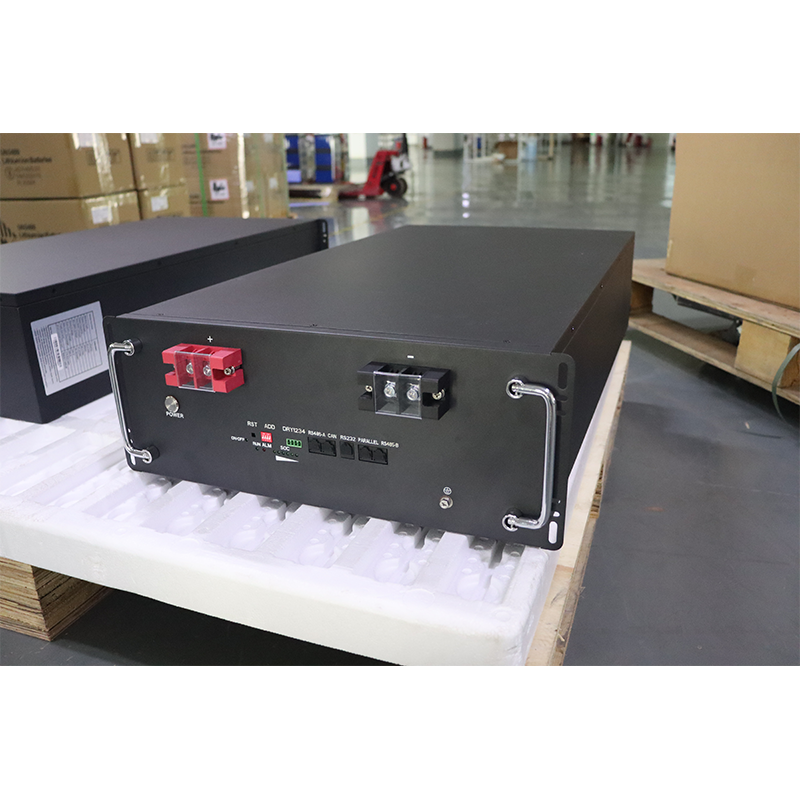
Top Signs That Your Forklift Battery Needs Replacement
In the world of warehouse management and logistics, the efficiency of your forklift is paramount. The forklift battery, a vital component, plays a significant role in ensuring your operations run smoothly. Knowing when to replace this battery can save you time, money, and effort. In this article, we will explore the **top signs that your forklift battery needs replacement**.
The Importance of a Functional Forklift Battery
A forklift battery provides the necessary power to operate your machinery. If it fails, it can lead to significant downtime and potential safety hazards. Regular monitoring of your forklift battery's performance is essential for maintaining productivity and ensuring the safety of your workforce.
Understanding Forklift Battery Types
Before diving into the signs of battery failure, it's important to understand the types of forklift batteries available:
- **Lead-Acid Batteries**: These are the most common type and are often used in electric forklifts. They require regular maintenance and periodic watering.
- **Lithium-Ion Batteries**: These are gaining popularity due to their longer lifespan and reduced maintenance needs. However, they can be more expensive initially.
Knowing the type of battery in your forklift is essential for proper care and monitoring.
Signs That Indicate Your Forklift Battery Needs Replacement
Recognizing the signs that your forklift battery is on its last legs can prevent larger issues in the future. Here are the key indicators to watch for:
1. Reduced Lift Capacity
If you notice that your forklift is struggling to lift its usual loads, it may be a sign that the battery is losing power. A diminished lifting capacity can affect your operations, leading to inefficiencies and increased workloads for your team.
How to Identify Reduced Lift Capacity
Perform regular checks on the lifting capacity. If you notice a consistent struggle with loads that were previously manageable, it's time to consider a battery replacement.
2. Longer Charging Times
A forklift battery that takes significantly longer to charge than it used to might be nearing the end of its life. An increase in charging duration not only affects your operational schedules but also signals that your battery’s efficiency is waning.
Monitoring Charging Times
Keep a log of charging times. If you observe a consistent increase, this is a clear indication that the battery may need replacement.
3. Swelling or Physical Damage
Physical damage such as swelling, cracks, or leaks is a serious concern. A swollen battery can lead to further complications, including potential hazards in the workplace.
Inspecting Your Forklift Battery
Regularly inspect the battery casing for signs of damage. Any visual abnormalities should prompt immediate action, including a professional assessment.
4. Decreased Runtime
One of the most crucial indicators of battery health is the runtime. If your forklift requires more frequent charging during the workday, this is a strong sign that your battery is not holding a charge effectively.
Tracking Battery Runtime
Monitor how long your forklift operates on a single charge. If the runtime drops significantly, it’s time to investigate further.
5. Batteries Over Three Years Old
Generally, the lifespan of a typical forklift battery is around five to seven years. If your battery is approaching or exceeding the three-year mark and showing other signs of wear, it may be time to plan for a replacement.
Assessing Battery Age
Keep a record of when the battery was purchased and installed. If it’s nearing the end of its expected lifespan, consider a proactive replacement to avoid interruptions in operations.
6. Corrosion on Terminals
Corrosion on the battery terminals can lead to poor connections and inefficient power delivery. This issue might not only affect the forklift's performance but can also lead to safety hazards.
Cleaning and Inspecting Terminals
Regularly clean and inspect the terminals for corrosion. If corrosion is persistent, it may indicate deeper issues with the battery health.
7. Unusual Noises or Smells
An operational battery should function quietly. If you hear unusual noises or detect a strong, chemical odor, these could be signs of internal failure or leakage.
What to Do If You Notice These Signs
If you encounter unusual sounds or smells, stop using the forklift immediately and consult a professional for an assessment.
Impact of Delaying Battery Replacement
Neglecting to replace a failing forklift battery can lead to a multitude of problems, including:
- Increased Repair Costs: Continuing to use a failing battery can lead to additional wear and tear on other components, resulting in more costly repairs.
- Downtime: Frequent breakdowns and inefficiencies can disrupt operations, leading to lost productivity and revenue.
- Safety Hazards: A malfunctioning battery poses risks to operators and nearby personnel, making timely replacement crucial.
Best Practices for Forklift Battery Maintenance
To prolong the life of your forklift battery and ensure optimal performance, consider the following maintenance tips:
- **Regular Inspections**: Perform frequent visual checks for signs of damage or wear.
- **Proper Charging Techniques**: Always follow manufacturer guidelines for charging to avoid overcharging or deep discharging.
- **Keep Batteries Clean**: Regularly clean battery terminals and surfaces to prevent corrosion and ensure optimal performance.
- **Monitor Water Levels**: For lead-acid batteries, keep an eye on water levels and refill as necessary to prevent damage.
When to Consult a Professional
If you’re noticing any of the signs discussed above or if your battery is reaching the end of its expected lifespan, it’s wise to seek professional help. Technicians can provide in-depth assessments and recommend the best course of action, whether that involves replacement or repairs.
Choosing the Right Replacement Battery
When it comes to selecting a replacement battery, consider the following factors:
- **Compatibility**: Ensure the new battery is compatible with your forklift model.
- **Maintenance Requirements**: Evaluate whether you want a lead-acid or lithium-ion battery based on your maintenance capacity and costs.
- **Warranty and Lifespan**: Look for batteries with good warranties and proven lifespans to maximize your investment.
FAQs About Forklift Battery Replacement
1. How often should I replace my forklift battery?
Typically, forklift batteries last between five to seven years. However, monitoring performance and signs of wear is crucial for determining the right replacement time.
2. Can I repair my forklift battery instead of replacing it?
In some cases, minor issues can be repaired. However, if the battery shows significant signs of wear, replacement is often the best and safest option.
3. How do I properly maintain my forklift battery?
Regular inspections, proper charging techniques, maintaining water levels, and keeping terminals clean are key maintenance practices.
4. What should I do if my battery starts swelling?
Stop using the forklift immediately and consult a professional. Swelling can indicate serious issues that may pose safety hazards.
5. Are lithium-ion batteries better than lead-acid batteries?
Lithium-ion batteries often have a longer lifespan and require less maintenance compared to lead-acid batteries, making them a popular choice for many businesses.
Conclusion
Understanding the **top signs that your forklift battery needs replacement** is crucial for maintaining operational efficiency and ensuring safety in your workplace. By monitoring battery performance, conducting regular inspections, and being aware of the indicators of failure, you can prevent costly downtime and operational delays. Proactive battery maintenance not only enhances productivity but also extends the lifespan of your equipment. Make informed decisions about battery care and replacement, and keep your forklift operations running smoothly.
Key words:
Related News


Online consultation

Free consultation
All rights reserved©UNIQUE
Business License
Power by:www.300.cn | SEO | Privacy Policy