Welcome to UNIQUE!
The Essential Guide to Understanding RV Deep Cycle Batteries
When it comes to powering your recreational vehicle (RV), understanding the significance of RV deep cycle batteries is essential. Unlike traditional car batteries, which are designed for short bursts of energy, RV deep cycle batteries are engineered to provide a steady amount of power over an extended period. This characteristic makes them ideal for applications where consistent and reliable energ
2026-05-10
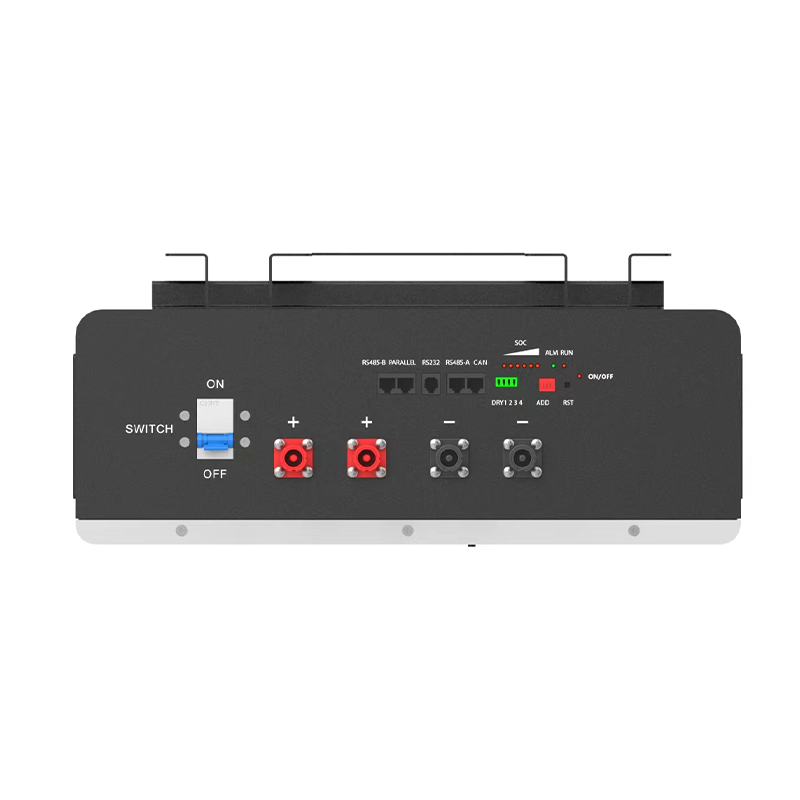
When it comes to powering your recreational vehicle (RV), understanding the significance of RV deep cycle batteries is essential. Unlike traditional car batteries, which are designed for short bursts of energy, RV deep cycle batteries are engineered to provide a steady amount of power over an extended period. This characteristic makes them ideal for applications where consistent and reliable energy is required, such as running appliances, lights, and electronic devices while camping or on the road.
RV deep cycle batteries are mostly available in two types: flooded lead-acid and sealed (AGM or gel) batteries. Flooded lead-acid batteries are the most common and generally more affordable. However, they require regular maintenance, including checking the water levels and ensuring proper ventilation. On the other hand, sealed batteries are maintenance-free and can be mounted in various positions, making them more versatile for different RV setups.
One of the critical specifications to consider when choosing an RV deep cycle battery is its capacity, measured in amp-hours (Ah). This measurement indicates how much energy the battery can store and deliver over a specific period. A higher amp-hour rating means longer usage time before recharging is necessary. Additionally, understanding the discharge rate is essential; deep cycle batteries are designed to be discharged to a lower state than traditional batteries without damage. Aim to avoid discharging below 50% of its capacity for optimum lifespan.
Another important aspect is the battery's cycle life, which refers to the number of complete charge and discharge cycles the battery can undergo before its capacity significantly deteriorates. High-quality RV deep cycle batteries can provide hundreds of cycles, making them a worthwhile investment for frequent travelers.
Maintenance practices also play a vital role in ensuring the longevity and performance of RV deep cycle batteries. Regularly checking the terminals for corrosion, cleaning them, and ensuring proper charging techniques can prevent premature wear. Utilizing a smart charger that matches the battery type is also recommended, as it optimizes the charging process and prolongs battery life.
In conclusion, RV deep cycle batteries are indispensable for ensuring a reliable power source during your travels. By understanding their features, types, capacity, and maintenance requirements, you can make informed decisions that enhance your RV experience. Whether you opt for a flooded lead-acid battery or a sealed variant, proper care and knowledge will lead to efficient power management and enjoyable adventures on the road.
RV deep cycle batteries are mostly available in two types: flooded lead-acid and sealed (AGM or gel) batteries. Flooded lead-acid batteries are the most common and generally more affordable. However, they require regular maintenance, including checking the water levels and ensuring proper ventilation. On the other hand, sealed batteries are maintenance-free and can be mounted in various positions, making them more versatile for different RV setups.
One of the critical specifications to consider when choosing an RV deep cycle battery is its capacity, measured in amp-hours (Ah). This measurement indicates how much energy the battery can store and deliver over a specific period. A higher amp-hour rating means longer usage time before recharging is necessary. Additionally, understanding the discharge rate is essential; deep cycle batteries are designed to be discharged to a lower state than traditional batteries without damage. Aim to avoid discharging below 50% of its capacity for optimum lifespan.
Another important aspect is the battery's cycle life, which refers to the number of complete charge and discharge cycles the battery can undergo before its capacity significantly deteriorates. High-quality RV deep cycle batteries can provide hundreds of cycles, making them a worthwhile investment for frequent travelers.
Maintenance practices also play a vital role in ensuring the longevity and performance of RV deep cycle batteries. Regularly checking the terminals for corrosion, cleaning them, and ensuring proper charging techniques can prevent premature wear. Utilizing a smart charger that matches the battery type is also recommended, as it optimizes the charging process and prolongs battery life.
In conclusion, RV deep cycle batteries are indispensable for ensuring a reliable power source during your travels. By understanding their features, types, capacity, and maintenance requirements, you can make informed decisions that enhance your RV experience. Whether you opt for a flooded lead-acid battery or a sealed variant, proper care and knowledge will lead to efficient power management and enjoyable adventures on the road.
Key words:


Online consultation

Free consultation
All rights reserved©UNIQUE
Business License
Power by:www.300.cn | SEO | Privacy Policy