Welcome to UNIQUE!
Comparing Lithium and Lead-Acid Batteries for Your Forklift Needs: Which Is the Best Choice?
Comparing Lithium and Lead-Acid Batteries for Your Forklift Needs
When it comes to powering your forklift operations, choosing the right battery technology is crucial. **Lithium** and **lead-acid batteries** are two popular choices in the industry, each offering distinct advantages and drawbacks. This article will thoroughly explore both battery types, helping you make an informed decision tailore
2026-05-08
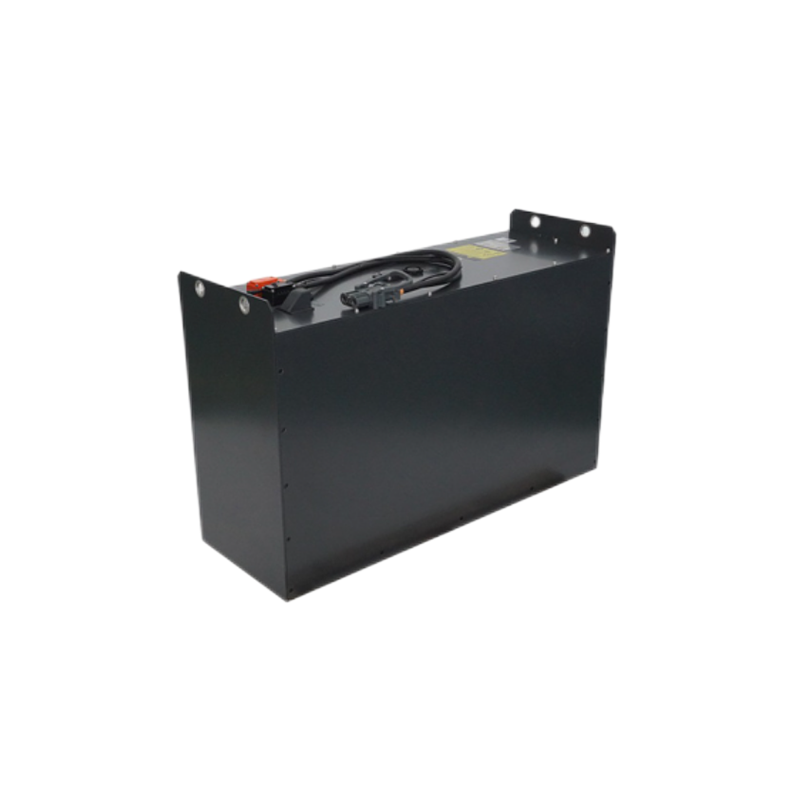
Comparing Lithium and Lead-Acid Batteries for Your Forklift Needs
When it comes to powering your forklift operations, choosing the right battery technology is crucial. **Lithium** and **lead-acid batteries** are two popular choices in the industry, each offering distinct advantages and drawbacks. This article will thoroughly explore both battery types, helping you make an informed decision tailored to your specific needs.
Table of Contents
- 1. Introduction to Forklift Batteries
- 2. What Are Lithium Batteries?
- 3. What Are Lead-Acid Batteries?
- 4. Key Comparison Criteria
- 4.1 Performance
- 4.2 Lifespan
- 4.3 Cost Analysis
- 4.4 Maintenance Requirements
- 4.5 Environmental Impact
- 5. Real-World Case Studies
- 6. Frequently Asked Questions
- 7. Conclusion
1. Introduction to Forklift Batteries
As a business owner or fleet manager, selecting the right battery for your forklifts can significantly impact your operation's efficiency and costs. **Lithium batteries** have gained popularity due to their advanced technology, while traditional **lead-acid batteries** remain widely used due to their established reliability and lower initial costs. Understanding the fundamental differences, including performance, lifespan, and total cost of ownership, is essential for making the best choice.
2. What Are Lithium Batteries?
Lithium batteries, specifically lithium-ion (Li-ion) batteries, are a more modern energy storage solution. They utilize lithium compounds to store energy and have several advantages over traditional battery types. Known for their high energy density, lightweight design, and faster charging abilities, lithium batteries have become increasingly popular in various applications, including forklifts.
Advantages of Lithium Batteries
**1. Energy Density:** Lithium batteries offer a higher energy density compared to lead-acid, allowing for longer operating hours without additional weight.
**2. Fast Charging:** These batteries can be charged quickly, often fully charging in less than two hours, which enhances productivity by minimizing downtime.
**3. Longer Lifespan:** Typically, lithium batteries can last up to 5,000 cycles, significantly surpassing the lifespan of lead-acid batteries.
**4. Low Maintenance:** Lithium batteries require minimal maintenance, with no need for watering or equalization charges.
Disadvantages of Lithium Batteries
**1. Initial Cost:** The upfront investment for lithium batteries is generally higher compared to lead-acid.
**2. Temperature Sensitivity:** Lithium batteries may require temperature management systems to ensure optimal performance in extreme conditions.
3. What Are Lead-Acid Batteries?
Lead-acid batteries have been the standard choice for powering forklifts for decades. They consist of lead dioxide and sponge lead plates submerged in an electrolyte solution of sulfuric acid. Due to their long history and established technology, lead-acid batteries are widely available and understood.
Advantages of Lead-Acid Batteries
**1. Lower Initial Cost:** Lead-acid batteries are significantly less expensive to purchase, making them appealing for businesses with tight budgets.
**2. Availability:** These batteries are widely available and come in various configurations suited for different forklift models.
**3. Proven Technology:** With decades of use, lead-acid batteries have established reliability and a wealth of available data regarding performance.
Disadvantages of Lead-Acid Batteries
**1. Shorter Lifespan:** They typically last between 1,000 to 2,000 cycles, leading to more frequent replacements.
**2. Maintenance Intensive:** Lead-acid batteries require regular maintenance, including watering and equalization.
**3. Longer Charging Time:** Charging times can exceed eight hours, contributing to longer downtimes.
4. Key Comparison Criteria
When deciding between lithium and lead-acid batteries for your forklift, it is essential to assess various criteria that influence their performance and overall value.
4.1 Performance
In terms of performance, lithium batteries outperform lead-acid counterparts significantly. The rapid discharge rates and consistent voltage output of lithium batteries result in improved operational efficiency. Conversely, lead-acid batteries may suffer from voltage sag under heavy loads, affecting performance.
4.2 Lifespan
The lifespan is a critical factor in battery selection. With a lifespan of around 5,000 cycles, lithium batteries outlast lead-acid batteries, which typically last between 1,000 and 2,000 cycles. This extended longevity translates to lower replacement costs over time for lithium options.
4.3 Cost Analysis
While the initial cost of lithium batteries is higher, total cost of ownership (TCO) plays a significant role in decision-making. Lead-acid batteries may seem cheaper up front, but their shorter lifespan, higher maintenance costs, and downtime lead to increased long-term expenses. Analyzing TCO offers a clearer picture of the true costs associated with each battery type.
4.4 Maintenance Requirements
Lithium batteries require minimal maintenance, reducing labor and operational costs. In contrast, lead-acid batteries necessitate regular upkeep, such as electrolyte checks and watering, which can be labor-intensive and time-consuming.
4.5 Environmental Impact
When considering environmental impact, lithium batteries have advantages over lead-acid batteries. They contain fewer hazardous materials and are generally easier to recycle. However, lithium mining and production have raised concerns about environmental sustainability, highlighting the need for responsible sourcing and recycling practices.
5. Real-World Case Studies
To illustrate the practical implications of choosing between lithium and lead-acid batteries, consider the following case studies:
**Case Study 1: A Warehouse Operation with High Turnover Rates**
A large distribution center faced challenges with its lead-acid forklift batteries, which required frequent maintenance and replacement. After switching to lithium batteries, they experienced a significant reduction in downtime and maintenance costs, resulting in increased productivity.
**Case Study 2: A Small Manufacturing Facility**
A small manufacturing facility opted for lead-acid batteries due to their lower initial investment. However, the longer charging times and maintenance requirements quickly outweighed their cost benefits. The company eventually transitioned to lithium batteries, which provided quicker turnaround times and reduced labor costs associated with battery maintenance.
6. Frequently Asked Questions
**Q1: What is the average lifespan of lithium batteries compared to lead-acid?**
A1: Lithium batteries typically last around 5,000 cycles, while lead-acid batteries generally last between 1,000 and 2,000 cycles.
**Q2: Are lithium batteries more environmentally friendly than lead-acid batteries?**
A2: Yes, lithium batteries typically have a lower environmental impact due to fewer hazardous materials and more efficient recycling processes.
**Q3: How does the charging time compare between lithium and lead-acid batteries?**
A3: Lithium batteries can charge fully in under two hours, while lead-acid batteries often take eight hours or more to charge.
**Q4: Do lithium batteries require maintenance?**
A4: No, lithium batteries require minimal maintenance, whereas lead-acid batteries need regular watering and equalization.
**Q5: Is the initial cost of lithium batteries worth the investment?**
A5: While lithium batteries have a higher initial cost, their longer lifespan, lower maintenance, and the total cost of ownership often make them a better long-term investment.
7. Conclusion
Choosing between **lithium** and **lead-acid batteries** for your forklift needs ultimately depends on your specific operational requirements and budget constraints. **Lithium batteries** provide superior performance, longevity, and low maintenance, making them an attractive option for businesses prioritizing efficiency and productivity. However, **lead-acid batteries** may still be suitable for those with limited budgets and lower usage demands. By carefully considering the key comparison criteria discussed, you can make an informed decision that suits your operational needs now and into the future.
Key words:
Related News


Online consultation

Free consultation
All rights reserved©UNIQUE
Business License
Power by:www.300.cn | SEO | Privacy Policy