Welcome to UNIQUE!
Revolutionizing Material Handling: The Role of Energy Storage Batteries in Forklifts
In the fast-paced world of material handling, energy storage batteries for forklifts are becoming a cornerstone technology that enhances operational efficiency and sustainability. These batteries provide the necessary power to operate forklifts, making them essential for warehouses, distribution centers, and manufacturing facilities. Understanding the different types of energy storage batteries an
2026-04-16
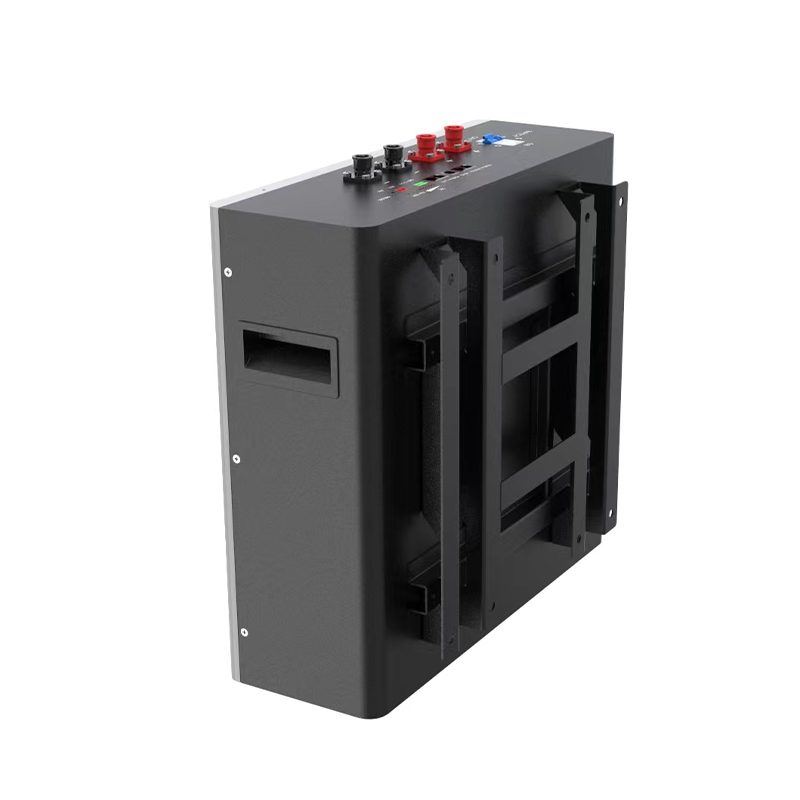
In the fast-paced world of material handling, energy storage batteries for forklifts are becoming a cornerstone technology that enhances operational efficiency and sustainability. These batteries provide the necessary power to operate forklifts, making them essential for warehouses, distribution centers, and manufacturing facilities. Understanding the different types of energy storage batteries and their applications can help businesses optimize their operations.
One of the most common types of energy storage batteries for forklifts is the lead-acid battery. Known for their reliability and cost-effectiveness, these batteries have been a staple in the industry for many years. They are suitable for most basic applications and can handle heavy loads. However, they require regular maintenance, including watering and equalization charges, which can lead to downtime.
On the other hand, lithium-ion batteries are gaining popularity due to their numerous advantages over traditional lead-acid batteries. These energy storage batteries are lighter, have a higher energy density, and require less maintenance. Lithium-ion batteries can be charged faster and have a longer lifespan, making them an ideal choice for operations that require continuous use throughout the day. Additionally, they offer the flexibility of opportunity charging, which allows operators to charge the batteries during breaks, maximizing uptime.
When selecting an energy storage battery for forklifts, several factors should be considered. First, assess the specific power requirements of your forklifts. Different models may have different energy needs, and matching the battery to these requirements is crucial for optimal performance. Next, evaluate the operating environment. If your warehouse operates in extreme temperatures or has limited ventilation, you may need a battery that can withstand these conditions without compromising performance.
Moreover, consider the charging infrastructure. If you choose lithium-ion batteries, ensure your facility is equipped with the necessary charging stations and technology. Lastly, think about the total cost of ownership, which includes not just the initial purchase price but also maintenance, energy savings, and potential downtime.
In conclusion, energy storage batteries for forklifts play a vital role in enhancing efficiency and sustainability in material handling operations. By understanding the various battery types, their advantages, and the factors to consider when selecting one, businesses can make informed decisions that lead to improved operational efficiency and reduced costs. Embracing the right energy storage solutions can ultimately drive productivity and contribute to a greener future in industrial operations.
One of the most common types of energy storage batteries for forklifts is the lead-acid battery. Known for their reliability and cost-effectiveness, these batteries have been a staple in the industry for many years. They are suitable for most basic applications and can handle heavy loads. However, they require regular maintenance, including watering and equalization charges, which can lead to downtime.
On the other hand, lithium-ion batteries are gaining popularity due to their numerous advantages over traditional lead-acid batteries. These energy storage batteries are lighter, have a higher energy density, and require less maintenance. Lithium-ion batteries can be charged faster and have a longer lifespan, making them an ideal choice for operations that require continuous use throughout the day. Additionally, they offer the flexibility of opportunity charging, which allows operators to charge the batteries during breaks, maximizing uptime.
When selecting an energy storage battery for forklifts, several factors should be considered. First, assess the specific power requirements of your forklifts. Different models may have different energy needs, and matching the battery to these requirements is crucial for optimal performance. Next, evaluate the operating environment. If your warehouse operates in extreme temperatures or has limited ventilation, you may need a battery that can withstand these conditions without compromising performance.
Moreover, consider the charging infrastructure. If you choose lithium-ion batteries, ensure your facility is equipped with the necessary charging stations and technology. Lastly, think about the total cost of ownership, which includes not just the initial purchase price but also maintenance, energy savings, and potential downtime.
In conclusion, energy storage batteries for forklifts play a vital role in enhancing efficiency and sustainability in material handling operations. By understanding the various battery types, their advantages, and the factors to consider when selecting one, businesses can make informed decisions that lead to improved operational efficiency and reduced costs. Embracing the right energy storage solutions can ultimately drive productivity and contribute to a greener future in industrial operations.
Key words:
Previous:
Related News


Online consultation

Free consultation
All rights reserved©UNIQUE
Business License
Power by:www.300.cn | SEO | Privacy Policy