Welcome to UNIQUE!
How to Properly Store Your Forklift Battery for Longevity
How to Properly Store Your Forklift Battery for Longevity
Storing a forklift battery correctly is crucial for ensuring its longevity and functionality. Forklift batteries are significant investments, and proper maintenance can help you save on replacements and enhance your operational efficiency. In this comprehensive guide, we will delve into the best practices for storing your forklift battery,
2026-04-10
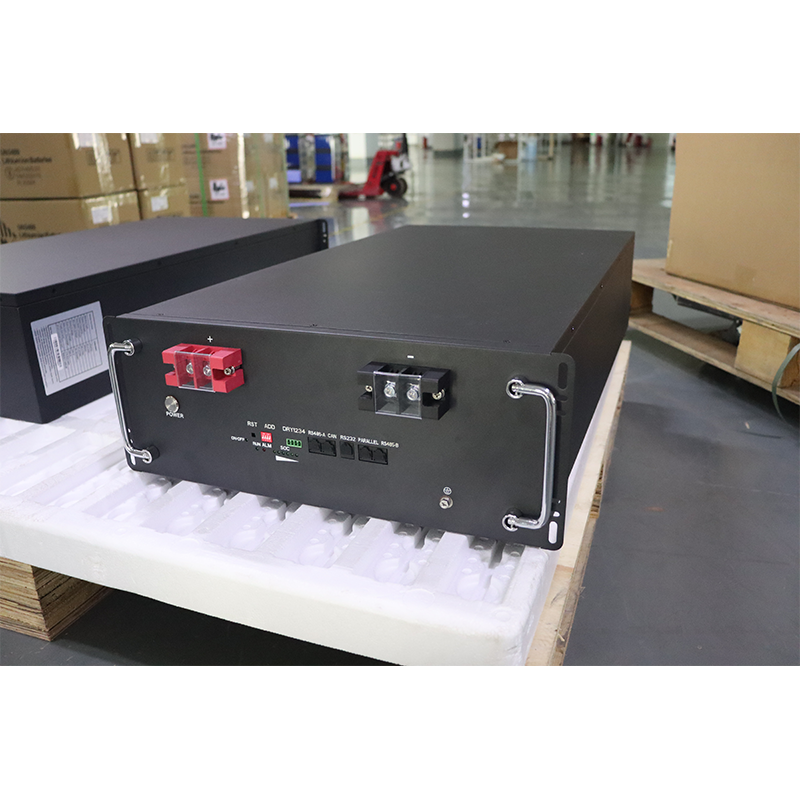
How to Properly Store Your Forklift Battery for Longevity
Storing a forklift battery correctly is crucial for ensuring its longevity and functionality. Forklift batteries are significant investments, and proper maintenance can help you save on replacements and enhance your operational efficiency. In this comprehensive guide, we will delve into the best practices for storing your forklift battery, addressing everything from optimal conditions to common mistakes to avoid.
Understanding Forklift Batteries: Types and Usage
Before diving into storage techniques, it’s important to understand the types of forklift batteries available and their typical usage.
Types of Forklift Batteries
Forklift batteries primarily fall into two categories: **lead-acid batteries** and **lithium-ion batteries**.
- **Lead-Acid Batteries**: The most commonly used forklift batteries, known for their reliability and cost-effectiveness. However, they require regular maintenance, including water checks and equalization charges.
- **Lithium-Ion Batteries**: These are becoming increasingly popular due to their longer lifespan, faster charging times, and lower maintenance requirements.
Each type has its specific storage needs, which we will explore below.
Common Applications of Forklift Batteries
Forklift batteries are used across various industries, including warehousing, manufacturing, and logistics. Understanding your operational demands can guide you in choosing the right battery and storage solutions.
Importance of Proper Forklift Battery Storage
Storing your forklift battery correctly is not just about prolonging its lifespan; it also impacts safety, performance, and cost-effectiveness.
Benefits of Proper Storage
1. **Extended Lifespan**: Proper storage conditions can significantly increase how long your battery lasts, reducing the frequency of replacement.
2. **Enhanced Performance**: A well-maintained battery will operate more efficiently, improving the overall productivity of your forklift.
3. **Cost Savings**: Reducing the need for replacements and repairs translates to significant savings over time.
Optimal Conditions for Forklift Battery Storage
Storing your forklift battery under optimal conditions is crucial for its longevity. Here are the key factors to consider:
Temperature Control
Forklift batteries should be stored in a **cool, dry environment**. Ideal temperatures range from **32°F to 80°F (0°C to 27°C)** for lead-acid batteries and slightly wider for lithium-ion batteries. Extreme temperatures can lead to battery degradation.
Effects of High and Low Temperatures
- **High Temperatures**: Can lead to accelerated evaporation of the electrolyte in lead-acid batteries and can cause lithium-ion batteries to overheat, leading to performance issues.
- **Low Temperatures**: Can reduce battery efficiency and capacity, especially in lead-acid batteries.
Humidity Levels
Excessive humidity can lead to corrosion and other damage. Aim to keep the relative humidity between **30% and 50%** to ensure your battery remains in optimal condition.
Ventilation
Proper airflow is essential to dissipate heat and prevent the buildup of harmful gases emitted from lead-acid batteries. Ensure that the storage area is well-ventilated to maintain air quality and prevent gas accumulation.
Best Practices for Storing Forklift Batteries
Implementing best practices can greatly enhance your forklift battery's performance and longevity. Here are some strategies to consider:
Regular Maintenance Checks
Before storage, conduct thorough maintenance checks. This includes:
- **Cleaning**: Remove any corrosion or dirt from the terminals and battery casing using a solution of baking soda and water.
- **Water Levels**: For lead-acid batteries, ensure the water levels are topped up before storage to prevent damage.
Charge the Battery Before Storage
Always ensure your forklift battery is fully charged before storing. This prevents sulfation, a common issue in lead-acid batteries that occurs when they are stored in a discharged state.
Use of Battery Trays and Racks
Utilizing battery trays and racks not only keeps your battery secure but also protects it from physical damage. Ensure that the racks are made from non-conductive materials to prevent electrical shorts.
Avoiding Direct Ground Contact
Keep the battery off of direct contact with the ground to prevent moisture absorption. Use rubber mats or elevated racks for added protection.
Common Mistakes to Avoid When Storing Forklift Batteries
Understanding common pitfalls can help you maintain your forklift battery effectively.
Storing in Extreme Temperatures
Avoid placing your battery in areas where temperatures fluctuate greatly or where it can be exposed to direct sunlight or extreme cold.
Ignoring Regular Inspections
Neglecting regular inspections can lead to significant issues. Make it a routine to check your battery condition periodically, even during storage.
Overlooking Ventilation Needs
Failing to provide adequate ventilation can create dangerous conditions. Ensure your storage area is properly ventilated to minimize risks.
Frequently Asked Questions (FAQs)
1. How often should I inspect my forklift battery during storage?
We recommend inspecting your forklift battery at least once a month to ensure it remains in optimal condition.
2. Can I store lead-acid and lithium-ion batteries together?
It’s best to store them separately, as they have different maintenance and storage requirements.
3. What should I do if my battery has been stored for an extended period?
If your battery has been in storage for an extended period, perform a thorough inspection, recharge it fully, and check the electrolyte levels before use.
4. How do I know if my battery is sulfated?
Signs of sulfation include reduced capacity and performance issues. If you suspect sulfation, consult a professional for advice on recovery options.
5. What is the best way to clean my forklift battery terminals?
Using a mixture of baking soda and water, gently scrub the terminals with a soft brush to remove corrosion.
Conclusion
Properly storing your forklift battery is essential for maintaining its longevity and performance. By understanding the optimal conditions, implementing best practices, and avoiding common mistakes, we can maximize the lifespan of our forklift batteries. This not only ensures operational efficiency but also leads to significant cost savings in the long run. By following these guidelines, we can protect our investments and enhance our productivity in the workplace. Remember, regular maintenance checks and adherence to proper storage protocols are key to achieving the best results.
Key words:


Online consultation

Free consultation
All rights reserved©UNIQUE
Business License
Power by:www.300.cn | SEO | Privacy Policy