Welcome to UNIQUE!
Comparing Traditional Batteries and RV Lithium Batteries for Camping
Comparing Traditional Batteries and RV Lithium Batteries for Camping
Table of Contents
1. Introduction to Camping Power Solutions
2. Understanding Traditional Batteries
2.1 Types of Traditional Batteries
2.2 Advantages of Traditional Batteries
2.3 Disadvantages of Traditional Batteries
3. Exploring RV Lithium Batteries
3.1 What are RV Lithium Batteries?
3.2 Key Benefits of RV Lit
2026-04-14
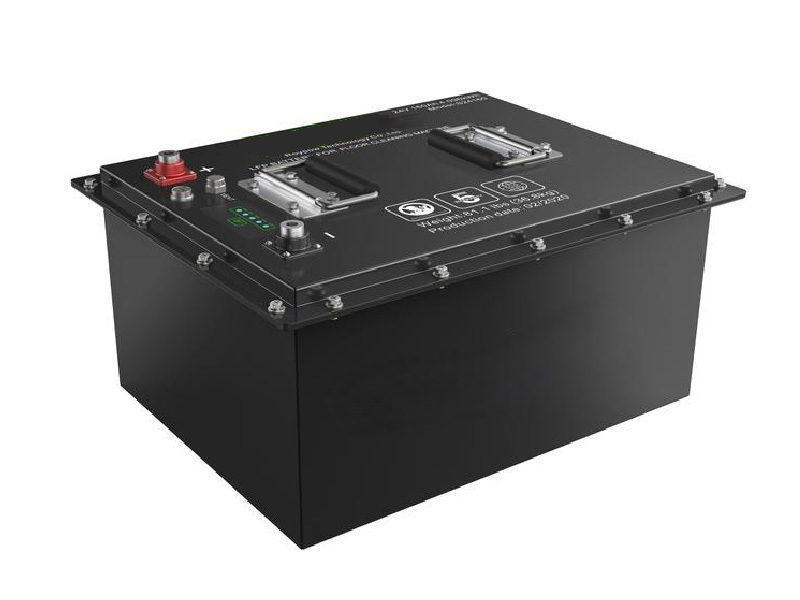
Comparing Traditional Batteries and RV Lithium Batteries for Camping
Table of Contents
1. Introduction to Camping Power Solutions
2. Understanding Traditional Batteries
2.1 Types of Traditional Batteries
2.2 Advantages of Traditional Batteries
2.3 Disadvantages of Traditional Batteries
3. Exploring RV Lithium Batteries
3.1 What are RV Lithium Batteries?
3.2 Key Benefits of RV Lithium Batteries
3.3 Limitations of RV Lithium Batteries
4. Performance Comparison: Traditional vs. Lithium Batteries
4.1 Energy Density and Weight
4.2 Lifespan and Cycle Life
4.3 Charging Speed and Efficiency
5. Cost Analysis: Making an Informed Decision
5.1 Upfront Costs vs. Long-Term Investment
5.2 Maintenance Costs and Considerations
6. Environmental Impact of Battery Types
6.1 Recycling and Disposal of Traditional Batteries
6.2 Sustainability of RV Lithium Batteries
7. Best Use Cases for Each Battery Type
8. Frequently Asked Questions (FAQs)
9. Conclusion
1. Introduction to Camping Power Solutions
When planning a camping trip, securing a reliable power source can make all the difference in ensuring a comfortable experience. **Understanding the options available, particularly in the realm of batteries, is crucial.** In this article, we will dissect the differences between traditional batteries and RV lithium batteries, helping campers make an informed choice based on their specific needs.
2. Understanding Traditional Batteries
Traditional batteries have been the stalwarts of portable power for decades. These batteries typically fall into two categories: lead-acid and AGM (Absorbent Glass Mat).
2.1 Types of Traditional Batteries
- **Lead-Acid Batteries:** The most common type, available in flooded, maintenance-free, and sealed variants.
- **AGM Batteries:** A more advanced version that provides better performance and is less prone to spillage.
2.2 Advantages of Traditional Batteries
- **Lower Upfront Costs:** Generally, traditional batteries are more affordable initially, making them an attractive option for budget-conscious campers.
- **Widespread Availability:** They are readily available at most retailers, ensuring easy access.
2.3 Disadvantages of Traditional Batteries
- **Weight:** Traditional batteries are typically heavier, making them less ideal for portability.
- **Shorter Lifespan:** They often have a shorter cycle life compared to lithium batteries, leading to more frequent replacements.
3. Exploring RV Lithium Batteries
RV lithium batteries represent the modern evolution of camping power solutions.
3.1 What are RV Lithium Batteries?
Lithium batteries utilize advanced technology to store energy more efficiently. They are lightweight and designed specifically for high-demand applications like RVs.
3.2 Key Benefits of RV Lithium Batteries
- **Lightweight:** These batteries can significantly reduce the overall weight of your RV or camper.
- **Long Cycle Life:** They can last up to 10 years with proper care, providing a better long-term investment.
- **Faster Charging:** RV lithium batteries charge significantly faster, allowing for more efficient use of time while camping.
3.3 Limitations of RV Lithium Batteries
- **Higher Initial Cost:** The upfront cost can be considerable, though it may pay off over time through savings on replacements.
- **Temperature Sensitivity:** Lithium batteries can be affected by extreme temperatures, leading to performance issues in harsh conditions.
4. Performance Comparison: Traditional vs. Lithium Batteries
When comparing traditional and RV lithium batteries, it’s essential to look at key performance metrics.
4.1 Energy Density and Weight
Lithium batteries have a higher energy density, meaning they can store more energy in a smaller, lighter package compared to traditional batteries.
4.2 Lifespan and Cycle Life
Lithium batteries generally offer a cycle life of 2000-5000 cycles, while traditional batteries might only reach 200-300 cycles, significantly affecting long-term costs and usability.
4.3 Charging Speed and Efficiency
Lithium batteries charge much faster, often reaching a full charge in a couple of hours, while traditional batteries may take considerably longer, which can impact your camping schedule.
5. Cost Analysis: Making an Informed Decision
Analyzing the costs associated with each battery type can guide your purchasing decision.
5.1 Upfront Costs vs. Long-Term Investment
While traditional batteries are less expensive upfront, their shorter lifespan and more frequent replacements can lead to higher costs over time. In contrast, RV lithium batteries, despite their higher initial investment, often yield savings in the long run.
5.2 Maintenance Costs and Considerations
Traditional batteries require regular maintenance, such as checking fluid levels and ensuring proper charging practices, potentially increasing ongoing costs. Lithium batteries typically require less maintenance, adding to their appeal.
6. Environmental Impact of Battery Types
The sustainability of battery options is an increasingly significant concern for many campers.
6.1 Recycling and Disposal of Traditional Batteries
Traditional batteries can pose environmental hazards if not disposed of correctly. **They often contain toxic materials that can leach into the environment.**
6.2 Sustainability of RV Lithium Batteries
Lithium batteries tend to have a lower environmental impact, especially when considering their longer lifespan and fewer replacements. **Recycling programs for lithium batteries are also becoming more prevalent, making them a more sustainable choice.**
7. Best Use Cases for Each Battery Type
Selecting the right battery type depends significantly on your camping style and needs.
- **Traditional Batteries:** Best suited for short trips where weight and size are less of an issue and cost is a primary concern.
- **RV Lithium Batteries:** Ideal for extended camping trips, frequent travelers, or those looking to minimize weight and maximize efficiency.
8. Frequently Asked Questions (FAQs)
1. How long do RV lithium batteries last compared to traditional batteries?
RV lithium batteries can last up to 10 years, while traditional batteries may only last 3-5 years with regular use.
2. Can I replace my traditional battery with a lithium battery without modifications?
In most cases, you may need to adjust your charging system to accommodate lithium batteries, as they require different charging voltages.
3. What is the average cost of RV lithium batteries?
RV lithium batteries can range from $800 to $3000, depending on capacity and brand, while traditional batteries usually cost between $100 and $300.
4. Are lithium batteries safe for camping?
Yes, lithium batteries are generally safe for camping when used according to the manufacturer's guidelines, but they should be protected from extreme temperatures.
5. How should I maintain my lithium battery for optimal performance?
Regularly check the battery management system, avoid deep discharges, and keep it charged between 20% and 80% for best performance.
9. Conclusion
In conclusion, both traditional batteries and RV lithium batteries have their unique advantages and disadvantages when it comes to camping power solutions. **Traditional batteries offer lower initial costs**, making them suitable for budget-friendly campers, but their lifespan and efficiency can be limiting. **RV lithium batteries, while more expensive upfront, provide significant benefits in terms of weight, lifespan, and charging speed**, making them a more efficient choice for serious campers and RV enthusiasts. Ultimately, the best choice will depend on your individual needs, camping style, and budget. Understanding these differences can help you prepare for your adventures and enjoy the great outdoors with reliable energy at your disposal.
Key words:


Online consultation

Free consultation
All rights reserved©UNIQUE
Business License
Power by:www.300.cn | SEO | Privacy Policy