Welcome to UNIQUE!
Essential Guide to Maintaining Your 48V Lithium Battery for Peak Golf Cart Performance
Essential Guide to Maintaining Your 48V Lithium Battery for Peak Golf Cart Performance
Table of Contents
1. Introduction to 48V Lithium Batteries
2. Understanding the 48V Lithium Battery
3. Importance of Regular Maintenance
4. Maintenance Tips for Longevity
4.1 Optimal Charging Habits
4.2 Temperature Regulation
4.3 Proper Storage Conditions
4.4 Cleaning the Ba
2026-01-28
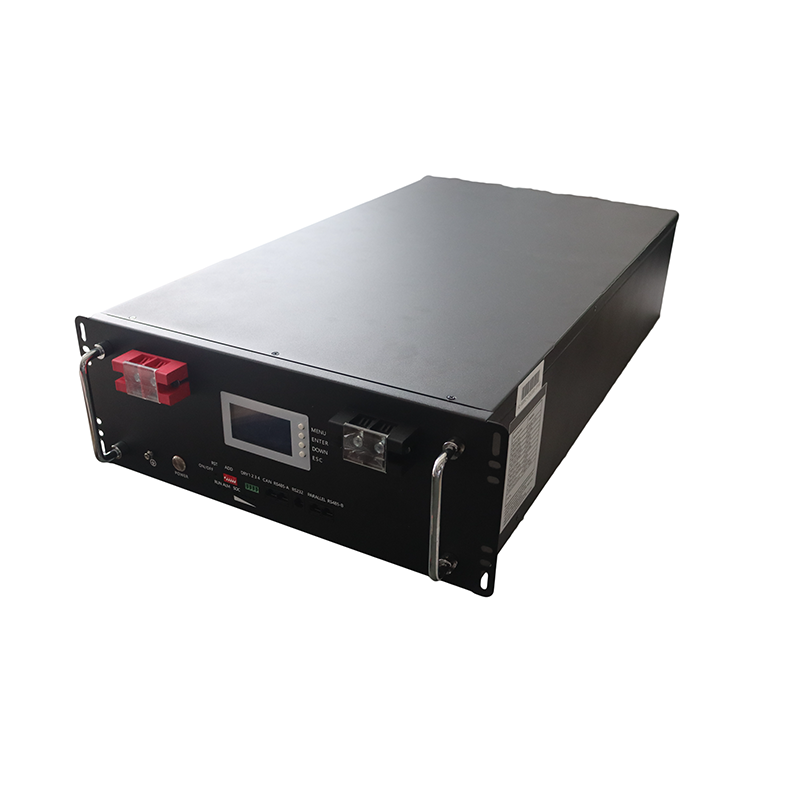
Essential Guide to Maintaining Your 48V Lithium Battery for Peak Golf Cart Performance
Table of Contents
- 1. Introduction to 48V Lithium Batteries
- 2. Understanding the 48V Lithium Battery
- 3. Importance of Regular Maintenance
- 4. Maintenance Tips for Longevity
- 4.1 Optimal Charging Habits
- 4.2 Temperature Regulation
- 4.3 Proper Storage Conditions
- 4.4 Cleaning the Battery
- 4.5 Monitoring Battery Health
- 5. Troubleshooting Common Issues
- 6. Frequently Asked Questions (FAQs)
- 7. Conclusion
1. Introduction to 48V Lithium Batteries
Maintaining your 48V lithium battery is crucial for ensuring optimal performance and longevity of your golf cart. Unlike traditional lead-acid batteries, lithium batteries offer a higher energy density, longer lifespan, and faster recharging capabilities. However, these advantages come with specific maintenance requirements to maximize their potential. This guide aims to provide you with all the information necessary to maintain your battery effectively and keep your golf cart running smoothly.
2. Understanding the 48V Lithium Battery
A 48V lithium battery consists of multiple cells connected in series to achieve the desired voltage and capacity. These batteries are typically lighter than their lead-acid counterparts and are designed to deliver consistent power over a longer period. Understanding the basic components and functionality of your battery can significantly aid in effective maintenance.
2.1 Components of Lithium Batteries
Lithium batteries are composed of:
- **Anode and Cathode**: The anode is usually made of graphite, while the cathode is a lithium metal oxide.
- **Electrolyte**: A lithium salt dissolved in a solvent, allowing ions to move between the anode and cathode.
- **Battery Management System (BMS)**: This critical component monitors the battery's state, ensuring safe operation by preventing overcharging and excessive discharging.
2.2 Benefits of Lithium Batteries in Golf Carts
- **Lightweight**: Reduces the overall weight of the golf cart, improving performance.
- **Fast Charging**: Can be charged in a shorter time than lead-acid batteries.
- **Depth of Discharge**: Allows for deeper discharge without harming the battery, providing more usable capacity.
3. Importance of Regular Maintenance
Regular maintenance of your 48V lithium battery is essential for several reasons:
- **Extended Lifespan**: Proper care can significantly extend the life of your battery, potentially up to a decade or more.
- **Enhanced Performance**: A well-maintained battery performs better, providing consistent power output and faster acceleration.
- **Cost Efficiency**: Reduced need for replacements and repairs saves money in the long run.
4. Maintenance Tips for Longevity
To ensure your 48V lithium battery remains in peak condition, follow these best practices:
4.1 Optimal Charging Habits
- **Charge Regularly**: Avoid letting the battery completely discharge. Aim to recharge it when it reaches around 20% capacity.
- **Use the Correct Charger**: Always utilize the charger specifically designed for your lithium battery. Using an inappropriate charger can lead to damage.
- **Avoid Overcharging**: Despite lithium batteries having built-in protections, consistently overcharging can reduce battery life. Disconnect the charger once fully charged.
4.2 Temperature Regulation
- **Ideal Operating Temperature**: Lithium batteries perform best within a temperature range of 32°F to 113°F (0°C to 45°C).
- **Avoid Extreme Temperatures**: Protect your battery from extreme cold or heat, as these conditions can lead to reduced performance and lifespan.
4.3 Proper Storage Conditions
- **Store in a Cool, Dry Place**: When not in use, store your battery in a location with moderate temperatures and low humidity.
- **Partial Charge Storage**: If you're storing the battery for an extended period, ensure it is charged to around 50%, as this helps maintain health.
4.4 Cleaning the Battery
- **Regular Inspections**: Inspect your battery regularly for dirt, corrosion, or damage.
- **Cleaning Method**: Use a damp cloth to wipe down the battery terminals and housing. Avoid using harsh chemicals that could damage the battery.
4.5 Monitoring Battery Health
- **Battery Management System (BMS)**: Rely on the BMS for real-time data on battery health. Regularly check for alerts indicating issues.
- **Visual Inspections**: Look for signs of swelling, leakage, or damage. If any issues are detected, seek professional assistance promptly.
5. Troubleshooting Common Issues
Despite taking excellent care of your 48V lithium battery, you may encounter issues. Here are some common problems and their solutions:
5.1 Battery Not Charging
- **Check Connections**: Ensure that all connections are secure and free of corrosion.
- **Inspect Charger**: Test the charger with a different battery to determine if it is functioning properly.
5.2 Reduced Performance
- **Temperature Factors**: Remember that extreme temperatures can impact battery performance. Ensure your battery is within the recommended temperature range.
- **Battery Age**: Older batteries will naturally experience reduced output. If your battery is several years old, it might be time to consider a replacement.
5.3 Frequent Overheating
- **Ventilation**: Ensure adequate airflow around the battery during operation and charging to prevent overheating.
- **Inspect for Damage**: Check for any physical damage that might cause short circuits or overheating.
6. Frequently Asked Questions (FAQs)
6.1 How long does a 48V lithium battery last?
Typically, a well-maintained 48V lithium battery can last between 5 to 10 years, depending on usage and care.
6.2 Can I use a regular charger for my lithium battery?
No, always use the charger designed for your specific lithium battery to ensure safety and optimal performance.
6.3 What should I do if my battery is not holding a charge?
If your battery is not holding a charge, check for loose connections and test the charger. If issues persist, consult a professional.
6.4 Are lithium batteries safe for golf carts?
Yes, lithium batteries are generally safe when used correctly, thanks to built-in protections against overcharging and overheating.
6.5 How do I dispose of my lithium battery?
Lithium batteries should be recycled properly. Consult local regulations for battery disposal and recycling facilities.
7. Conclusion
Maintaining your 48V lithium battery is essential for ensuring optimal performance of your golf cart. By following the tips outlined in this guide, you can extend the life of your battery, enhance its performance, and enjoy a smoother golfing experience. Regular maintenance and mindful usage will not only save you money but also keep your battery running at its best, allowing you to focus on enjoying your time on the course.
Key words:
Related News


Online consultation

Free consultation
All rights reserved©UNIQUE
Business License
Power by:www.300.cn | SEO | Privacy Policy