Welcome to UNIQUE!
Understanding RV Deep Cycle Batteries: A Comprehensive Guide for Professionals
RV deep cycle batteries are a vital component for those who rely on recreational vehicles for outdoor adventures or mobile living. Unlike standard car batteries that deliver a quick burst of energy, deep cycle batteries are designed to provide steady power over an extended period, making them ideal for powering appliances and devices in RVs. Understanding the unique features and benefits of these
2026-02-03
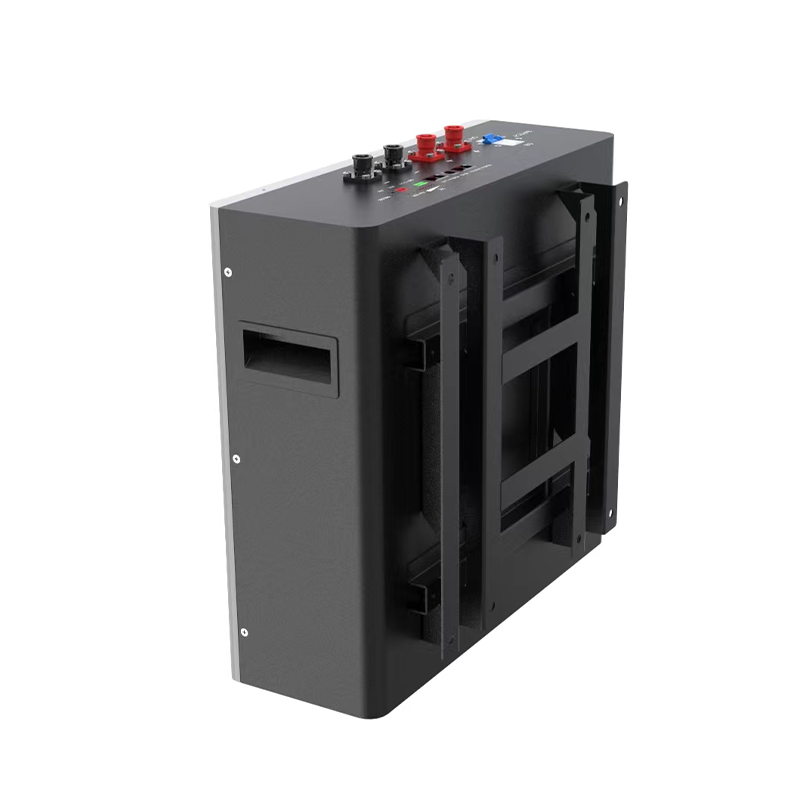
RV deep cycle batteries are a vital component for those who rely on recreational vehicles for outdoor adventures or mobile living. Unlike standard car batteries that deliver a quick burst of energy, deep cycle batteries are designed to provide steady power over an extended period, making them ideal for powering appliances and devices in RVs. Understanding the unique features and benefits of these batteries can significantly enhance their usage and lifespan.
One key characteristic of RV deep cycle batteries is their ability to be discharged and recharged repeatedly without significant damage. This property is crucial for RV owners who often find themselves in remote locations, relying on battery power for lighting, refrigeration, and electronic devices. Deep cycle batteries typically come in two main types: flooded lead-acid and sealed (AGM or gel). Flooded batteries are more affordable but require maintenance, such as checking water levels, while sealed batteries offer maintenance-free convenience, making them popular among RV enthusiasts.
When selecting an RV deep cycle battery, professionals should consider several factors, including capacity, cycle life, and weight. The capacity is measured in amp-hours (Ah), indicating how much energy the battery can store. A higher capacity means longer usage before needing a recharge, which is critical for extended trips. Cycle life refers to the number of charge and discharge cycles a battery can endure before its performance significantly degrades. Opting for a battery with a higher cycle life can save time and money in the long run.
Additionally, proper maintenance is essential for optimizing battery performance. Regularly checking the battery's terminals for corrosion, ensuring connections are tight, and maintaining appropriate charge levels can prolong its lifespan. Furthermore, it is advisable to store batteries at a full charge and to recharge them promptly after use to avoid sulfation, a common issue that can hinder performance.
In summary, RV deep cycle batteries play a crucial role in powering the conveniences of life on the road. By understanding their characteristics, maintenance needs, and the importance of capacity and cycle life, professionals in the consumer electronics industry can provide valuable advice to customers looking to enhance their RV experiences. Whether for recreational use or mobile living, investing in a quality deep cycle battery can significantly improve reliability and efficiency, making outdoor adventures more enjoyable.
One key characteristic of RV deep cycle batteries is their ability to be discharged and recharged repeatedly without significant damage. This property is crucial for RV owners who often find themselves in remote locations, relying on battery power for lighting, refrigeration, and electronic devices. Deep cycle batteries typically come in two main types: flooded lead-acid and sealed (AGM or gel). Flooded batteries are more affordable but require maintenance, such as checking water levels, while sealed batteries offer maintenance-free convenience, making them popular among RV enthusiasts.
When selecting an RV deep cycle battery, professionals should consider several factors, including capacity, cycle life, and weight. The capacity is measured in amp-hours (Ah), indicating how much energy the battery can store. A higher capacity means longer usage before needing a recharge, which is critical for extended trips. Cycle life refers to the number of charge and discharge cycles a battery can endure before its performance significantly degrades. Opting for a battery with a higher cycle life can save time and money in the long run.
Additionally, proper maintenance is essential for optimizing battery performance. Regularly checking the battery's terminals for corrosion, ensuring connections are tight, and maintaining appropriate charge levels can prolong its lifespan. Furthermore, it is advisable to store batteries at a full charge and to recharge them promptly after use to avoid sulfation, a common issue that can hinder performance.
In summary, RV deep cycle batteries play a crucial role in powering the conveniences of life on the road. By understanding their characteristics, maintenance needs, and the importance of capacity and cycle life, professionals in the consumer electronics industry can provide valuable advice to customers looking to enhance their RV experiences. Whether for recreational use or mobile living, investing in a quality deep cycle battery can significantly improve reliability and efficiency, making outdoor adventures more enjoyable.
Key words:
Previous:
Related News


Online consultation

Free consultation
All rights reserved©UNIQUE
Business License
Power by:www.300.cn | SEO | Privacy Policy