Welcome to UNIQUE!
Maximizing Efficiency: A Comprehensive Guide to Energy Storage Batteries for Forklifts
In the industrial landscape, energy storage batteries for forklifts have become a critical component in optimizing material handling operations. These batteries not only power electric forklifts but also contribute significantly to reducing operational costs, enhancing productivity, and minimizing environmental impact.
When considering energy storage batteries for forklifts, the two primary types
2026-01-26
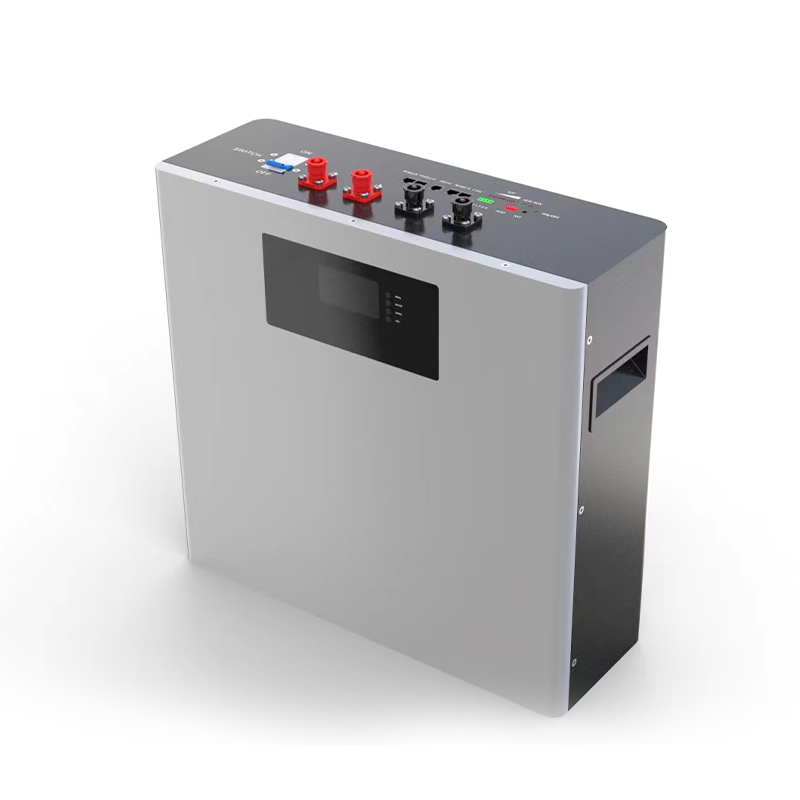
In the industrial landscape, energy storage batteries for forklifts have become a critical component in optimizing material handling operations. These batteries not only power electric forklifts but also contribute significantly to reducing operational costs, enhancing productivity, and minimizing environmental impact.
When considering energy storage batteries for forklifts, the two primary types are lead-acid and lithium-ion batteries. Lead-acid batteries, a traditional choice, are often less expensive upfront and have a proven track record in various industrial applications. However, they require regular maintenance, including watering and equalizing charges, which can lead to downtime. On the other hand, lithium-ion batteries offer several advantages, including higher energy density, faster charging times, and lower maintenance requirements. They also have a longer cycle life, which can translate into lower total cost of ownership over time.
One of the significant benefits of utilizing advanced energy storage batteries for forklifts is their impact on operational efficiency. Electric forklifts powered by these batteries can operate for longer periods on a single charge, reducing the frequency of charging cycles and allowing for extended use during peak operations. This characteristic is particularly beneficial in environments with high demands for material handling, such as warehouses and distribution centers.
Another critical aspect to consider is the charging infrastructure. Energy storage batteries for forklifts can be charged using various methods, including opportunity charging, where batteries are charged during breaks or shifts. This capability maximizes uptime and ensures that forklifts are always ready for use. It’s essential to assess the charging setup and compatibility with your existing operations to ensure seamless integration with your fleet.
In addition to efficiency, using energy storage batteries for forklifts aligns with sustainability goals. As industries shift towards greener practices, electric forklifts powered by energy-efficient batteries can significantly reduce carbon footprints compared to their internal combustion counterparts. Lithium-ion battery technology, in particular, supports this initiative with its lower environmental impact over its lifecycle.
Furthermore, when selecting energy storage batteries, it’s crucial to consider factors such as capacity, discharge rate, and temperature tolerance. Each application may have unique requirements depending on the workload and operating conditions. Engaging with technical experts or battery specialists can provide valuable insights tailored to your specific operational needs.
In conclusion, the adoption of energy storage batteries for forklifts is a strategic move toward enhancing productivity, reducing costs, and promoting sustainability. By understanding the different types of batteries, their advantages, and the importance of optimal charging infrastructure, businesses can make informed decisions that lead to improved operational success and efficiency in their material handling processes.
When considering energy storage batteries for forklifts, the two primary types are lead-acid and lithium-ion batteries. Lead-acid batteries, a traditional choice, are often less expensive upfront and have a proven track record in various industrial applications. However, they require regular maintenance, including watering and equalizing charges, which can lead to downtime. On the other hand, lithium-ion batteries offer several advantages, including higher energy density, faster charging times, and lower maintenance requirements. They also have a longer cycle life, which can translate into lower total cost of ownership over time.
One of the significant benefits of utilizing advanced energy storage batteries for forklifts is their impact on operational efficiency. Electric forklifts powered by these batteries can operate for longer periods on a single charge, reducing the frequency of charging cycles and allowing for extended use during peak operations. This characteristic is particularly beneficial in environments with high demands for material handling, such as warehouses and distribution centers.
Another critical aspect to consider is the charging infrastructure. Energy storage batteries for forklifts can be charged using various methods, including opportunity charging, where batteries are charged during breaks or shifts. This capability maximizes uptime and ensures that forklifts are always ready for use. It’s essential to assess the charging setup and compatibility with your existing operations to ensure seamless integration with your fleet.
In addition to efficiency, using energy storage batteries for forklifts aligns with sustainability goals. As industries shift towards greener practices, electric forklifts powered by energy-efficient batteries can significantly reduce carbon footprints compared to their internal combustion counterparts. Lithium-ion battery technology, in particular, supports this initiative with its lower environmental impact over its lifecycle.
Furthermore, when selecting energy storage batteries, it’s crucial to consider factors such as capacity, discharge rate, and temperature tolerance. Each application may have unique requirements depending on the workload and operating conditions. Engaging with technical experts or battery specialists can provide valuable insights tailored to your specific operational needs.
In conclusion, the adoption of energy storage batteries for forklifts is a strategic move toward enhancing productivity, reducing costs, and promoting sustainability. By understanding the different types of batteries, their advantages, and the importance of optimal charging infrastructure, businesses can make informed decisions that lead to improved operational success and efficiency in their material handling processes.
Key words:
Related News


Online consultation

Free consultation
All rights reserved©UNIQUE
Business License
Power by:www.300.cn | SEO | Privacy Policy