Welcome to UNIQUE!
Top Reasons to Switch to RV Lithium Batteries for Your Next Camping Trip
Top Reasons to Switch to RV Lithium Batteries for Your Next Camping Trip
Camping offers a unique opportunity to connect with nature while enjoying the comforts of home. However, to truly maximize your outdoor experience, the right equipment is essential. One of the most crucial components of any recreational vehicle (RV) is the battery system. In recent years, **lithium batteries** have emerged as
2025-12-11
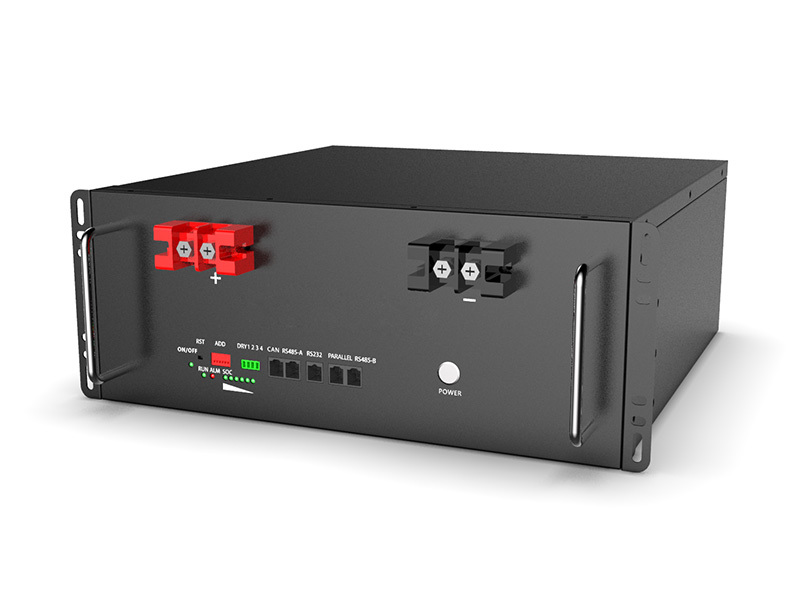
Top Reasons to Switch to RV Lithium Batteries for Your Next Camping Trip
Camping offers a unique opportunity to connect with nature while enjoying the comforts of home. However, to truly maximize your outdoor experience, the right equipment is essential. One of the most crucial components of any recreational vehicle (RV) is the battery system. In recent years, **lithium batteries** have emerged as a superior alternative to traditional lead-acid batteries. This article will explore the top reasons to switch to RV lithium batteries for your next camping trip, illustrating why they have become the go-to choice for RV enthusiasts.
Understanding RV Batteries: A Quick Overview
Before diving into the myriad benefits of lithium batteries, it's imperative to understand the different types of batteries available for RVs. The two primary categories include:
Lead-Acid Batteries
Lead-acid batteries have long been the standard in the RV community. They are affordable and accessible but come with numerous drawbacks:
- **Weight:** Lead-acid batteries are notoriously heavy, which can impact the overall weight of your RV.
- **Limited Lifespan:** These batteries typically last between 3 to 5 years, which can lead to frequent replacements.
- **Depth of Discharge:** Most lead-acid batteries should not be discharged below 50%. Doing so can significantly reduce their lifespan.
Lithium Batteries
Conversely, lithium batteries are relatively new to the RV market but offer a range of advantages that cater to modern camping needs:
- **Lightweight:** Lithium batteries weigh significantly less than their lead-acid counterparts, making them easier to handle and install.
- **Longer Lifespan:** With a lifespan of up to 10 years or more, lithium batteries offer long-term savings.
- **Deeper Discharge:** These batteries can be discharged up to 80% without affecting their lifespan, providing more usable power for your adventures.
Top Reasons to Choose RV Lithium Batteries
Now that we have a foundational understanding of battery types, let’s explore the top reasons to switch to RV lithium batteries for your next camping trip.
1. Superior Performance in Extreme Conditions
Lithium batteries excel in a variety of conditions. Whether you're camping in the hot sun or the cold wilderness, these batteries maintain their performance. They operate efficiently in temperatures ranging from -4°F to 140°F, unlike lead-acid batteries, which can fail in extreme conditions. This reliability ensures that your RV remains powered, no matter where your adventures take you.
2. Faster Charging Times
One of the most significant advantages of lithium batteries is their rapid charging capabilities. While lead-acid batteries can take up to 12 hours to charge fully, lithium batteries can often be charged in just a few hours. This means less downtime and more time enjoying your camping experience. The quick charging ability can also be a lifesaver during short stops.
3. Enhanced Energy Efficiency
Lithium batteries boast greater energy efficiency compared to traditional batteries. They have a lower self-discharge rate, meaning they hold their charge longer, even when not in use. This efficiency translates to longer-lasting power while you're out camping, enabling you to run multiple devices and appliances without worrying about draining your battery.
4. Eco-Friendly Option
As environmental consciousness grows, many RV owners are seeking greener alternatives. Lithium batteries are a more sustainable option because they are recyclable and typically contain fewer harmful materials than lead-acid batteries. Making the switch not only benefits your camping experience but also reduces your carbon footprint.
5. Improved Weight Distribution
The lightweight nature of lithium batteries offers significant advantages in terms of weight distribution within your RV. This feature can improve fuel efficiency, handling, and overall driving comfort. With less weight to carry, your RV will perform better on the road, making your journey smoother and more enjoyable.
6. Cost-Effectiveness Over Time
While the upfront cost of lithium batteries is higher than lead-acid batteries, they offer substantial savings in the long run. Their extended lifespan and reduced need for replacements make them a more cost-effective investment. Additionally, lower maintenance requirements further enhance their financial viability.
7. Compatibility with Solar Energy Systems
For those who enjoy extended trips or off-grid camping, lithium batteries integrate seamlessly with solar power systems. They are designed to work efficiently with solar panels, allowing you to harness renewable energy to keep your batteries charged. This synergy not only provides a dependable power source but also enhances your overall camping experience.
8. Minimal Maintenance Requirements
Lithium batteries require significantly less maintenance than lead-acid options. There’s no need for regular water checks or equalization charges, allowing you to focus on enjoying your camping trip rather than worrying about your battery upkeep. This feature is particularly beneficial for novice RV owners who may not be familiar with battery maintenance protocols.
How to Choose the Right Lithium Battery for Your RV
Selecting the right lithium battery for your RV is crucial for optimizing performance. Consider the following factors when making your decision:
1. Battery Capacity and Size
Battery capacity is measured in amp-hours (Ah). Choose a battery that meets your energy needs based on the appliances you plan to use during your trip. It's essential to calculate your power requirements and select a battery that can handle them without strain.
2. Brand and Warranty
Quality matters. Research reputable brands known for their reliable lithium batteries. A good warranty can also provide peace of mind, ensuring that you are covered in case of any issues.
3. Weight Considerations
While lithium batteries are lighter than lead-acid batteries, different models still vary in weight. Ensure that your chosen battery fits within your RV’s weight limits and doesn’t compromise safety or vehicle stability.
Installation Tips for RV Lithium Batteries
Installing lithium batteries in your RV can be a straightforward process if you follow these guidelines:
1. Gather Necessary Tools
Before beginning installation, ensure you have all the required tools, including a wrench, wire cutters, and connectors.
2. Disconnect Your RV’s Power Supply
Safety first! Always disconnect your RV’s power supply before beginning any battery installation to prevent electrical shocks.
3. Remove Old Batteries
Carefully remove any old batteries, making sure to follow proper disposal guidelines for lead-acid batteries.
4. Connect the Lithium Battery
Follow the manufacturer's instructions for connecting the new lithium battery. Ensure that the positive and negative terminals are correctly connected to avoid damage.
5. Test the System
Once installed, test the system to ensure everything is functioning correctly. Monitor the battery levels and ensure proper charging.
FAQs about RV Lithium Batteries
1. How long do lithium batteries last in RVs?
Lithium batteries can last up to 10 years or more, depending on usage and maintenance. This longevity greatly surpasses the lifespan of lead-acid batteries.
2. Can I use solar panels with lithium batteries?
Yes, lithium batteries work exceptionally well with solar panels, making them an ideal choice for off-grid camping.
3. Are lithium batteries safe for RV use?
Absolutely. Lithium batteries are considered safe for RV use, provided they are installed and maintained according to the manufacturer's guidelines.
4. What is the typical charging time for lithium batteries?
Lithium batteries can typically be charged in 2 to 5 hours, depending on the charger’s specifications and the battery size.
5. Do lithium batteries require special chargers?
Yes, lithium batteries should be charged with a charger specifically designed for lithium technology to ensure safety and optimal performance.
Conclusion
Switching to RV lithium batteries can significantly enhance your camping experience. With superior performance, faster charging times, enhanced energy efficiency, and reduced maintenance, lithium batteries are the smarter choice for modern RV travelers. Their eco-friendly nature and compatibility with solar systems make them not only a practical but also a responsible option. By investing in lithium batteries, you’re not just improving your RV’s performance; you’re also ensuring that your camping trips are enjoyable, efficient, and environmentally conscious. Make the switch today and embark on your next adventure with confidence!
Key words:
Previous:
Related News


Online consultation

Free consultation
All rights reserved©UNIQUE
Business License
Power by:www.300.cn | SEO | Privacy Policy