Welcome to UNIQUE!
Understanding the Advantages of 76.8V Motorcycle Lithium Batteries
In recent years, the adoption of lithium batteries in the motorcycle industry has gained significant traction, particularly with the 76.8V model. This specific voltage configuration offers several advantages that make it an appealing choice for electric motorcycles. Understanding these benefits is crucial for professionals looking to enhance performance and efficiency in their designs and applicat
2025-12-05
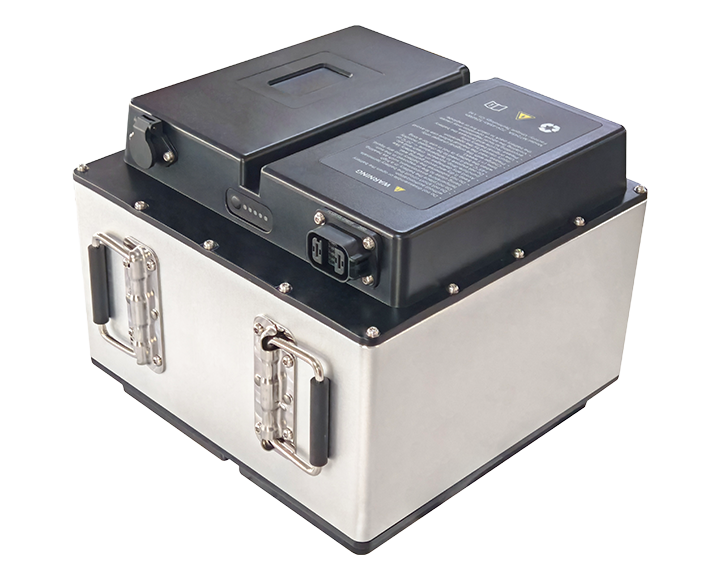
In recent years, the adoption of lithium batteries in the motorcycle industry has gained significant traction, particularly with the 76.8V model. This specific voltage configuration offers several advantages that make it an appealing choice for electric motorcycles. Understanding these benefits is crucial for professionals looking to enhance performance and efficiency in their designs and applications.
One of the primary advantages of 76.8V motorcycle lithium batteries is their high energy density. Lithium batteries are known for storing more energy in a smaller and lighter package compared to traditional lead-acid batteries. This leads to a reduction in overall vehicle weight, which can significantly improve acceleration and handling. Additionally, the lighter weight allows for a more efficient design, enabling manufacturers to optimize the motorcycle's balance and stability.
Another critical aspect is the discharge and charge rates. Lithium batteries, including the 76.8V model, typically provide higher discharge rates than their lead-acid counterparts. This feature is particularly beneficial for motorcycles that require quick bursts of power, such as during acceleration. Furthermore, the faster charging capabilities of lithium batteries mean that riders can spend less time waiting for their bikes to recharge, enhancing overall convenience and usability.
The longevity of 76.8V lithium motorcycle batteries is another notable benefit. Lithium-ion technology enables these batteries to endure many more charge cycles before experiencing a significant decline in performance. This longevity translates to lower maintenance costs and less frequent replacements, making them a financially attractive option in the long run. Professionals involved in battery design and manufacturing should note that employing high-quality battery management systems (BMS) can further enhance the lifespan and reliability of these batteries.
Safety is a paramount concern in the motorcycle industry, and lithium batteries have made significant strides in this area. Modern 76.8V lithium batteries come equipped with advanced thermal management systems and protective circuitry, minimizing risks associated with overheating and short-circuiting. This focus on safety not only protects the rider but also instills confidence in potential customers.
In conclusion, the 76.8V motorcycle lithium battery represents a significant advancement in electric motorcycle technology. Its high energy density, enhanced performance characteristics, longevity, and safety features make it a compelling choice for professionals in the electrical engineering and battery industries. As the market for electric motorcycles continues to grow, understanding the intricacies of lithium battery technology will be essential for those looking to stay ahead in this competitive field.
One of the primary advantages of 76.8V motorcycle lithium batteries is their high energy density. Lithium batteries are known for storing more energy in a smaller and lighter package compared to traditional lead-acid batteries. This leads to a reduction in overall vehicle weight, which can significantly improve acceleration and handling. Additionally, the lighter weight allows for a more efficient design, enabling manufacturers to optimize the motorcycle's balance and stability.
Another critical aspect is the discharge and charge rates. Lithium batteries, including the 76.8V model, typically provide higher discharge rates than their lead-acid counterparts. This feature is particularly beneficial for motorcycles that require quick bursts of power, such as during acceleration. Furthermore, the faster charging capabilities of lithium batteries mean that riders can spend less time waiting for their bikes to recharge, enhancing overall convenience and usability.
The longevity of 76.8V lithium motorcycle batteries is another notable benefit. Lithium-ion technology enables these batteries to endure many more charge cycles before experiencing a significant decline in performance. This longevity translates to lower maintenance costs and less frequent replacements, making them a financially attractive option in the long run. Professionals involved in battery design and manufacturing should note that employing high-quality battery management systems (BMS) can further enhance the lifespan and reliability of these batteries.
Safety is a paramount concern in the motorcycle industry, and lithium batteries have made significant strides in this area. Modern 76.8V lithium batteries come equipped with advanced thermal management systems and protective circuitry, minimizing risks associated with overheating and short-circuiting. This focus on safety not only protects the rider but also instills confidence in potential customers.
In conclusion, the 76.8V motorcycle lithium battery represents a significant advancement in electric motorcycle technology. Its high energy density, enhanced performance characteristics, longevity, and safety features make it a compelling choice for professionals in the electrical engineering and battery industries. As the market for electric motorcycles continues to grow, understanding the intricacies of lithium battery technology will be essential for those looking to stay ahead in this competitive field.
Key words:
Related News


Online consultation

Free consultation
All rights reserved©UNIQUE
Business License
Power by:www.300.cn | SEO | Privacy Policy