Welcome to UNIQUE!
The Future of Material Handling: Energy Storage Batteries for Forklifts Explained
2025-12-07
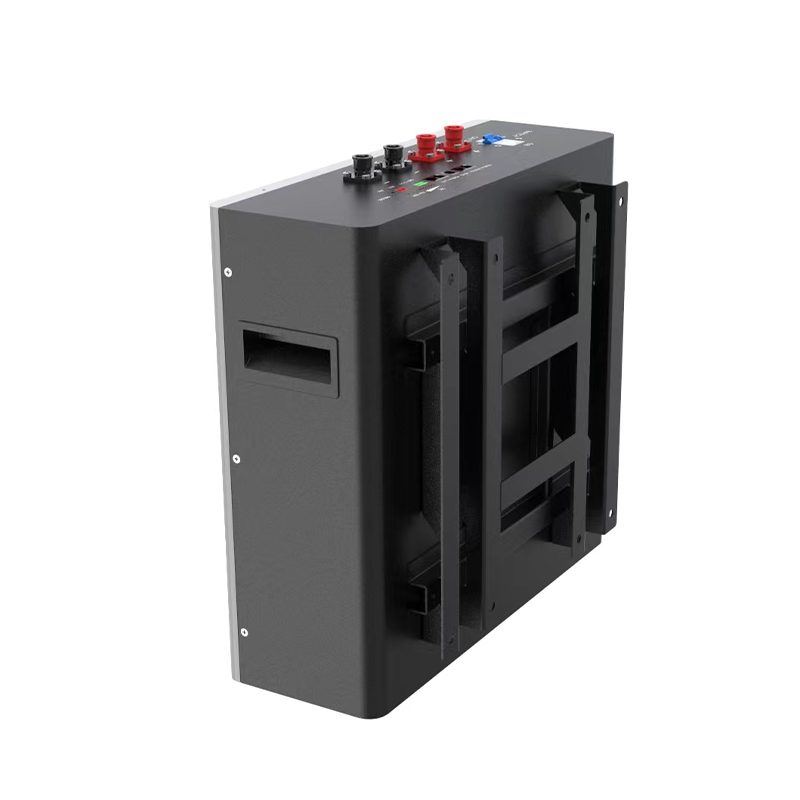
The Future of Material Handling: Energy Storage Batteries for Forklifts Explained
In today’s fast-paced industrial landscape, the need for efficient and sustainable material handling solutions has never been greater. As businesses strive to minimize operational costs and enhance productivity, energy storage batteries for forklifts are emerging as a game-changer. This article delves into the pivotal role of energy storage batteries in forklifts, explaining their types, advantages, and the future trends that will shape the material handling industry.
Table of Contents
- Understanding Energy Storage Batteries
- Types of Energy Storage Batteries for Forklifts
- Advantages of Using Energy Storage Batteries in Forklifts
- Sustainability and Environmental Impact
- Technological Advancements in Battery Technology
- Applications of Energy Storage Batteries in Material Handling
- Challenges and Limitations of Energy Storage Batteries
- The Future of Forklift Battery Technology
- Frequently Asked Questions
Understanding Energy Storage Batteries
Energy storage batteries play a critical role in powering forklifts, which are indispensable tools in warehouses and distribution centers. These batteries store electrical energy and release it when needed, providing the necessary power for forklifts to operate efficiently. Understanding how these batteries function is the first step toward appreciating their importance in material handling.
How Do Energy Storage Batteries Work?
Energy storage batteries convert chemical energy into electrical energy through electrochemical reactions. When a battery is charged, electrical energy is stored in the form of chemical potential. During operation, this stored energy is released to power the forklift's electric motor. Efficient energy management and advanced battery management systems are essential for maximizing the lifespan and performance of these batteries.
Types of Energy Storage Batteries for Forklifts
Forklifts can utilize various types of energy storage batteries, each with distinct characteristics suited for specific applications. The most common types include:
Lithium-Ion Batteries
Lithium-ion batteries are rapidly gaining popularity due to their high energy density, lightweight design, and long lifespan. These batteries offer fast charging capabilities, allowing for quick turnaround times in busy operations. Moreover, lithium-ion batteries require minimal maintenance, making them an ideal choice for modern material handling.
Lead-Acid Batteries
Lead-acid batteries have been the traditional power source for forklifts for decades. They are reliable, cost-effective, and widely available. However, lead-acid batteries are heavier and require regular maintenance, including watering and equalizing charges. While they have a shorter lifespan compared to lithium-ion batteries, they are still a prevalent choice for many businesses.
Nickel-Cadmium Batteries
Nickel-cadmium (NiCd) batteries offer good performance in extreme temperatures and have a longer cycle life than lead-acid batteries. They are also capable of high discharge rates. However, the use of cadmium raises environmental concerns, which has limited their popularity compared to lithium-ion and lead-acid alternatives.
Advantages of Using Energy Storage Batteries in Forklifts
The adoption of energy storage batteries in forklifts presents numerous advantages that contribute to improved operational efficiency and reduced costs.
Increased Efficiency and Productivity
Energy storage batteries, particularly lithium-ion types, allow for faster charging and longer operating times, minimizing downtime. This increased efficiency translates to higher productivity levels in warehouses and distribution centers.
Cost Savings
While the initial investment in lithium-ion batteries may be higher, their longevity and reduced maintenance costs can lead to significant savings over time. Businesses can also benefit from lower energy costs, as these batteries are more efficient than traditional lead-acid options.
Enhanced Safety Features
Modern energy storage batteries come equipped with advanced safety features, such as thermal management systems and smart battery management systems, reducing the risk of overheating and improving overall safety in the workplace.
Sustainability and Environmental Impact
As sustainability becomes a focal point for businesses, energy storage batteries provide a greener alternative to traditional power sources.
Reduced Carbon Footprint
Energy storage batteries, especially lithium-ion, contribute to a significant reduction in greenhouse gas emissions. By switching to electric forklifts powered by these batteries, companies can lower their carbon footprint and enhance their sustainability efforts.
Recycling and Life Cycle Management
Many manufacturers are now focusing on recycling programs for batteries, ensuring that materials are reused and reducing waste. The recycling of lithium-ion batteries is becoming increasingly efficient, which supports sustainable practices in the material handling industry.
Technological Advancements in Battery Technology
Continuous advancements in battery technology are transforming the capabilities and applications of energy storage batteries in forklifts.
Smart Battery Management Systems
Innovative battery management systems allow for real-time monitoring of battery health, charge levels, and performance metrics. These systems enable better energy management, extending battery life and optimizing performance.
Faster Charging Solutions
Advancements in charging technology have led to ultra-fast chargers that can significantly reduce downtime. Quick charging options allow forklifts to be back in operation swiftly, maximizing productivity in high-demand environments.
Applications of Energy Storage Batteries in Material Handling
Energy storage batteries find applications across various sectors within the material handling industry.
Warehousing and Distribution
In large warehouses, energy storage batteries power electric forklifts that efficiently move goods, manage inventory, and streamline operations. Their ability to operate indoors without producing harmful emissions makes them ideal for indoor environments.
Manufacturing Facilities
Manufacturing facilities benefit from energy storage batteries as they can reduce the overall energy consumption while providing reliable power to forklifts used in production lines. The ability to integrate these batteries with renewable energy sources further enhances sustainability.
Challenges and Limitations of Energy Storage Batteries
Despite their numerous advantages, there are challenges and limitations associated with energy storage batteries that businesses must consider.
Initial Investment Cost
The upfront cost of lithium-ion batteries can be prohibitive for some companies. However, it is essential to weigh this against the long-term savings and efficiency improvements they offer.
Battery Disposal and Environmental Concerns
While recycling programs are advancing, the disposal of energy storage batteries remains a concern. Companies must ensure they comply with regulations and support environmentally sound practices for battery life cycle management.
The Future of Forklift Battery Technology
The future of energy storage batteries in forklifts looks promising, driven by technological innovation and evolving market demands.
Integration with Automation and AI
As the material handling industry increasingly embraces automation and AI, energy storage batteries will play a critical role in powering advanced robotic systems. This integration will lead to further optimization of operations and efficiency.
Expansion of Renewable Energy Solutions
The synergy between energy storage batteries and renewable energy sources, such as solar and wind power, will become more prominent. Businesses will increasingly focus on sustainability, utilizing renewable energy for charging their forklift batteries.
Frequently Asked Questions
1. What is the lifespan of energy storage batteries for forklifts?
The lifespan varies based on the type of battery and usage. Generally, lithium-ion batteries last between 5 to 10 years, while lead-acid batteries can last 3 to 7 years with proper maintenance.
2. How long does it take to charge a forklift battery?
Charging times vary by battery type. Lithium-ion batteries can be charged in as little as 1 to 2 hours, while lead-acid batteries typically take 6 to 8 hours to charge fully.
3. Are energy storage batteries more efficient than traditional power sources?
Yes, energy storage batteries, particularly lithium-ion, are more efficient, offering better energy density, faster charging, and a longer lifespan compared to traditional lead-acid batteries.
4. Can energy storage batteries be recycled?
Yes, many energy storage batteries can be recycled. Manufacturers are increasingly implementing recycling programs to recover materials and minimize environmental impact.
5. What are the environmental benefits of using energy storage batteries?
Using energy storage batteries reduces greenhouse gas emissions, lowers energy consumption, and promotes sustainable practices through recycling and life cycle management.
Conclusion
The evolution of energy storage batteries for forklifts marks a significant turning point in the material handling industry. With their numerous advantages, including increased efficiency, cost savings, and sustainability, these batteries are set to shape the future of logistics and warehousing. As technology continues to advance, energy storage solutions will not only enhance operational performance but also contribute to a greener, more sustainable future. Companies that embrace these innovations will be well-positioned to thrive in the competitive landscape of material handling.
Key words:
Related News


Online consultation

Free consultation
All rights reserved©UNIQUE
Power by:www.300.cn | SEO | Privacy Policy