Welcome to UNIQUE!
Understanding RV Deep Cycle Batteries: A Comprehensive Guide for Professionals
When it comes to powering recreational vehicles (RVs), deep cycle batteries are a critical component that professionals in the consumer electronics sector must understand. Unlike standard car batteries, which are designed for short bursts of energy to start engines, RV deep cycle batteries are engineered to provide sustained energy over extended periods. This makes them ideal for applications wher
2025-12-01
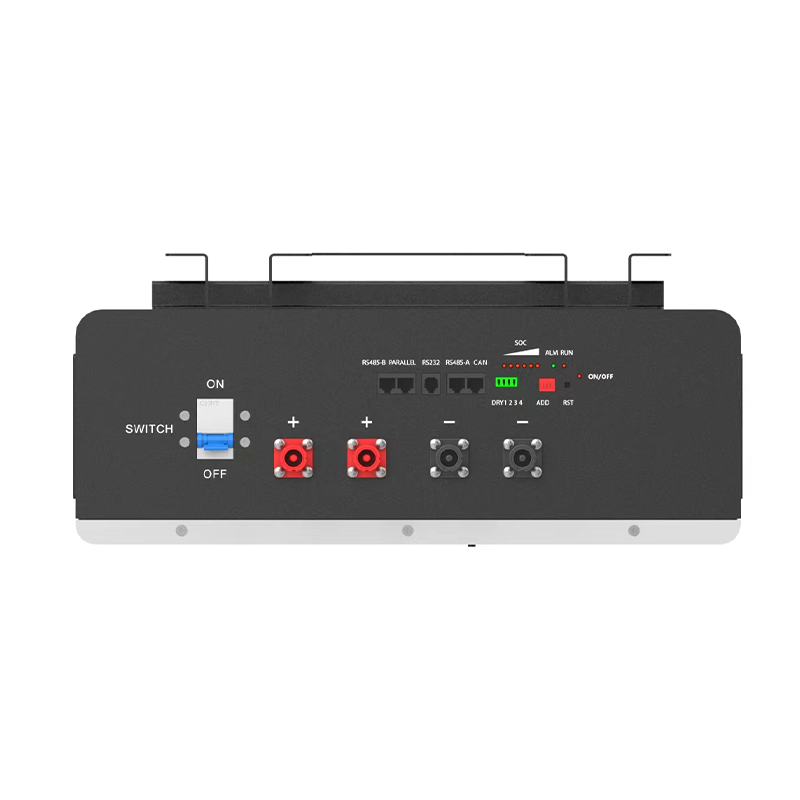
When it comes to powering recreational vehicles (RVs), deep cycle batteries are a critical component that professionals in the consumer electronics sector must understand. Unlike standard car batteries, which are designed for short bursts of energy to start engines, RV deep cycle batteries are engineered to provide sustained energy over extended periods. This makes them ideal for applications where consistent power is required, such as running appliances and lights while off-grid.
A deep cycle battery is characterized by its ability to be discharged and recharged multiple times without significant degradation. Typically, these batteries use lead-acid technology, although newer options like lithium-ion batteries are gaining popularity due to their lighter weight and higher energy density. Understanding the differences between these technologies will help professionals guide their clients in selecting the right battery type for their RV needs.
One of the key features of RV deep cycle batteries is their capacity, measured in amp-hours (Ah). This rating indicates how much energy the battery can store and how long it can power devices before needing a recharge. For instance, a 100Ah battery can theoretically power a 100-watt device for 1,000 watt-hours or approximately 10 hours. It’s essential to match the battery capacity to the energy requirements of the RV’s appliances to ensure reliable performance.
Moreover, RV deep cycle batteries are available in two main types: flooded lead-acid and sealed (AGM or gel) batteries. Flooded lead-acid batteries are more affordable but require regular maintenance, such as checking the electrolyte levels. In contrast, sealed batteries are maintenance-free, resistant to spills, and can be installed in any position, making them a more convenient option for many RVers.
When it comes to charging, professionals should advise clients on the importance of using the correct charger for deep cycle batteries. A smart charger can optimize the charging process, prolonging battery life and ensuring that the battery maintains its performance over time. Additionally, it's crucial to avoid discharging a deep cycle battery below 50% of its capacity to prevent permanent damage.
Finally, regular maintenance is key to ensuring longevity. This includes periodic inspections, cleaning terminals, and ensuring proper ventilation when charging. Educating clients about these practices can significantly enhance their battery's lifespan and performance.
In conclusion, RV deep cycle batteries are vital for any RV enthusiast looking to enjoy the freedom of off-grid living. By understanding their features, types, and maintenance needs, professionals can provide valuable insights to customers, helping them make informed decisions that suit their energy requirements effectively.
A deep cycle battery is characterized by its ability to be discharged and recharged multiple times without significant degradation. Typically, these batteries use lead-acid technology, although newer options like lithium-ion batteries are gaining popularity due to their lighter weight and higher energy density. Understanding the differences between these technologies will help professionals guide their clients in selecting the right battery type for their RV needs.
One of the key features of RV deep cycle batteries is their capacity, measured in amp-hours (Ah). This rating indicates how much energy the battery can store and how long it can power devices before needing a recharge. For instance, a 100Ah battery can theoretically power a 100-watt device for 1,000 watt-hours or approximately 10 hours. It’s essential to match the battery capacity to the energy requirements of the RV’s appliances to ensure reliable performance.
Moreover, RV deep cycle batteries are available in two main types: flooded lead-acid and sealed (AGM or gel) batteries. Flooded lead-acid batteries are more affordable but require regular maintenance, such as checking the electrolyte levels. In contrast, sealed batteries are maintenance-free, resistant to spills, and can be installed in any position, making them a more convenient option for many RVers.
When it comes to charging, professionals should advise clients on the importance of using the correct charger for deep cycle batteries. A smart charger can optimize the charging process, prolonging battery life and ensuring that the battery maintains its performance over time. Additionally, it's crucial to avoid discharging a deep cycle battery below 50% of its capacity to prevent permanent damage.
Finally, regular maintenance is key to ensuring longevity. This includes periodic inspections, cleaning terminals, and ensuring proper ventilation when charging. Educating clients about these practices can significantly enhance their battery's lifespan and performance.
In conclusion, RV deep cycle batteries are vital for any RV enthusiast looking to enjoy the freedom of off-grid living. By understanding their features, types, and maintenance needs, professionals can provide valuable insights to customers, helping them make informed decisions that suit their energy requirements effectively.
Key words:
Related News


Online consultation

Free consultation
All rights reserved©UNIQUE
Business License
Power by:www.300.cn | SEO | Privacy Policy