Welcome to UNIQUE!
Comparing Lead-Acid vs. 48V Lithium Batteries for Golf Carts: Which is Better?
Comparing Lead-Acid vs. 48V Lithium Batteries for Golf Carts: Which is Better?
Table of Contents
1. Introduction
2. Understanding Battery Types
2.1 Lead-Acid Batteries
2.2 48V Lithium Batteries
3. Performance Comparison
3.1 Power Output and Efficiency
3.2 Charging Times
4. Lifespan and Durability
5. Cost Analysis
6. Environmental Impact
7.
2026-05-20
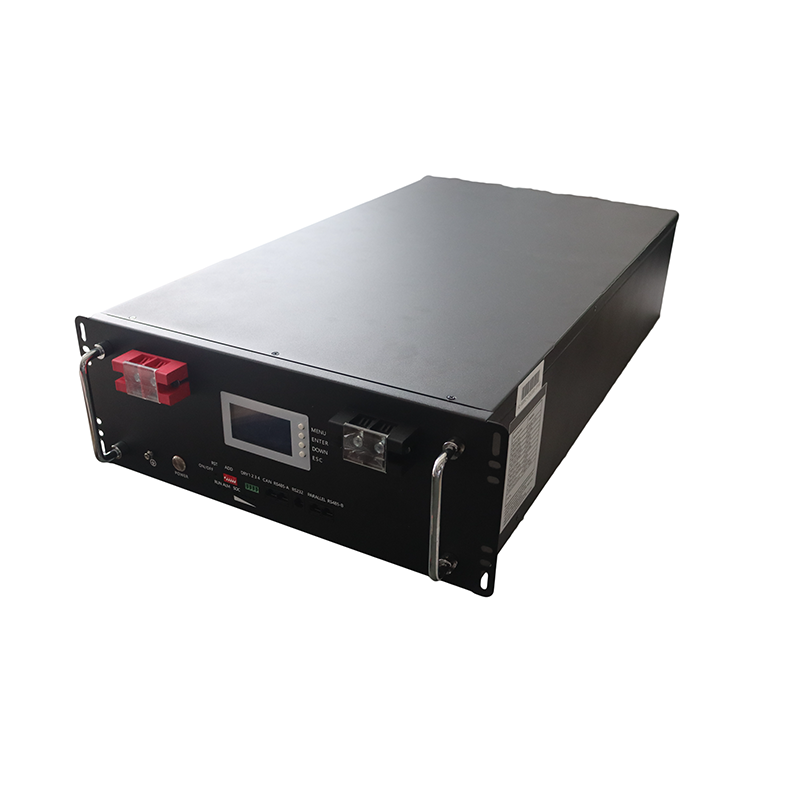
Comparing Lead-Acid vs. 48V Lithium Batteries for Golf Carts: Which is Better?
Table of Contents
- 1. Introduction
- 2. Understanding Battery Types
- 3. Performance Comparison
- 4. Lifespan and Durability
- 5. Cost Analysis
- 6. Environmental Impact
- 7. Which is Better for Your Golf Cart?
- 8. Frequently Asked Questions
- 9. Conclusion
1. Introduction
In the world of golf carts, choosing the right battery is crucial for optimal performance and longevity. While lead-acid batteries have traditionally dominated the market, 48V lithium batteries are rapidly gaining popularity due to their numerous advantages. This article aims to compare these two battery types comprehensively, helping you make an informed decision for your golf cart.
2. Understanding Battery Types
When it comes to powering golf carts, understanding the two leading battery technologies is essential.
2.1 Lead-Acid Batteries
Lead-acid batteries have been the go-to choice for golf carts for decades. They consist of lead dioxide and sponge lead, submerged in sulfuric acid. These batteries are known for their reliability and affordability. However, they come with certain limitations that users should be aware of.
2.2 48V Lithium Batteries
48V lithium batteries, on the other hand, are a more modern solution. Utilizing lithium-ion technology, they offer superior performance, longer lifespan, and faster charging capabilities. Although they generally come with a higher upfront cost, their benefits often outweigh the initial investment.
3. Performance Comparison
When evaluating batteries, performance is a critical factor. Let's delve into how lead-acid and lithium batteries stack up against each other in terms of power and efficiency.
3.1 Power Output and Efficiency
Lead-acid batteries typically provide a lower energy density compared to lithium batteries. While a lead-acid battery may deliver around 100-150 amp-hours (Ah), a 48V lithium battery can offer the same energy output in a lighter, more compact design. This means lithium batteries can power your golf cart for longer periods without needing a recharge.
3.2 Charging Times
Charging time is another crucial performance metric. Lead-acid batteries can take several hours to fully charge, often requiring overnight charging. In contrast, 48V lithium batteries can achieve a full charge in just a couple of hours, making them far more convenient for frequent users.
4. Lifespan and Durability
Battery lifespan is a significant consideration when comparing lead-acid and lithium batteries.
Lead-acid batteries generally have a lifespan of 3-5 years, depending on usage and care. However, they can be sensitive to overcharging and deep discharging, which may shorten their overall lifespan.
In contrast, 48V lithium batteries can last anywhere from 8 to 12 years or more with proper maintenance. They are more resistant to the damaging effects of deep cycling, making them a more durable option for avid golfers.
5. Cost Analysis
While lead-acid batteries are initially cheaper to purchase, the long-term costs often tell a different story.
Lead-acid batteries require regular maintenance, including electrolyte checks and topping off, which can add to overall ownership costs. Additionally, their shorter lifespan means you may need to replace them more frequently.
Conversely, although the upfront cost of 48V lithium batteries is higher, they offer lower maintenance needs and a longer lifespan, ultimately providing better value for money over time.
6. Environmental Impact
When considering battery options, it's essential to think about their environmental impacts.
Lead-acid batteries can be hazardous if not disposed of correctly, as they contain toxic lead and sulfuric acid. Recycling programs exist, but improper disposal can lead to environmental contamination.
In contrast, 48V lithium batteries are generally considered a greener option. They can be recycled more efficiently, and their lower environmental footprint during operation makes them a preferable choice for environmentally-conscious consumers.
7. Which is Better for Your Golf Cart?
Deciding between lead-acid and 48V lithium batteries ultimately depends on your specific needs and usage patterns. If you're a casual golfer who prefers a lower initial investment, lead-acid batteries may suffice. However, for regular users seeking efficiency, longevity, and reduced maintenance, 48V lithium batteries are undoubtedly the superior choice.
8. Frequently Asked Questions
1. How long does it take to charge each battery type?
Lead-acid batteries typically require 8-12 hours for a full charge, while 48V lithium batteries can charge in 2-4 hours.
2. Are lithium batteries safer than lead-acid batteries?
Yes, lithium batteries are generally considered safer due to their stable chemistry and built-in safety features, while lead-acid batteries pose risks if mishandled.
3. Can I use a lead-acid charger for lithium batteries?
No, using a lead-acid charger can damage lithium batteries. They require chargers specifically designed for lithium technology.
4. What is the weight difference between the two types of batteries?
48V lithium batteries are significantly lighter than lead-acid batteries, often weighing up to 50% less for the same energy capacity.
5. Do lithium batteries require maintenance?
Lithium batteries require little to no maintenance compared to lead-acid batteries, which need regular water checks and maintenance.
9. Conclusion
Choosing the right battery for your golf cart involves careful consideration of various factors, including performance, lifespan, cost, and environmental impact. While lead-acid batteries may appeal to budget-conscious users, the advantages of 48V lithium batteries—such as longer lifespan, faster charging times, and lower maintenance—make them the superior choice for dedicated golfers. By investing in the right battery for your needs, you can enhance your golfing experience and ensure that your golf cart operates at its best for years to come.
Key words:
Related News


Online consultation

Free consultation
All rights reserved©UNIQUE
Business License
Power by:www.300.cn | SEO | Privacy Policy