Welcome to UNIQUE!
Unlocking Efficiency: The Advantages of Lithium Batteries in Forklifts
In the world of material handling, forklifts are essential for transporting goods and streamlining warehouse operations. One of the most significant advancements in this field is the adoption of lithium batteries for forklifts, which have revolutionized how businesses approach power solutions. Lithium batteries offer several advantages over traditional lead-acid batteries, making them a popular ch
2026-03-07
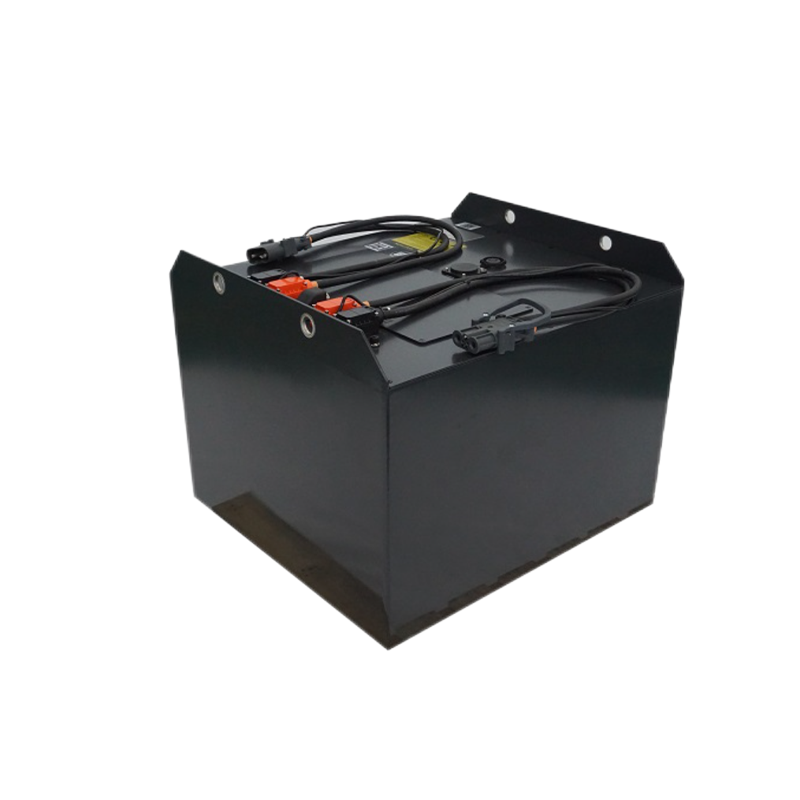
In the world of material handling, forklifts are essential for transporting goods and streamlining warehouse operations. One of the most significant advancements in this field is the adoption of lithium batteries for forklifts, which have revolutionized how businesses approach power solutions. Lithium batteries offer several advantages over traditional lead-acid batteries, making them a popular choice in electric forklifts.
One of the primary benefits of lithium batteries in forklifts is their exceptional energy density. This means that lithium batteries can store more energy in a smaller and lighter package compared to lead-acid options. As a result, forklifts powered by lithium batteries can operate for longer periods without needing to recharge, significantly increasing productivity and reducing downtime. This capability is particularly advantageous in high-demand environments where efficiency is paramount.
Moreover, lithium batteries have a much faster charging time compared to traditional battery types. Where lead-acid batteries may require several hours to recharge, lithium batteries can reach full charge in a fraction of that time. This rapid charging capability allows for more flexible operational schedules, enabling businesses to maximize their equipment usage without worrying about prolonged charging periods.
Another significant advantage of lithium batteries is their lifespan. Lithium batteries typically last two to three times longer than lead-acid batteries, leading to lower replacement costs and reduced maintenance requirements. This longevity not only contributes to cost savings but also minimizes the environmental impact associated with battery disposal.
Safety is another crucial factor to consider when evaluating power solutions for forklifts. Lithium batteries have built-in safety features that help protect against overheating and overcharging, reducing the risk of fire hazards. Additionally, they do not emit harmful gases like lead-acid batteries during operation, making them a safer option for enclosed spaces.
From a sustainability perspective, lithium batteries are also a better choice. They are more efficient in terms of energy usage, resulting in lower carbon footprints and reduced greenhouse gas emissions. As more companies strive to adopt greener practices, switching to lithium batteries can significantly enhance a business's sustainability profile.
In conclusion, incorporating lithium batteries into forklift operations can lead to improved efficiency, reduced operational costs, and a smaller environmental impact. As businesses seek to optimize their material handling processes, the advantages of lithium technology present a compelling case for making the switch. By choosing lithium batteries for forklifts, companies can ensure they are not only enhancing productivity but also contributing to a more sustainable future.
One of the primary benefits of lithium batteries in forklifts is their exceptional energy density. This means that lithium batteries can store more energy in a smaller and lighter package compared to lead-acid options. As a result, forklifts powered by lithium batteries can operate for longer periods without needing to recharge, significantly increasing productivity and reducing downtime. This capability is particularly advantageous in high-demand environments where efficiency is paramount.
Moreover, lithium batteries have a much faster charging time compared to traditional battery types. Where lead-acid batteries may require several hours to recharge, lithium batteries can reach full charge in a fraction of that time. This rapid charging capability allows for more flexible operational schedules, enabling businesses to maximize their equipment usage without worrying about prolonged charging periods.
Another significant advantage of lithium batteries is their lifespan. Lithium batteries typically last two to three times longer than lead-acid batteries, leading to lower replacement costs and reduced maintenance requirements. This longevity not only contributes to cost savings but also minimizes the environmental impact associated with battery disposal.
Safety is another crucial factor to consider when evaluating power solutions for forklifts. Lithium batteries have built-in safety features that help protect against overheating and overcharging, reducing the risk of fire hazards. Additionally, they do not emit harmful gases like lead-acid batteries during operation, making them a safer option for enclosed spaces.
From a sustainability perspective, lithium batteries are also a better choice. They are more efficient in terms of energy usage, resulting in lower carbon footprints and reduced greenhouse gas emissions. As more companies strive to adopt greener practices, switching to lithium batteries can significantly enhance a business's sustainability profile.
In conclusion, incorporating lithium batteries into forklift operations can lead to improved efficiency, reduced operational costs, and a smaller environmental impact. As businesses seek to optimize their material handling processes, the advantages of lithium technology present a compelling case for making the switch. By choosing lithium batteries for forklifts, companies can ensure they are not only enhancing productivity but also contributing to a more sustainable future.
Key words:


Online consultation

Free consultation
All rights reserved©UNIQUE
Business License
Power by:www.300.cn | SEO | Privacy Policy