Welcome to UNIQUE!
Essential Safety Tips for Handling 48V Lithium Battery Packs: A Comprehensive Guide
Essential Safety Tips for Handling 48V Lithium Battery Packs
Table of Contents
Understanding Lithium Batteries and Their Applications
Importance of Safety When Handling 48V Lithium Battery Packs
Essential Safety Tips for Handling 48V Lithium Battery Packs
Wearing Protective Gear
Proper Storage Techniques
Charging Safety Guidelines
2026-03-05
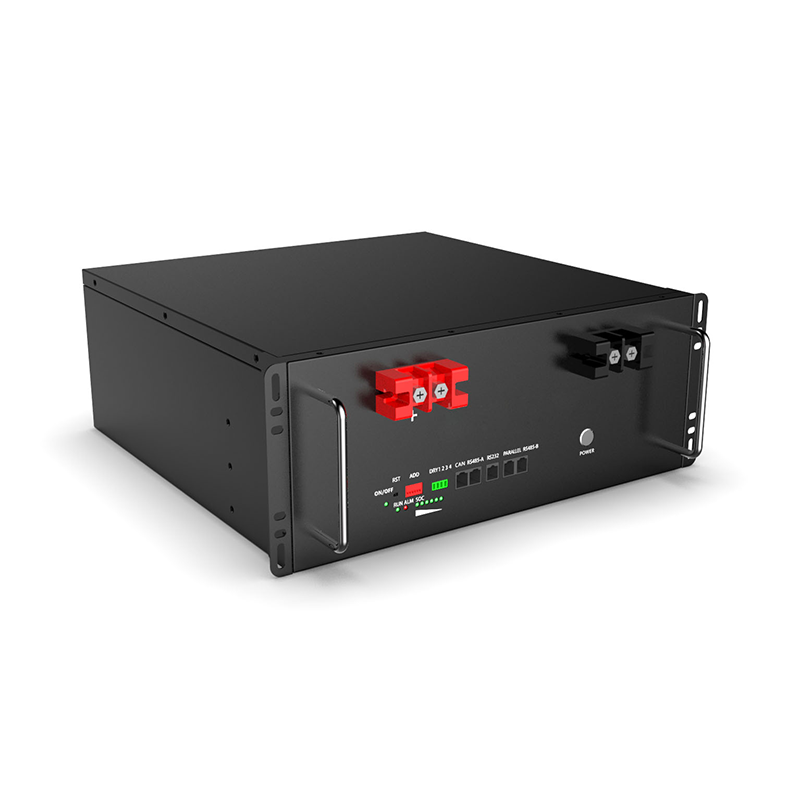
Essential Safety Tips for Handling 48V Lithium Battery Packs
Table of Contents
- Understanding Lithium Batteries and Their Applications
- Importance of Safety When Handling 48V Lithium Battery Packs
- Essential Safety Tips for Handling 48V Lithium Battery Packs
- Emergency Procedures for Lithium Battery Incidents
- Maintaining Battery Health for Longevity
- Environmental Considerations for Lithium Batteries
- Frequently Asked Questions
- Conclusion
Understanding Lithium Batteries and Their Applications
Lithium battery technology has transformed the landscape of energy storage, offering high energy density, lightweight construction, and a long cycle life. Specifically, **48V lithium battery packs** are commonly used in a variety of applications, including electric vehicles, renewable energy systems, and backup power supplies. Understanding the structure and functionality of these batteries is essential for safe handling.
A **48V lithium battery pack** typically consists of multiple lithium-ion cells configured to provide a stable and efficient power supply. These batteries are favored for their high discharge rates and ability to maintain performance over extended periods, making them ideal for demanding applications.
Importance of Safety When Handling 48V Lithium Battery Packs
Safety is paramount when dealing with **48V lithium battery packs**. The potential hazards associated with lithium batteries include fire, explosion, and chemical exposure. The unique properties of lithium make these batteries sensitive to physical damage, charging irregularities, and environmental conditions.
Understanding the risks allows users to implement preventative measures, ensuring a safer working environment and reducing the likelihood of accidents.
Essential Safety Tips for Handling 48V Lithium Battery Packs
Wearing Protective Gear
When handling **48V lithium battery packs**, wearing the correct protective gear is critical. Essential safety equipment includes:
- **Safety goggles** to protect your eyes from potential splashes or chemical leaks.
- **Gloves** that are resistant to chemical exposure, ensuring skin protection at all times.
- **Fire-resistant clothing** to mitigate the risk of burns in case of an incident.
Taking these precautions can significantly reduce the risk of injury.
Proper Storage Techniques
Storing **48V lithium battery packs** correctly is vital for safety and longevity. Here are some recommended storage practices:
1. **Cool and Dry Environment**: Store batteries in a temperature-controlled area that is free from moisture, avoiding extreme temperatures that may affect performance.
2. **Avoid Direct Sunlight**: Keep batteries out of direct sunlight, which can lead to overheating.
3. **Secure Shelving**: Use shelves that can support the weight of the battery packs and prevent tipping or falling.
4. **Label Storage Areas**: Clearly label storage locations so that all personnel can easily identify where batteries are stored.
5. **Regular Inspections**: Conduct routine inspections to check for signs of swelling, corrosion, or leakage. This proactive approach can help identify potential issues before they become serious problems.
Charging Safety Guidelines
Charging **48V lithium battery packs** requires attention to detail and adherence to safety protocols. Follow these guidelines to ensure safe charging:
- **Use Approved Chargers**: Always utilize chargers specifically designed for lithium batteries. Mismatched chargers can lead to overcharging, overheating, or battery failure.
- **Monitor Charging Conditions**: Charge batteries in a well-ventilated area to disperse any gases that may be emitted during the charging process.
- **Avoid Overcharging**: Ensure that charging does not exceed the manufacturer’s recommended voltage, which can drastically increase the risk of fire.
- **Never Leave Unattended**: Do not leave batteries charging unattended for extended periods. Regularly check on the charging process to quickly address any irregularities.
Emergency Procedures for Lithium Battery Incidents
In the event of an emergency involving a **48V lithium battery pack**, having a clear action plan can make a significant difference. Here’s what to do:
1. **Identify the Emergency**: Recognize signs of overheating, swelling, or unusual odors as potential indicators of battery failure.
2. **Evacuate the Area**: If you suspect a fire or explosion, immediately evacuate everyone from the vicinity to ensure safety.
3. **Call Emergency Services**: If there is an uncontrollable fire, contact emergency services right away.
4. **Use Appropriate Fire Extinguishers**: If safe to do so, use a Class D fire extinguisher specifically designed for metal fires. Do not use water, as it can worsen the situation.
5. **Do Not Attempt to Handle Damaged Batteries**: Leave damaged batteries to professionals who are trained in hazardous materials handling.
Maintaining Battery Health for Longevity
Proper maintenance is crucial for extending the life of your **48V lithium battery packs**. Follow these tips:
- **Regular Charging Cycles**: Avoid allowing the battery to fully discharge before recharging. Keeping the battery within a 20-80% charge range is ideal for longevity.
- **Temperature Management**: Keep batteries in a temperature-controlled environment to avoid damage due to heat or cold.
- **Clean Contacts Regularly**: Ensure that battery terminals are clean and free from corrosion. This prevents power loss and maintains efficiency.
- **Use Battery Management Systems**: Employ battery management systems (BMS) that monitor cell voltages, temperatures, and overall health, providing early warnings of potential issues.
Environmental Considerations for Lithium Batteries
Lithium batteries pose environmental challenges if not disposed of correctly. To minimize ecological impact:
- **Recycling Programs**: Participate in recycling programs specifically designed for lithium batteries to ensure they are disposed of responsibly.
- **Follow Local Regulations**: Adhere to local laws and guidelines regarding battery disposal and recycling to prevent environmental contamination.
- **Educate Others**: Raise awareness among peers and colleagues about the importance of proper disposal methods and environmental considerations.
Frequently Asked Questions
1. What is the lifespan of a 48V lithium battery pack?
The lifespan typically ranges from 5 to 15 years, depending on usage, maintenance, and charging practices.
2. How do I know if my lithium battery is damaged?
Signs include physical swelling, leaking, excessive heat, or unusual odors. If you notice any of these, cease use immediately.
3. Can lithium batteries be charged in cold temperatures?
Charging lithium batteries in extremely cold temperatures can reduce performance and damage the cells. It is advisable to charge them in a controlled environment.
4. Are there specific fire hazards associated with lithium batteries?
Yes, lithium batteries can catch fire or explode if punctured, overcharged, or exposed to extreme temperatures. Proper handling and storage are crucial.
5. What should I do if my battery starts smoking?
Immediately evacuate the area and contact emergency services. Do not attempt to handle the battery.
Conclusion
Handling **48V lithium battery packs** requires a thorough understanding of safety practices and protocols. By implementing the safety tips discussed in this guide, from wearing protective gear to adhering to proper storage and charging guidelines, you can significantly reduce the risks associated with these powerful energy storage systems. Additionally, being prepared for emergencies and maintaining battery health will not only ensure your safety but also enhance the longevity and efficiency of your lithium battery packs. Stay informed, vigilant, and safe in your endeavors with lithium battery technology.
Key words:


Online consultation

Free consultation
All rights reserved©UNIQUE
Business License
Power by:www.300.cn | SEO | Privacy Policy