Welcome to UNIQUE!
Choosing the Right Deep Cycle Battery for Your RV: Essential Insights for Owners
Choosing the Right Deep Cycle Battery for Your RV: Essential Insights for Owners
Table of Contents
Introduction to Deep Cycle Batteries
Understanding Deep Cycle Batteries
Types of Deep Cycle Batteries
Lead-Acid Batteries
Absorbed Glass Mat (AGM) Batteries
Lithium-Ion Batteries
Key Factors in Choosing a Deep Cycle Battery
2026-03-09
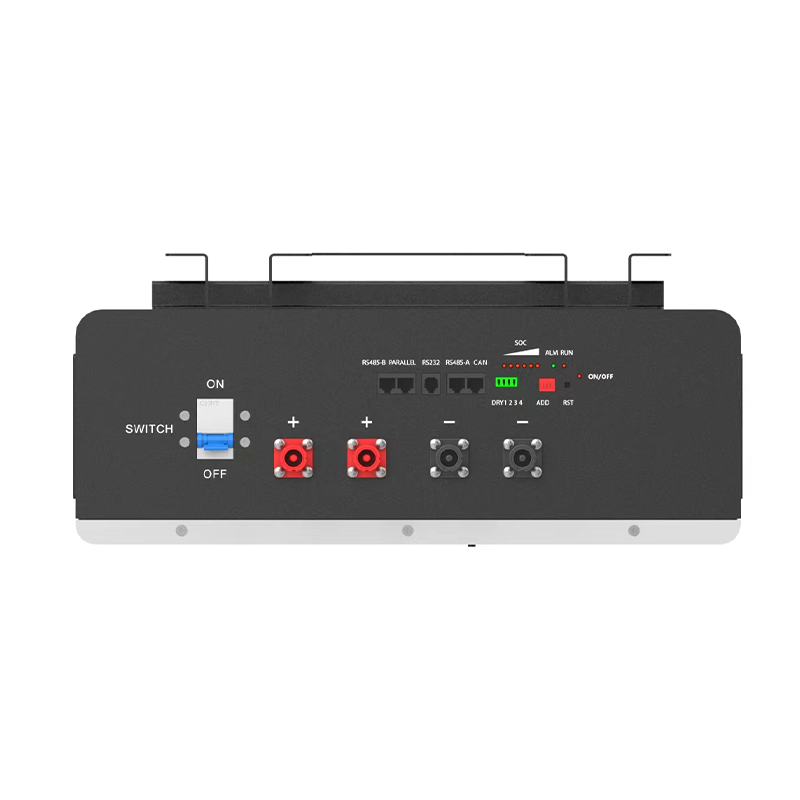
Choosing the Right Deep Cycle Battery for Your RV: Essential Insights for Owners
Table of Contents
- Introduction to Deep Cycle Batteries
- Understanding Deep Cycle Batteries
- Types of Deep Cycle Batteries
- Key Factors in Choosing a Deep Cycle Battery
- Capacity and Amp-Hour Rating
- Depth of Discharge (DoD)
- Size and Weight Considerations
- Incorporating Solar Energy
- Battery Maintenance Tips
- Top Brands and Recommendations
- Common FAQs
- Conclusion
Introduction to Deep Cycle Batteries
When it comes to powering your RV, choosing the right deep cycle battery is critical. Unlike standard car batteries designed for short bursts of energy, deep cycle batteries provide a steady amount of power over extended periods. This makes them ideal for RV owners who rely on their batteries for lights, appliances, and essential systems while off the grid. Understanding the different types of batteries available, their specifications, and maintenance needs can help you make an informed decision that keeps your RV running smoothly.
Understanding Deep Cycle Batteries
Deep cycle batteries are designed to be discharged and recharged multiple times, making them perfect for RV use. They store energy in chemical form, which is then converted into electrical power when needed. These batteries come in various types, each offering distinct advantages and disadvantages. Knowing which type best suits your needs is essential for optimal performance and longevity.
Types of Deep Cycle Batteries
There are three primary types of deep cycle batteries: lead-acid, absorbed glass mat (AGM), and lithium-ion. Each has unique characteristics that make them suitable for different applications.
Lead-Acid Batteries
Lead-acid batteries are the most traditional and widely used type of deep cycle battery. They are typically more affordable than their counterparts, making them an attractive option for budget-conscious RV owners. However, they require regular maintenance, including checking water levels and equalizing charges to ensure optimum performance. Lead-acid batteries can be further divided into flooded and sealed varieties, with flooded batteries requiring more upkeep.
Absorbed Glass Mat (AGM) Batteries
AGM batteries are a type of sealed lead-acid battery designed to minimize maintenance and improve safety. With a glass mat separating the plates, these batteries are spill-proof and can be mounted in various orientations. AGM batteries have a longer lifespan than traditional lead-acid batteries and can handle deeper discharges. However, they tend to be more expensive, making them a premium option.
Lithium-Ion Batteries
Lithium-ion batteries are becoming increasingly popular among RV owners due to their high energy density and lightweight design. They can be discharged to a greater depth without damaging the battery, offering a longer lifespan and significantly faster charging times. Despite their higher initial cost, lithium-ion batteries can save money in the long run due to their efficiency and reduced maintenance requirements.
Key Factors in Choosing a Deep Cycle Battery
When selecting a deep cycle battery for your RV, several factors come into play that can significantly impact your choice. Understanding these factors will ensure you make an informed decision.
Capacity and Amp-Hour Rating
The capacity of a deep cycle battery is measured in amp-hours (Ah), which indicates how much energy the battery can store and deliver over a specific period. For example, a 100Ah battery can provide 5 amps of current for 20 hours. RV owners should assess their power needs and choose a battery with a suitable Ah rating to meet those demands.
Depth of Discharge (DoD)
The depth of discharge refers to how much of the battery's capacity can be used before it needs recharging. Different battery types have varying maximum DoD levels. For instance, lead-acid batteries should not be discharged below 50%, while lithium-ion batteries can comfortably handle discharges up to 80% or more. Understanding DoD is crucial for battery longevity.
Size and Weight Considerations
The physical dimensions and weight of the battery are vital considerations for RV owners. Batteries come in various sizes and weights, and it's essential to ensure that the chosen battery fits in the designated space of your RV and does not exceed weight limits. Lithium-ion batteries typically offer a more compact and lightweight solution, which can free up valuable space for other essentials.
Incorporating Solar Energy
For RV owners looking to become more self-sufficient, solar energy is an excellent option. Pairing your deep cycle battery with a solar panel system can help maintain battery charge while parked in remote locations. It's essential to choose a battery compatible with solar charging, ensuring it can handle the energy input from your solar panels.
Battery Maintenance Tips
Proper maintenance can significantly extend the lifespan of your deep cycle battery. Here are some essential maintenance tips:
1. **Regularly Check Fluid Levels**: For lead-acid batteries, maintain the appropriate water level to prevent damage.
2. **Clean Terminals**: Ensure that battery terminals are clean and free from corrosion to ensure a proper connection.
3. **Monitor Charge Levels**: Regularly check the charge level of your battery and recharge it before it reaches a low state of charge.
4. **Use a Quality Battery Charger**: Invest in a high-quality charger that matches your battery type to prevent overcharging or undercharging.
5. **Store Properly**: If not in use for extended periods, store the battery in a cool, dry place and maintain a partial charge to prevent sulfation.
Top Brands and Recommendations
When it comes to deep cycle batteries, several brands stand out for their reliability and performance. Here are our top recommendations:
1. **Trojan Battery Company**: Known for their high-quality lead-acid batteries, Trojan offers various models tailored for RV use.
2. **Battle Born Batteries**: A leader in lithium-ion technology, Battle Born Batteries provide lightweight and efficient options perfect for RV enthusiasts.
3. **Optima Batteries**: Their AGM batteries are highly regarded for their performance and maintenance-free design, making them ideal for demanding applications.
4. **Renogy**: Another top player in the lithium market, Renogy's batteries are known for excellent energy density and value.
Common FAQs
1. How long do deep cycle batteries last?
Deep cycle batteries typically last between 4 to 10 years, depending on the type, usage, and maintenance practices.
2. Can I use a car battery instead of a deep cycle battery in my RV?
While car batteries can provide a short burst of power, they are not designed for deep discharges and are not suitable for RV use.
3. How do I know when to replace my deep cycle battery?
Signs that it’s time to replace your battery include reduced capacity, slow charging times, and physical damage such as swelling or leaking.
4. Are lithium-ion batteries worth the investment for RVs?
Yes, lithium-ion batteries offer longer lifespans, higher efficiency, and faster charging times, often making them a worthwhile investment despite their higher upfront cost.
5. How do I properly dispose of old deep cycle batteries?
Always take old batteries to a local recycling center or a hazardous waste disposal site, as they contain materials that can be harmful to the environment.
Conclusion
Choosing the right deep cycle battery for your RV is crucial for ensuring reliable power on your journeys. By understanding the different types of batteries, their capabilities, and maintenance requirements, you can make an informed choice that suits your specific needs. Whether you opt for a traditional lead-acid battery, a maintenance-free AGM, or a high-tech lithium-ion option, proper care and selection will enhance your RV experience. Power your adventures successfully with the right deep cycle battery!
Key words:


Online consultation

Free consultation
All rights reserved©UNIQUE
Business License
Power by:www.300.cn | SEO | Privacy Policy