Welcome to UNIQUE!
76.8V Motorcycle Lithium Batteries: The Ultimate Comprehensive Guide
76.8V Motorcycle Lithium Batteries: The Ultimate Comprehensive Guide
Table of Contents
1. Introduction to 76.8V Lithium Batteries
2. Benefits of 76.8V Motorcycle Lithium Batteries
3. Technical Specifications of 76.8V Lithium Batteries
4. Installation Guide for 76.8V Motorcycle Lithium Batteries
5. Maintenance Tips for Longevity
6. Common Issues and Troubleshooting
7. Comparison: Lit
2026-02-25
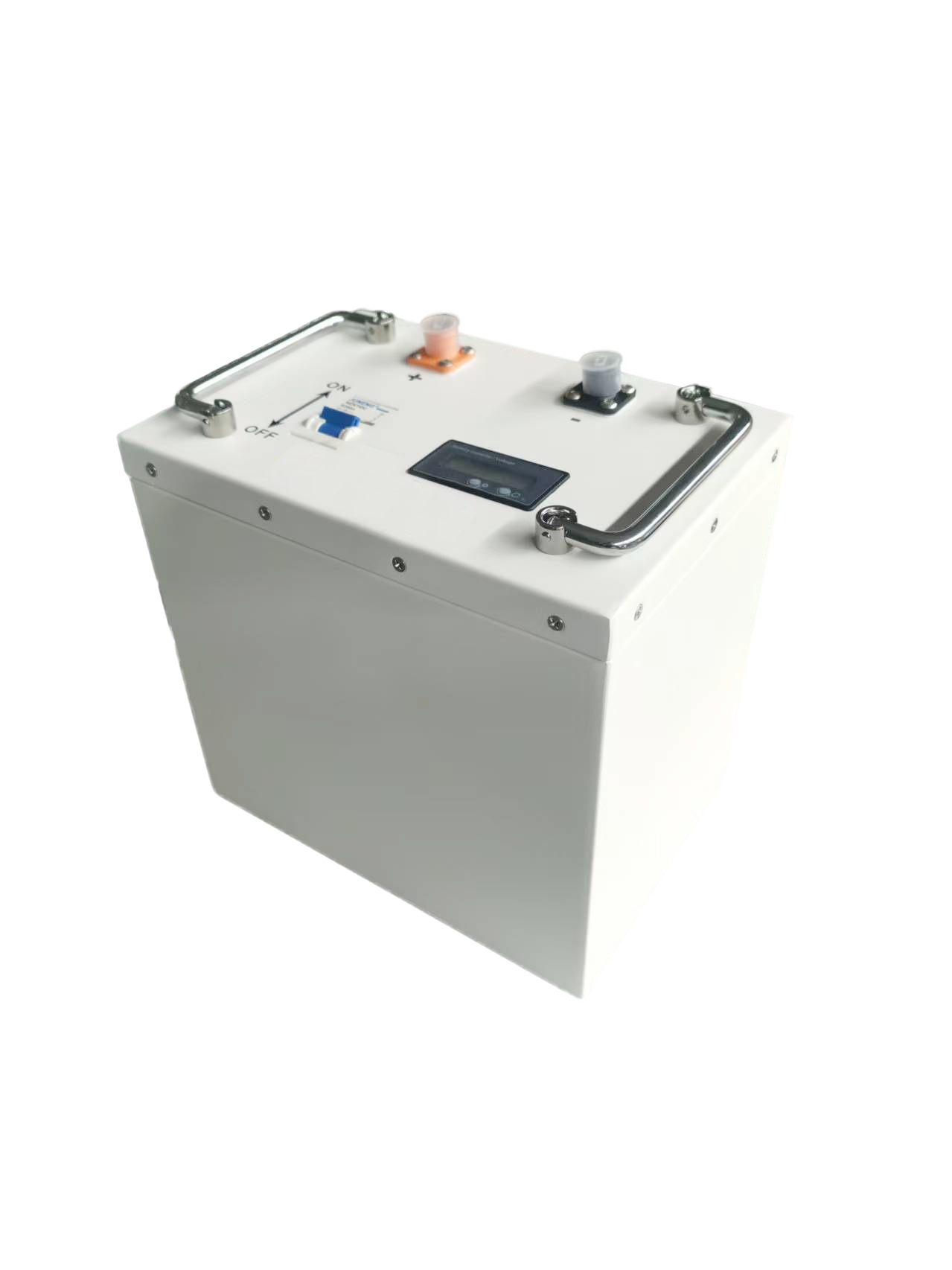
76.8V Motorcycle Lithium Batteries: The Ultimate Comprehensive Guide
Table of Contents
- 1. Introduction to 76.8V Lithium Batteries
- 2. Benefits of 76.8V Motorcycle Lithium Batteries
- 3. Technical Specifications of 76.8V Lithium Batteries
- 4. Installation Guide for 76.8V Motorcycle Lithium Batteries
- 5. Maintenance Tips for Longevity
- 6. Common Issues and Troubleshooting
- 7. Comparison: Lithium Batteries vs. Traditional Lead-Acid Batteries
- 8. Conclusion
- 9. Frequently Asked Questions
1. Introduction to 76.8V Lithium Batteries
The **76.8V motorcycle lithium battery** is a cutting-edge power solution designed to meet the demands of modern motorcyclists. With advancements in technology, lithium batteries have emerged as a superior alternative to traditional lead-acid batteries, offering enhanced performance, longevity, and efficiency. In this comprehensive guide, we will delve into the intricacies of 76.8V motorcycle lithium batteries, exploring their advantages, specifications, installation processes, and maintenance requirements.
2. Benefits of 76.8V Motorcycle Lithium Batteries
The adoption of **lithium batteries** in the motorcycle industry has blossomed, and for good reason. Here are some of the notable benefits:
2.1 Weight Reduction
Lithium batteries are significantly lighter than their lead-acid counterparts. A typical 76.8V lithium battery can weigh up to 70% less, allowing for better handling and improved fuel efficiency.
2.2 Longer Lifespan
One of the most compelling reasons to choose lithium batteries is their longevity. These batteries can last up to 10 years or more with proper care, compared to the 2-3 year lifespan of conventional batteries.
2.3 Faster Charging Times
The ability to charge quickly is another advantage. Most lithium batteries can reach a full charge in just a few hours, allowing riders to get back on the road sooner.
2.4 Improved Performance
76.8V lithium batteries provide consistent power delivery, ensuring that your motorcycle performs optimally, even in challenging conditions. This translates to better acceleration, handling, and overall riding experience.
3. Technical Specifications of 76.8V Lithium Batteries
Understanding the technical specifications is crucial when selecting a battery that suits your motorcycle. Here are key aspects to consider:
3.1 Voltage and Capacity
The standard configuration for 76.8V lithium batteries typically includes a nominal voltage of 76.8 volts, with various capacities ranging from 20Ah to 60Ah. The capacity directly impacts the mileage and performance of your motorcycle.
3.2 Chemistry
Most 76.8V lithium batteries utilize Lithium Iron Phosphate (LiFePO4) technology, which enhances safety and thermal stability. This chemistry also allows for deeper discharges without damage.
3.3 Dimensions and Weight
Before purchasing a battery, ensure it fits within the designated battery compartment. Dimensions can vary, but they are generally compact. The weight is a deciding factor, especially for performance-oriented motorcycles.
3.4 Safety Features
Quality lithium batteries are equipped with Battery Management Systems (BMS) that prevent overcharging, overheating, and short-circuiting, ensuring safe operation.
4. Installation Guide for 76.8V Motorcycle Lithium Batteries
Proper installation is vital for maximizing the performance and lifespan of your battery. Here is a step-by-step guide to help you through the process:
4.1 Gather Necessary Tools
Before beginning, make sure you have the following tools:
- Wrenches
- Screwdrivers
- Insulation tape
- Torque wrench
4.2 Remove the Old Battery
Turn off your motorcycle and disconnect the negative lead first to avoid any electrical shock. Then remove the positive lead, followed by unscrewing the battery from its compartment.
4.3 Position the New Battery
Carefully place the new 76.8V lithium battery into the battery compartment. Ensure that it fits snugly without any obstruction.
4.4 Connect the Battery
Connect the positive lead first, followed by the negative lead. Ensure all connections are tight, and use insulation tape to secure exposed connections.
4.5 Test the Installation
Before closing the compartment, turn on the motorcycle to test the electrical system. Check for any warning lights or irregularities.
5. Maintenance Tips for Longevity
To ensure your 76.8V lithium battery lasts its maximum lifespan, regular maintenance is crucial.
5.1 Regular Charging
Lithium batteries should not be allowed to deplete completely. Charge your battery regularly, ideally after every ride, to maintain optimal performance.
5.2 Monitor Temperature
Extreme temperatures can affect battery performance. Store your motorcycle and battery in a climate-controlled environment, if possible.
5.3 Inspect Connections
Periodically check battery connections for corrosion or looseness. Clean any corrosion with a mixture of baking soda and water to ensure good conductivity.
5.4 Update Firmware
Some modern lithium batteries come with smart technology. Check for firmware updates regularly to enhance performance and safety features.
6. Common Issues and Troubleshooting
Even with proper maintenance, issues may arise. Here are some common problems and solutions:
6.1 Battery Not Charging
If your battery fails to charge, check the charger for faults. Ensure that connections are secure and that there is no damage to the battery terminals.
6.2 Reduced Performance
If you notice decreased power delivery, this may indicate an imbalance in the cells. Balancing the cells using a specialized charger may resolve the issue.
6.3 Overheating
Excessive heat can signify an internal defect. If the battery overheats, stop using it immediately and consult a professional.
7. Comparison: Lithium Batteries vs. Traditional Lead-Acid Batteries
To understand the advantages of 76.8V lithium batteries, it's essential to compare them with traditional lead-acid batteries.
7.1 Weight and Size
Lithium batteries are considerably lighter and smaller, which is beneficial for handling and performance.
7.2 Lifespan
Lead-acid batteries typically last 2-3 years, while lithium batteries can last up to a decade or more, providing better long-term value.
7.3 Maintenance Requirements
Lithium batteries require less maintenance compared to lead-acid batteries, which need regular checks for water levels and terminal corrosion.
7.4 Environmental Impact
Lithium batteries are often more environmentally friendly as they do not contain lead and are recyclable.
8. Conclusion
In conclusion, **76.8V motorcycle lithium batteries** represent a significant advancement in motorcycle technology. Their numerous benefits, including lightweight design, longevity, and high performance, make them an excellent choice for all riders. Proper installation and maintenance can further enhance their life and effectiveness. By understanding the technical specifications, benefits, and maintenance of these batteries, motorcyclists can make informed decisions that elevate their riding experience.
9. Frequently Asked Questions
9.1 What is the lifespan of a 76.8V lithium motorcycle battery?
Most lithium batteries can last between 8-10 years with proper care and maintenance.
9.2 Can I use a regular battery charger for my lithium battery?
No, it's recommended to use a charger specifically designed for lithium batteries to avoid damage.
9.3 Are lithium batteries safe for motorcycles?
Yes, when used correctly, lithium batteries are safe and include built-in safety features to prevent issues.
9.4 How can I tell if my lithium battery is fully charged?
Many lithium batteries come with an LED indicator that shows the charging status. Check the manufacturer's instructions for specifics.
9.5 What should I do if my battery is not holding a charge?
If your battery fails to hold a charge, it may need balancing or could be nearing the end of its lifespan. Consult a professional for further assistance.
By utilizing this guide, motorcycle enthusiasts and casual riders alike can confidently explore the world of 76.8V lithium batteries, ensuring they make the best choices for their riding experience.
Key words:
Previous:
Related News


Online consultation

Free consultation
All rights reserved©UNIQUE
Business License
Power by:www.300.cn | SEO | Privacy Policy