Welcome to UNIQUE!
Understanding the Advantages of Lithium Batteries for Forklifts
Lithium batteries are rapidly becoming the preferred power source for forklifts in various industrial settings due to their numerous benefits over traditional lead-acid batteries. One of the primary advantages of using a forklift lithium battery is their longer lifespan. Typically, lithium batteries can last up to three times longer than lead-acid batteries, reducing the frequency of replacements
2026-02-19
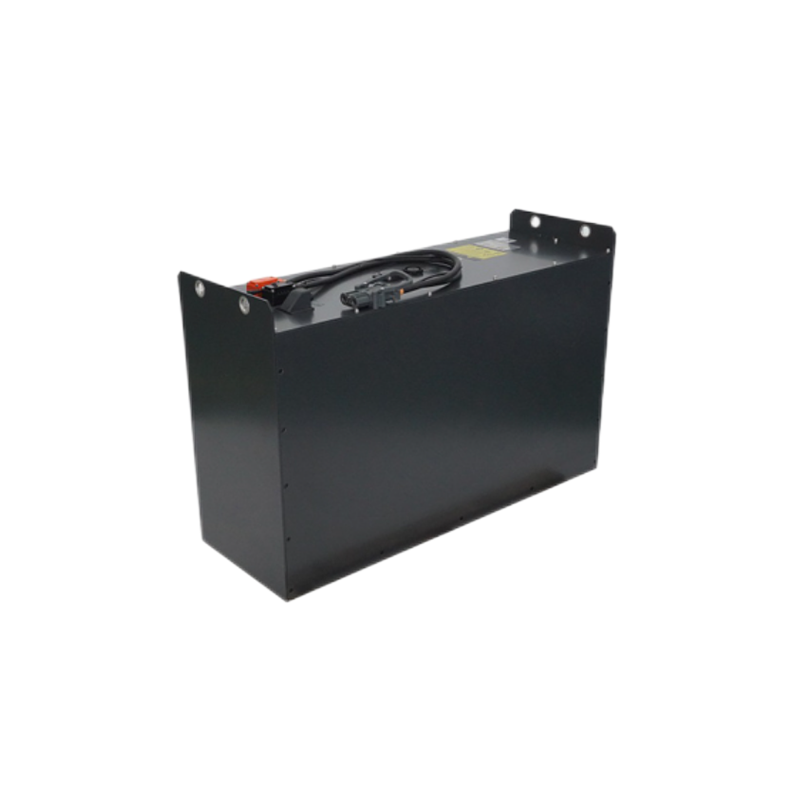
Lithium batteries are rapidly becoming the preferred power source for forklifts in various industrial settings due to their numerous benefits over traditional lead-acid batteries. One of the primary advantages of using a forklift lithium battery is their longer lifespan. Typically, lithium batteries can last up to three times longer than lead-acid batteries, reducing the frequency of replacements and associated costs. This longevity contributes to a lower total cost of ownership, making them an attractive option for businesses looking to optimize their operations.
Another significant benefit of forklift lithium batteries is their rapid charging capabilities. Unlike lead-acid batteries, which may require several hours to charge fully, lithium batteries can be charged in as little as one to two hours. This rapid charging means that forklifts can spend more time operating and less time in charging stations, leading to increased efficiency in material handling operations. Additionally, lithium batteries can be charged at any time without negatively impacting their lifespan, allowing for opportunity charging during breaks or shifts.
The energy density of lithium batteries is also a critical factor in their appeal. With a higher energy density than lead-acid batteries, forklift lithium batteries offer more power in a smaller, lighter package. This compact design not only saves space in warehouses and distribution centers but also allows for improved maneuverability of the forklifts themselves. The weight reduction can enhance overall lifting capacity, further optimizing material handling processes.
Safety is another crucial consideration when evaluating power sources for forklifts. Lithium batteries are equipped with sophisticated battery management systems that monitor temperature, voltage, and current levels, ensuring safe operation. This feature helps prevent overheating and minimizes the risk of thermal runaway, providing peace of mind for operators and facility managers.
Moreover, the environmental impact of using forklift lithium batteries is less pronounced than that of lead-acid batteries. Lithium batteries have a lower carbon footprint and are more easily recyclable, aligning with the growing emphasis on sustainability in industrial practices.
While the initial investment for forklift lithium batteries may be higher than that of traditional solutions, the long-term savings, efficiency gains, and operational flexibility they offer make them an excellent choice for businesses looking to modernize their material handling equipment. As the industry moves towards more sustainable and efficient solutions, the adoption of forklift lithium batteries will likely continue to grow, setting a new standard in the electric vehicle sector.
In conclusion, the advantages of forklift lithium batteries—ranging from longevity and rapid charging to safety and environmental benefits—make them a superior choice for businesses focused on enhancing productivity and sustainability in their operations.
Another significant benefit of forklift lithium batteries is their rapid charging capabilities. Unlike lead-acid batteries, which may require several hours to charge fully, lithium batteries can be charged in as little as one to two hours. This rapid charging means that forklifts can spend more time operating and less time in charging stations, leading to increased efficiency in material handling operations. Additionally, lithium batteries can be charged at any time without negatively impacting their lifespan, allowing for opportunity charging during breaks or shifts.
The energy density of lithium batteries is also a critical factor in their appeal. With a higher energy density than lead-acid batteries, forklift lithium batteries offer more power in a smaller, lighter package. This compact design not only saves space in warehouses and distribution centers but also allows for improved maneuverability of the forklifts themselves. The weight reduction can enhance overall lifting capacity, further optimizing material handling processes.
Safety is another crucial consideration when evaluating power sources for forklifts. Lithium batteries are equipped with sophisticated battery management systems that monitor temperature, voltage, and current levels, ensuring safe operation. This feature helps prevent overheating and minimizes the risk of thermal runaway, providing peace of mind for operators and facility managers.
Moreover, the environmental impact of using forklift lithium batteries is less pronounced than that of lead-acid batteries. Lithium batteries have a lower carbon footprint and are more easily recyclable, aligning with the growing emphasis on sustainability in industrial practices.
While the initial investment for forklift lithium batteries may be higher than that of traditional solutions, the long-term savings, efficiency gains, and operational flexibility they offer make them an excellent choice for businesses looking to modernize their material handling equipment. As the industry moves towards more sustainable and efficient solutions, the adoption of forklift lithium batteries will likely continue to grow, setting a new standard in the electric vehicle sector.
In conclusion, the advantages of forklift lithium batteries—ranging from longevity and rapid charging to safety and environmental benefits—make them a superior choice for businesses focused on enhancing productivity and sustainability in their operations.
Key words:
Previous:
Related News


Online consultation

Free consultation
All rights reserved©UNIQUE
Business License
Power by:www.300.cn | SEO | Privacy Policy