Welcome to UNIQUE!
The Future of Golf Cart Power: Why 48V Lithium Batteries are Leading the Way
The Future of Golf Cart Power: Why 48V Lithium Batteries are Leading the Way
Introduction to Golf Cart Power Solutions
The evolution of golf cart power solutions has undergone significant changes over the past few decades. Traditional lead-acid batteries have dominated the market for years, offering a basic level of functionality. However, as technology advances and the demand for more efficient,
2026-02-13
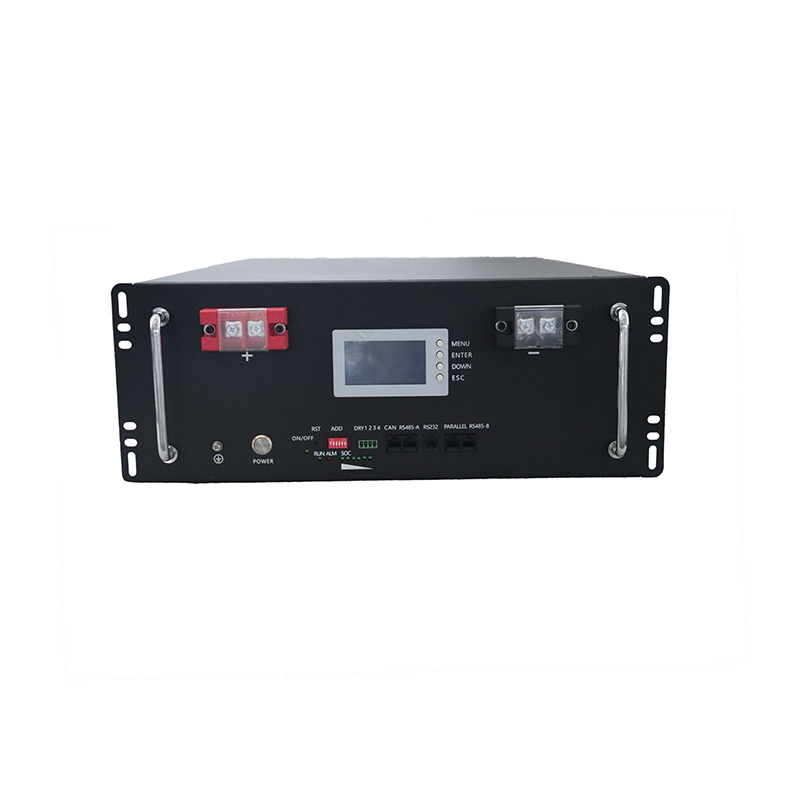
The Future of Golf Cart Power: Why 48V Lithium Batteries are Leading the Way
Introduction to Golf Cart Power Solutions
The evolution of golf cart power solutions has undergone significant changes over the past few decades. Traditional lead-acid batteries have dominated the market for years, offering a basic level of functionality. However, as technology advances and the demand for more efficient, reliable, and sustainable power sources increases, **48V lithium batteries** have emerged as a revolutionary alternative. This article delves into the reasons why these batteries are leading the way in powering golf carts and other electric vehicles.
A Brief Overview of Lithium Battery Technology
Lithium batteries, particularly lithium-ion and lithium iron phosphate (LiFePO4), are known for their superior performance characteristics compared to traditional lead-acid batteries. Their lightweight design, higher energy density, and longer lifespan make them increasingly popular across various applications, including electric vehicles, power tools, and consumer electronics.
What Sets Lithium Batteries Apart?
1. **Energy Density**: Lithium batteries provide more energy per unit weight than lead-acid batteries, allowing for lighter and more efficient designs.
2. **Longevity**: With a lifespan of **up to 10 years or more**, lithium batteries outperform lead-acid counterparts, which typically last only 3-5 years.
3. **Faster Charging**: Lithium batteries charge more quickly, reducing downtime and increasing the usability of golf carts and other vehicles.
4. **Efficiency**: They have a higher discharge rate, ensuring that golf carts receive consistent power, even during steep inclines or extended usage.
The Advantages of 48V Lithium Batteries in Golf Carts
The rise of **48V lithium batteries** is significantly altering the landscape of golf cart power systems. Here are several compelling reasons why these batteries are favored:
1. Enhanced Performance and Reliability
Golf carts powered by **48V lithium batteries** demonstrate exceptional performance metrics. These batteries can maintain consistent power delivery, allowing for smoother acceleration and better handling. Whether navigating hilly terrains or tackling more demanding courses, golfers can rely on their carts to perform optimally.
2. Lightweight and Compact Design
One of the most notable features of **48V lithium batteries** is their lightweight design. This reduction in weight directly translates to better energy efficiency, longer ranges, and improved overall performance. Golf carts equipped with these batteries can carry more passengers or cargo without compromising speed or agility.
3. Longer Lifespan and Reduced Maintenance
The longevity of **48V lithium batteries** means fewer replacements over time. Golf cart owners can expect up to **10 years** of service life, significantly reducing the overall cost of ownership. Additionally, lithium batteries require less frequent maintenance compared to traditional lead-acid batteries, which often need regular water refills and terminal cleaning.
4. Faster Charging Capability
Charging times for **48V lithium batteries** are significantly shorter than those for lead-acid batteries. While a lead-acid battery may take **8-12 hours** to charge fully, a lithium battery can achieve an 80% charge in just **2-4 hours**. This rapid charging capability ensures that golfers spend less time waiting for their carts to charge and more time on the course.
5. Eco-Friendly Energy Source
As environmental concerns grow, many consumers seek sustainable energy solutions. **48V lithium batteries** are more environmentally friendly than traditional batteries, as they contain fewer harmful substances and are recyclable. This commitment to sustainability aligns with the values of many golf courses aiming to reduce their carbon footprint.
Key Features of 48V Lithium Batteries
Understanding the specific features that make **48V lithium batteries** ideal for golf carts is crucial for potential buyers. Here are some standout characteristics:
1. Battery Management Systems (BMS)
Most **48V lithium batteries** come equipped with advanced Battery Management Systems that monitor and manage battery health. BMS technology helps prevent overcharging, overheating, and excessive discharging, ensuring optimal performance and safety.
2. High Discharge Rates
The ability to sustain high discharge rates makes **48V lithium batteries** suitable for golf carts that require bursts of power. This feature is particularly beneficial when driving uphill or accelerating quickly.
3. Modular Design
Many manufacturers offer modular designs for **48V lithium batteries**, allowing users to customize their power systems according to their specific needs. This flexibility makes it easy to retrofit existing golf carts with new energy solutions without a complete overhaul.
4. Wide Temperature Tolerance
**48V lithium batteries** can operate in a broader temperature range than lead-acid batteries, ensuring consistent performance in various climates. Golfers can confidently use their carts in both hot and cold environments without risking battery failure.
Installation and Upgrading to 48V Lithium Batteries
Transitioning to **48V lithium batteries** from traditional power sources involves several considerations. Understanding the installation process, costs, and potential challenges can simplify the upgrade for golf cart owners.
1. Assessing Compatibility
Before upgrading, it's essential to assess whether your current golf cart is compatible with **48V lithium battery systems**. Many newer models are designed to accommodate these batteries, but older models may require additional modifications.
2. Professional Installation vs. DIY
While some tech-savvy users may opt for a DIY installation, hiring a professional is often recommended. Experts can ensure that the upgrade is performed safely and efficiently, preventing potential issues during installation.
3. Cost Considerations
Investing in **48V lithium batteries** may come with a higher upfront cost compared to lead-acid options. However, considering the long-term savings due to reduced maintenance and extended lifespan, the investment can pay off over time.
Market Trends and Future Outlook for Golf Cart Batteries
As the demand for electric vehicles continues to grow, the market for **48V lithium batteries** is expected to expand significantly. Various factors will shape this landscape:
1. Increasing Adoption in Diverse Applications
Beyond golf carts, **48V lithium batteries** are finding applications in various sectors, including personal transportation, agricultural vehicles, and electric bicycles. This versatility will drive further advancements in technology and production methods.
2. Technological Innovations
Continuous research and development in battery technologies promise even more efficient, safer, and longer-lasting solutions. Advancements in solid-state batteries and recycling methods will enhance the sustainability of lithium battery systems.
3. Regulatory Support for Electric Vehicles
Government initiatives and regulations promoting electric vehicle adoption will foster growth in the **48V lithium battery** market. Incentives and subsidies will encourage consumers to make the switch to cleaner energy solutions.
Frequently Asked Questions (FAQs)
1. How long do 48V lithium batteries last?
Typically, **48V lithium batteries** have a lifespan of **8-10 years**, significantly outlasting traditional lead-acid batteries.
2. Can I convert my golf cart to a 48V lithium battery system?
Yes, many golf carts can be retrofitted with **48V lithium batteries**, though compatibility should be assessed first.
3. How long does it take to charge a 48V lithium battery?
Charging times vary, but most **48V lithium batteries** can reach an **80% charge in 2-4 hours**.
4. Are 48V lithium batteries environmentally friendly?
Yes, they contain fewer harmful materials than lead-acid batteries and are recyclable, making them a more sustainable choice.
5. What is the cost of 48V lithium batteries?
While they may have a higher initial cost compared to lead-acid batteries, the long-term savings due to lower maintenance and longer lifespan often offset the upfront investment.
Conclusion
The transition to **48V lithium batteries** marks a significant leap forward in golf cart power solutions. With their numerous advantages—ranging from enhanced performance and longevity to eco-friendly benefits—these batteries are redefining what electric vehicles can achieve. As technology continues to evolve, we can expect **48V lithium batteries** to play a vital role in shaping the future of electric mobility, not only in golf carts but across diverse applications. Embracing this innovation ensures golfers enjoy a reliable and efficient ride, paving the way for greener and more sustainable golfing experiences.
Key words:
Previous:


Online consultation

Free consultation
All rights reserved©UNIQUE
Business License
Power by:www.300.cn | SEO | Privacy Policy