Welcome to UNIQUE!
The Future of Motorcycling: Embracing 76.8V Lithium Battery Technology
The Future of Motorcycling: Embracing 76.8V Lithium Battery Technology
Table of Contents
Introduction to 76.8V Lithium Battery Technology
The Importance of Lithium Batteries in Motorcycling
Benefits of 76.8V Lithium Batteries for Motorcycles
Challenges in Adopting 76.8V Lithium Battery Technology
76.8V Lithium Batteries vs. Traditional Batteries
Future Trends in Lithium Battery Tech
2026-02-09
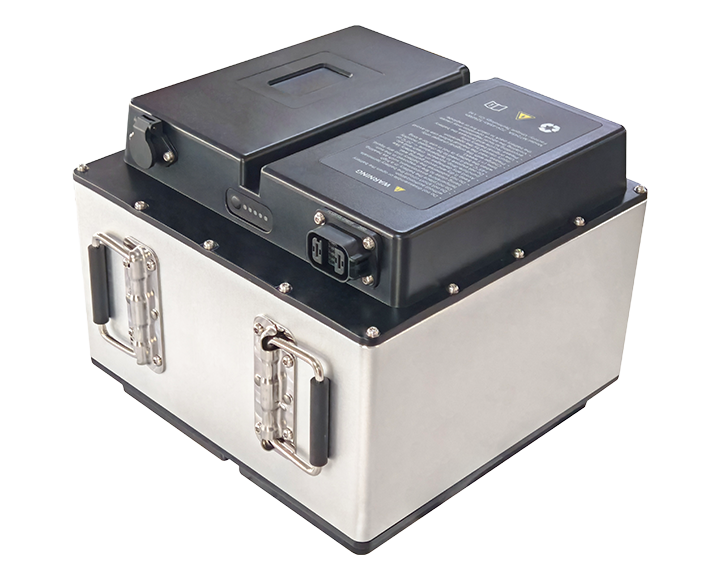
The Future of Motorcycling: Embracing 76.8V Lithium Battery Technology
Table of Contents
- Introduction to 76.8V Lithium Battery Technology
- The Importance of Lithium Batteries in Motorcycling
- Benefits of 76.8V Lithium Batteries for Motorcycles
- Challenges in Adopting 76.8V Lithium Battery Technology
- 76.8V Lithium Batteries vs. Traditional Batteries
- Future Trends in Lithium Battery Technology for Motorcycles
- Real-World Applications of 76.8V Lithium Batteries
- Frequently Asked Questions (FAQs)
- Conclusion
Introduction to 76.8V Lithium Battery Technology
The motorcycle industry is on the brink of a major transformation, thanks to advancements in **76.8V lithium battery technology**. As electric vehicles become more mainstream and the demand for sustainable transport grows, lithium batteries are gaining attention for their potential to reshape how we ride. These batteries promise not only enhanced performance but also longer lifespans, increased charging efficiency, and a reduced environmental impact.
The shift to lithium batteries signifies a pivotal moment for motorcycling. With growing concerns over fossil fuel dependency and pollution, embracing this technology is not just a trend; it’s a necessity. This article delves into the intricacies of **76.8V lithium batteries**, exploring their benefits, underlying challenges, and what the future holds for motorcycling enthusiasts and the industry at large.
The Importance of Lithium Batteries in Motorcycling
Lithium batteries are crucial in the modern motorcycle landscape for several reasons. Firstly, they offer a **high energy density**, meaning they can store more energy in a smaller and lighter package compared to traditional lead-acid batteries. This characteristic is essential for motorcycles, where weight and space are critical factors.
Moreover, **lithium batteries** have faster charging times and longer cycle lives, making them more cost-effective in the long run. Riders benefit from reduced downtime and more extended periods between charges. As the motorcycle industry shifts towards electric models, the importance of these batteries becomes even more pronounced, as they directly affect performance, range, and overall riding experience.
Benefits of 76.8V Lithium Batteries for Motorcycles
The introduction of **76.8V lithium batteries** brings a multitude of advantages that are reshaping the motorcycle industry:
Enhanced Performance and Range
One of the most significant benefits of **76.8V lithium batteries** is their ability to enhance performance. Riders can enjoy greater acceleration and higher top speeds due to the battery's efficient energy output. Furthermore, the increased voltage allows for a longer range per charge, meaning fewer stops for recharging during rides.
Lightweight and Compact
The **lightweight** nature of lithium batteries is another critical advantage. A lighter battery leads to a lighter overall motorcycle, contributing to better handling and maneuverability. For touring riders, this means a more comfortable and enjoyable experience, particularly on long rides.
Environmental Impact
As the world becomes more environmentally conscious, the shift to lithium batteries is a step in the right direction. **76.8V lithium batteries** produce zero emissions during operation, making motorcycles more eco-friendly. By adopting this technology, the industry can significantly reduce its carbon footprint.
Low Maintenance Costs
Lithium batteries have a longer lifespan compared to traditional batteries, reducing the frequency of replacements. They also require less maintenance, saving riders both time and money. This long-term economic benefit is crucial for riders looking to optimize their investments in motorcycles.
Challenges in Adopting 76.8V Lithium Battery Technology
Despite the numerous benefits, the adoption of **76.8V lithium battery technology** is not without challenges:
Initial Cost
The upfront cost of lithium batteries is generally higher than traditional lead-acid alternatives. This higher initial investment can deter some consumers, especially those new to electric motorcycles. However, it’s essential to consider the long-term savings in maintenance and fuel.
Charging Infrastructure
The availability of appropriate charging infrastructure is another hurdle. While many urban areas are developing charging stations, rural regions may still lack the necessary facilities. For riders, this can limit the practicality of owning an electric motorcycle.
Battery Disposal and Recycling
The environmental impact of lithium batteries extends beyond their operational use. **Battery disposal and recycling** pose significant challenges. As consumer demand for electric motorcycles grows, ensuring that old batteries are disposed of responsibly will be essential for minimizing environmental harm.
76.8V Lithium Batteries vs. Traditional Batteries
When comparing **76.8V lithium batteries** with traditional lead-acid batteries, several distinctions become apparent:
Energy Density
**Lithium batteries** offer a significantly higher energy density, allowing more power to be stored in a smaller and lighter design. In contrast, lead-acid batteries are bulkier and heavier for the same amount of energy.
Charging Speed
Lithium batteries are capable of faster charging times, which is a considerable advantage for riders needing quick turnaround times. In contrast, lead-acid batteries can take several hours to charge fully.
Cycle Life
The cycle life of lithium batteries far exceeds that of traditional batteries, which often need to be replaced after a few hundred charges. Lithium batteries can endure thousands of cycles, making them a more enduring investment.
Future Trends in Lithium Battery Technology for Motorcycles
As technology advances, several promising trends are emerging within the realm of **76.8V lithium batteries**:
Solid-State Batteries
Solid-state batteries represent the next step in battery technology. They promise even higher energy densities and improved safety features compared to current lithium-ion technologies. As this technology matures, we may see solid-state batteries becoming the standard in electric motorcycles.
Battery Management Systems (BMS)
The integration of sophisticated **Battery Management Systems** is becoming increasingly common. These systems enhance the performance and longevity of lithium batteries by overseeing charging cycles and ensuring optimal functioning.
Integration with Smart Technology
As motorcycles become smarter, integrating **battery technology** with IoT (Internet of Things) systems will allow for real-time monitoring of battery health, charging status, and performance analytics, adding another layer of convenience for riders.
Real-World Applications of 76.8V Lithium Batteries
Real-world applications of **76.8V lithium batteries** are already being demonstrated in various motorcycle models:
Electric Motorcycles
Leading motorcycle manufacturers are launching electric models equipped with powerful **76.8V lithium batteries**. These motorcycles showcase the benefits of lithium technology, offering impressive range and performance while appealing to eco-conscious consumers.
Hybrid Motorcycles
Hybrid models that combine traditional combustion engines with lithium batteries are also gaining traction. These motorcycles offer the flexibility of using both power sources, allowing riders to choose between performance and efficiency based on their needs.
Frequently Asked Questions (FAQs)
1. What are the advantages of 76.8V lithium batteries over traditional batteries?
**76.8V lithium batteries** offer higher energy density, faster charging times, longer cycle lives, and reduced maintenance costs compared to traditional lead-acid batteries.
2. Are there any downsides to using lithium batteries in motorcycles?
Challenges include higher initial costs, limited charging infrastructure in some areas, and concerns surrounding battery disposal and recycling.
3. How long do 76.8V lithium batteries last?
These batteries can last up to several thousand charge cycles, significantly outpacing traditional batteries.
4. Can I charge my lithium battery at home?
Yes, you can charge your **76.8V lithium battery** at home using a compatible charger, but it’s essential to ensure that the charging setup meets safety standards.
5. What is the future of lithium battery technology in motorcycling?
Future advancements may include solid-state batteries, enhanced Battery Management Systems, and increased integration with smart technology, promising even better performance and reliability.
Conclusion
The transition to **76.8V lithium battery technology** marks a significant milestone in the evolution of motorcycling. With numerous benefits such as enhanced performance, lower environmental impact, and cost savings over time, it's clear that lithium batteries are poised to dominate the motorcycle industry. However, the path to widespread adoption involves navigating challenges like initial costs and charging infrastructure. As manufacturers and riders embrace this technology, we stand at the forefront of a new era in sustainable transportation. By harnessing the power of innovative battery technology, the future of motorcycling looks bright and promising.
Key words:
Previous:
Related News


Online consultation

Free consultation
All rights reserved©UNIQUE
Business License
Power by:www.300.cn | SEO | Privacy Policy