Welcome to UNIQUE!
Maximizing Efficiency and Sustainability: The Advantages of Lithium Batteries for Forklifts
In the world of industrial logistics and warehousing, forklifts are essential for material handling and transportation. As companies strive for efficiency and sustainability, the choice of power source becomes increasingly important. One option gaining popularity is the forklift lithium battery. These advanced batteries offer several advantages over traditional lead-acid batteries, making them an
2026-01-02
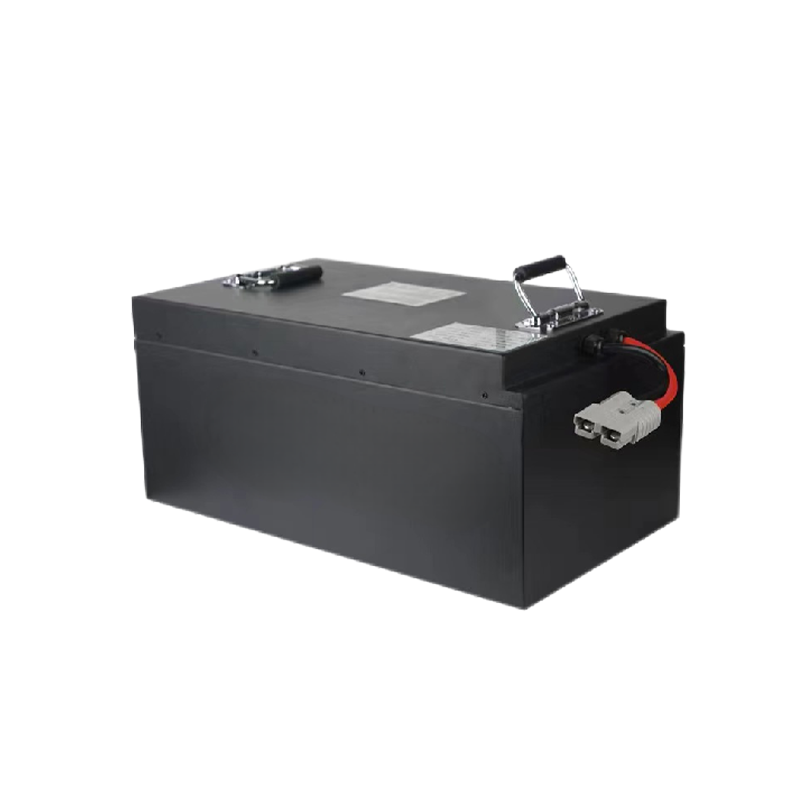
In the world of industrial logistics and warehousing, forklifts are essential for material handling and transportation. As companies strive for efficiency and sustainability, the choice of power source becomes increasingly important. One option gaining popularity is the forklift lithium battery. These advanced batteries offer several advantages over traditional lead-acid batteries, making them an ideal choice for modern operations.
Firstly, lithium batteries are known for their impressive energy density. They can store more energy in a smaller space, which means that forklifts equipped with lithium batteries can operate longer on a single charge. This extended runtime not only increases productivity but also reduces the number of times a battery needs to be replaced or recharged during a work shift. Consequently, businesses can minimize downtime and maximize operational efficiency.
Another significant benefit of lithium batteries is their fast charging capability. Unlike lead-acid batteries that require several hours to recharge, lithium batteries can often be charged in just one to two hours. This rapid charging means that forklifts can quickly return to service, allowing for more flexibility in scheduling and reducing the need for spare batteries. Additionally, lithium batteries can be charged at any time without causing damage, providing an opportunity for opportunity charging during breaks or meal times.
Lithium batteries also boast a longer lifespan compared to traditional lead-acid batteries. While a lead-acid battery typically lasts around 1,500 cycles, a lithium battery can endure up to 5,000 cycles or more. This longevity not only reduces replacement costs over time but also lessens the environmental impact associated with battery disposal. As businesses become more environmentally conscious, the sustainability of using lithium batteries presents a compelling argument for their adoption.
Furthermore, lithium batteries require less maintenance than their lead-acid counterparts. They do not need regular watering or equalization charging, which can save valuable time and resources for maintenance staff. This low-maintenance requirement allows personnel to focus on more critical tasks within the facility, ultimately enhancing overall productivity.
From an environmental perspective, lithium batteries are also a more sustainable choice. They have a lower carbon footprint during production and disposal, contributing to a reduction in overall environmental impact. This is increasingly important as companies aim to meet sustainability goals and adhere to stricter regulations regarding waste and emissions.
In conclusion, forklift lithium batteries offer numerous advantages, including enhanced efficiency, fast charging, extended lifespan, reduced maintenance, and a lower environmental impact. As industries continue to evolve and seek innovative solutions for material handling, the adoption of lithium battery technology in forklifts is likely to play a pivotal role in driving productivity and sustainability in the workplace.
Firstly, lithium batteries are known for their impressive energy density. They can store more energy in a smaller space, which means that forklifts equipped with lithium batteries can operate longer on a single charge. This extended runtime not only increases productivity but also reduces the number of times a battery needs to be replaced or recharged during a work shift. Consequently, businesses can minimize downtime and maximize operational efficiency.
Another significant benefit of lithium batteries is their fast charging capability. Unlike lead-acid batteries that require several hours to recharge, lithium batteries can often be charged in just one to two hours. This rapid charging means that forklifts can quickly return to service, allowing for more flexibility in scheduling and reducing the need for spare batteries. Additionally, lithium batteries can be charged at any time without causing damage, providing an opportunity for opportunity charging during breaks or meal times.
Lithium batteries also boast a longer lifespan compared to traditional lead-acid batteries. While a lead-acid battery typically lasts around 1,500 cycles, a lithium battery can endure up to 5,000 cycles or more. This longevity not only reduces replacement costs over time but also lessens the environmental impact associated with battery disposal. As businesses become more environmentally conscious, the sustainability of using lithium batteries presents a compelling argument for their adoption.
Furthermore, lithium batteries require less maintenance than their lead-acid counterparts. They do not need regular watering or equalization charging, which can save valuable time and resources for maintenance staff. This low-maintenance requirement allows personnel to focus on more critical tasks within the facility, ultimately enhancing overall productivity.
From an environmental perspective, lithium batteries are also a more sustainable choice. They have a lower carbon footprint during production and disposal, contributing to a reduction in overall environmental impact. This is increasingly important as companies aim to meet sustainability goals and adhere to stricter regulations regarding waste and emissions.
In conclusion, forklift lithium batteries offer numerous advantages, including enhanced efficiency, fast charging, extended lifespan, reduced maintenance, and a lower environmental impact. As industries continue to evolve and seek innovative solutions for material handling, the adoption of lithium battery technology in forklifts is likely to play a pivotal role in driving productivity and sustainability in the workplace.
Key words:


Online consultation

Free consultation
All rights reserved©UNIQUE
Business License
Power by:www.300.cn | SEO | Privacy Policy