Welcome to UNIQUE!
Troubleshooting Common Issues with 48V Lithium Battery Packs: A Comprehensive Guide
Troubleshooting Common Issues with 48V Lithium Battery Packs
Table of Contents
1. Understanding 48V Lithium Battery Packs
2. Common Issues Faced with 48V Lithium Batteries
2.1. Insufficient Charge
2.2. Overheating Problems
2.3. BMS Faults
2.4. Poor Performance Under Load
2.5. Physical Damage Indications
3. Diagnosing Issues wit
2025-12-31
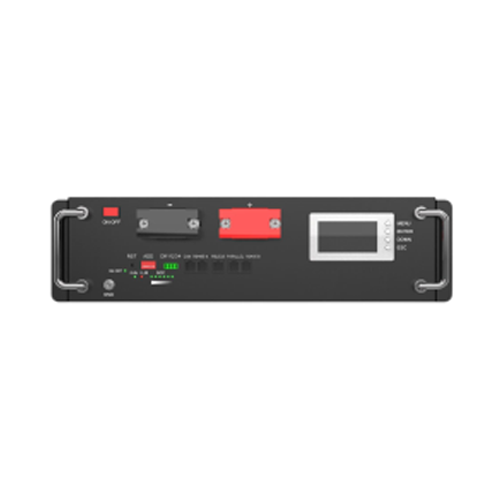
Troubleshooting Common Issues with 48V Lithium Battery Packs
Table of Contents
- 1. Understanding 48V Lithium Battery Packs
- 2. Common Issues Faced with 48V Lithium Batteries
- 2.1. Insufficient Charge
- 2.2. Overheating Problems
- 2.3. BMS Faults
- 2.4. Poor Performance Under Load
- 2.5. Physical Damage Indications
- 3. Diagnosing Issues with Your 48V Lithium Battery
- 3.1. Tools Required for Diagnosis
- 3.2. Step-by-Step Diagnostic Process
- 4. Solutions to Common Battery Problems
- 4.1. Addressing Insufficient Charge
- 4.2. Managing Overheating
- 4.3. Fixing BMS Faults
- 4.4. Improving Performance Under Load
- 4.5. Handling Physical Damage
- 5. Preventative Measures for Battery Longevity
- 6. Frequently Asked Questions (FAQs)
- 7. Conclusion
1. Understanding 48V Lithium Battery Packs
48V lithium battery packs are increasingly popular in various applications, from renewable energy systems to electric vehicles. These battery packs provide a robust power solution due to their high energy density, lightweight design, and longevity compared to traditional lead-acid batteries. Understanding how they work is critical for effective troubleshooting.
Lithium-ion technology allows these batteries to provide a consistent voltage output throughout their discharge cycle. However, like any technology, they can encounter issues that may disrupt performance. Being aware of these potential problems can facilitate quicker resolutions.
2. Common Issues Faced with 48V Lithium Batteries
2.1. Insufficient Charge
One of the most frequent complaints regarding 48V lithium battery packs is insufficient charge. Users may notice that the battery does not reach full charge or drains quickly during usage. This issue can stem from various factors such as faulty chargers, poor battery connections, or even degraded battery cells.
2.2. Overheating Problems
Overheating is another significant issue, which can lead to reduced battery life and potential safety hazards. Factors contributing to overheating can include excessive load, poor ventilation, and operating in extreme temperatures.
2.3. BMS Faults
The Battery Management System (BMS) is crucial for monitoring battery health and managing charge cycles. Issues with the BMS could result in improper charging, uneven cell balance, or even shutdown of the battery for safety reasons.
2.4. Poor Performance Under Load
Users may experience insufficient power delivery when the battery is under load. This can be caused by internal resistance, aging cells, or poor connections that inhibit current flow.
2.5. Physical Damage Indications
Physical damage, such as dents, punctures, or swelling of the battery pack, indicates that the battery may have suffered from adverse conditions or mishandling. Such damage can lead to catastrophic failures if not addressed timely.
3. Diagnosing Issues with Your 48V Lithium Battery
3.1. Tools Required for Diagnosis
Before troubleshooting, gather essential tools, including:
- **Multimeter**: For checking voltage and diagnosing charge levels.
- **Thermometer**: To monitor temperature during operation.
- **Battery Analyzer**: For detailed health assessments.
- **Basic Hand Tools**: For opening and inspecting the battery pack.
3.2. Step-by-Step Diagnostic Process
1. **Visual Inspection**: Begin with a thorough inspection of the battery pack for any visible damage.
2. **Voltage Testing**: Use the multimeter to measure the voltage. Compare this with the rated voltage.
3. **Temperature Check**: Monitor if the battery overheats during charging or discharging.
4. **BMS Check**: Consult the BMS for error codes or alerts.
5. **Load Testing**: Connect a resistive load to assess performance under load conditions.
4. Solutions to Common Battery Problems
4.1. Addressing Insufficient Charge
To resolve insufficient charge issues:
- **Check the Charger**: Ensure it is functioning correctly and compatible with your battery.
- **Inspect Connections**: Tighten or replace corroded connections.
- **Consider Cell Health**: If individual cells are degraded, consider refurbishing or replacing them.
4.2. Managing Overheating
To combat overheating:
- **Provide Adequate Ventilation**: Ensure the battery is placed in a well-ventilated area.
- **Reduce Load**: Assess the load demand and reduce it if necessary.
- **Temperature Management Systems**: Consider installing fans or cooling systems if overheating persists.
4.3. Fixing BMS Faults
When addressing BMS faults:
- **Reset the BMS**: Sometimes a simple reset can rectify issues.
- **Check for Firmware Updates**: Ensure the BMS firmware is up to date.
- **Replace the BMS**: If faults are persistent, replacing the BMS may be necessary.
4.4. Improving Performance Under Load
To enhance performance under load:
- **Upgrade Wiring**: Use thicker cables to reduce resistance.
- **Cell Balancing**: Ensure that cells are balanced for optimal performance.
- **Regular Maintenance**: Conduct periodic checks to maintain battery health.
4.5. Handling Physical Damage
For batteries showing physical damage:
- **Immediate Disconnection**: Disconnect the battery from all equipment to prevent hazards.
- **Consult Professionals**: Seek expert advice for repair or replacement options.
- **Disposal**: If severely damaged, dispose of the battery in accordance with local regulations.
5. Preventative Measures for Battery Longevity
1. **Regular Maintenance**: Schedule routine inspections and maintenance.
2. **Proper Charging Practices**: Use chargers that match battery specifications and avoid overcharging.
3. **Store Properly**: Keep batteries in a cool, dry place and at optimal charge levels (typically around 50-70%).
4. **Monitor Performance**: Use monitoring systems to keep track of battery health and performance metrics.
5. **Educate Users**: Ensure that all users understand proper handling and operational procedures for the battery packs.
6. Frequently Asked Questions (FAQs)
1. What is the lifespan of a 48V lithium battery pack?
Typically, a well-maintained 48V lithium battery pack can last between 5 to 15 years, depending on usage and care.
2. Why does my 48V lithium battery pack charge slowly?
Slow charging can be attributed to a faulty charger, poor connections, or degraded battery cells that need replacement.
3. Can I use my 48V lithium battery pack in extreme temperatures?
It is not recommended to operate lithium batteries in extreme temperatures, as both high heat and freezing conditions can damage them.
4. How can I tell if my battery is failing?
Signs of battery failure include rapid discharging, overheating, physical damage, and inconsistent voltage readings.
5. What should I do if my battery pack swells?
If you notice swelling, immediately disconnect the battery from all devices and consult a professional for safe disposal or repair.
7. Conclusion
Troubleshooting 48V lithium battery packs can be a straightforward process if you understand the common issues and follow a systematic approach for diagnosis and solutions. By being proactive about maintenance and educated on potential problems, users can enhance both the lifespan and performance of their battery systems. Implementing preventive measures further safeguards against future issues, ensuring your battery pack remains a reliable energy source for years to come.
Key words:
Previous:


Online consultation

Free consultation
All rights reserved©UNIQUE
Business License
Power by:www.300.cn | SEO | Privacy Policy