Welcome to UNIQUE!
Maximizing Efficiency: How to Choose the Right Forklift Battery for Your Operations
Maximizing Efficiency: How to Choose the Right Forklift Battery for Your Operations
Table of Contents
1. Understanding Forklift Batteries
2. Types of Forklift Batteries: A Comprehensive Overview
3. Key Factors to Consider When Choosing a Forklift Battery
3.1 Battery Capacity and Runtime
3.2 Charging Options and Technologies
3.3 Maintenance
2025-09-19
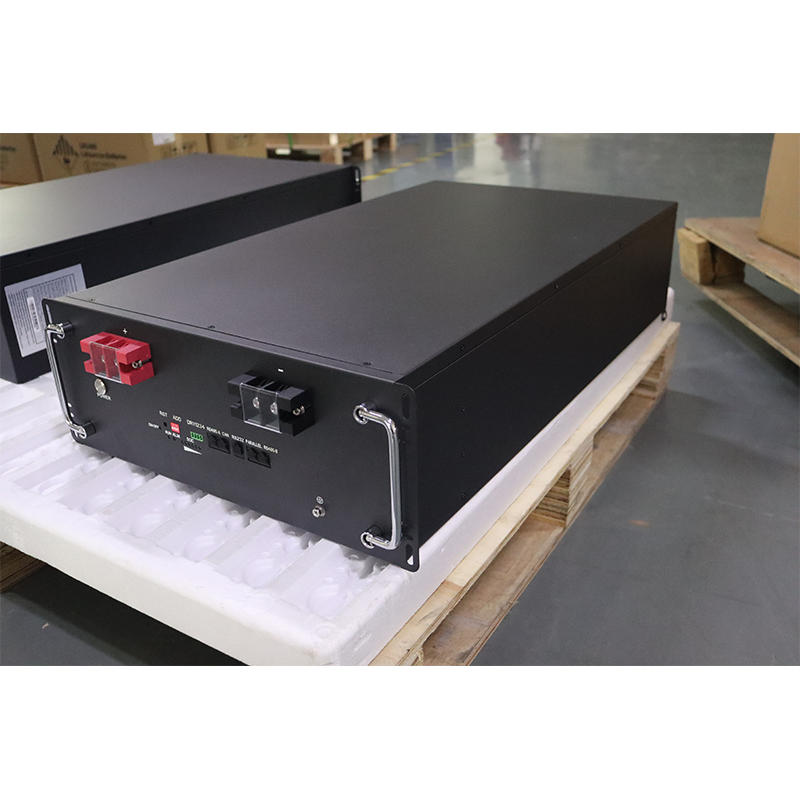
Maximizing Efficiency: How to Choose the Right Forklift Battery for Your Operations
Table of Contents
- 1. Understanding Forklift Batteries
- 2. Types of Forklift Batteries: A Comprehensive Overview
- 3. Key Factors to Consider When Choosing a Forklift Battery
- 3.1 Battery Capacity and Runtime
- 3.2 Charging Options and Technologies
- 3.3 Maintenance Needs and Longevity
- 3.4 Environmental Factors and Usage Conditions
- 4. Cost Considerations: Initial Investment vs. Long-Term Savings
- 5. Top Forklift Battery Brands and Products in 2023
- 6. Common Mistakes to Avoid When Choosing a Forklift Battery
- 7. Frequently Asked Questions about Forklift Batteries
- 8. Conclusion: Making the Right Choice
1. Understanding Forklift Batteries
Forklift batteries play a critical role in the operations of warehouses, manufacturing plants, and distribution centers. They provide the necessary power to operate electric forklifts, ensuring smooth and efficient material handling. Understanding the different types of batteries available on the market, along with their unique characteristics, will help you make an informed decision that enhances your operation's overall efficiency.
2. Types of Forklift Batteries: A Comprehensive Overview
When it comes to forklift batteries, there are several types to choose from, each with its own advantages and disadvantages. The primary types include:
2.1 Lead-Acid Batteries
Lead-acid batteries are the traditional choice for forklifts. They are cost-effective and widely available. These batteries require routine maintenance, including regular watering and equalization charging, which can be a downside for some operations. However, they are robust and reliable for many applications.
2.2 Lithium-Ion Batteries
Lithium-ion batteries have gained popularity recently due to their efficiency and low maintenance requirements. They charge faster than lead-acid batteries and can be used in a variety of temperature conditions. Moreover, they have a longer lifespan and are lighter, which can enhance the performance of electric forklifts.
2.3 Gel and Absorbent Glass Mat (AGM) Batteries
Gel and AGM batteries are sealed lead-acid batteries, which means they do not require watering. They are safer, as they pose a lower risk of leakage. These batteries are well-suited for cold storage environments and are known for their durability.
3. Key Factors to Consider When Choosing a Forklift Battery
Selecting the right forklift battery requires careful consideration of several factors that can influence performance and operational efficiency.
3.1 Battery Capacity and Runtime
Battery capacity, measured in Amp-hours (Ah), indicates how much energy the battery can store. A higher capacity generally translates to longer runtime, allowing your forklifts to operate longer without needing a recharge. Assess your daily operations and determine the average run time required to select an appropriate size.
3.2 Charging Options and Technologies
Consider the charging requirements of each battery type. Lead-acid batteries typically require longer charging times, while lithium-ion batteries can be charged quickly, enabling more flexibility in operations. Additionally, some newer technologies offer opportunity charging, allowing forklifts to be charged during breaks, which can maximize uptime.
3.3 Maintenance Needs and Longevity
Maintenance is a crucial factor in the lifespan of a forklift battery. Lead-acid batteries require more frequent care compared to lithium-ion batteries. Evaluate the maintenance capabilities of your team and choose a battery type that aligns with your operational structure.
3.4 Environmental Factors and Usage Conditions
The environment in which your forklifts operate can significantly affect battery performance. If temperatures fluctuate widely or if your warehouse has specific environmental controls, you’ll need to consider how each battery type performs under those conditions.
4. Cost Considerations: Initial Investment vs. Long-Term Savings
The cost of a forklift battery goes beyond the initial investment. While lead-acid batteries may be cheaper upfront, their maintenance and shorter lifespan can lead to higher long-term costs. On the other hand, lithium-ion batteries may have a higher purchase price, but their efficiency and lower maintenance requirements can yield cost savings in the long run. It's important to perform a cost analysis that considers the total cost of ownership.
5. Top Forklift Battery Brands and Products in 2023
In 2023, several brands stand out for their quality and reliability in forklift batteries. These include:
5.1 Crown Battery
Known for their extensive range of lead-acid batteries, Crown Battery provides high-capacity options that are durable and reliable.
5.2 Energizer
Energizer has made significant advancements in lithium-ion technology, offering batteries that are efficient and have a long lifespan.
5.3 Exide Technologies
Exide is a trusted name in the industry with a variety of battery solutions, including gel and AGM batteries that are well-suited for demanding environments.
5.4 Trojan Battery Company
Trojan specializes in deep cycle batteries, providing excellent performance and longevity for electric forklifts.
5.5 ACDelco
With a focus on advanced technology, ACDelco offers batteries that combine power and efficiency for industrial applications.
6. Common Mistakes to Avoid When Choosing a Forklift Battery
Choosing the wrong forklift battery can lead to inefficiencies and increased costs. Here are some common pitfalls to avoid:
6.1 Ignoring Capacity Requirements
One of the biggest mistakes is underestimating the capacity needed for your operational hours. Always calculate your daily usage to ensure you select a battery that meets your needs.
6.2 Overlooking Maintenance Needs
Many businesses opt for cheaper batteries without considering the maintenance required. Understanding the upkeep associated with different types can save you from unexpected costs down the line.
6.3 Failing to Consider Environmental Conditions
Not factoring in the environmental conditions where the forklift will operate can lead to poor battery performance. Always assess temperature and moisture levels before making a decision.
7. Frequently Asked Questions about Forklift Batteries
7.1 What is the average lifespan of a forklift battery?
The lifespan can vary significantly based on the type of battery. Lead-acid batteries typically last 3-5 years, while lithium-ion batteries can last up to 10 years with proper maintenance.
7.2 How often should I charge my forklift battery?
It is advisable to charge lead-acid batteries after every shift, while lithium-ion batteries can be charged as needed, often with opportunity charging during breaks.
7.3 Are lithium-ion batteries worth the investment?
Yes, although they have a higher initial cost, lithium-ion batteries offer longer lifespans, faster charging, and lower maintenance costs, providing better value over time.
7.4 Can I use a lead-acid battery in a cold environment?
While lead-acid batteries can operate in cold conditions, their performance may decrease. It’s essential to monitor their usage and charging in colder environments.
7.5 How do I maintain my forklift battery?
Regular maintenance includes checking fluid levels (for lead-acid batteries), ensuring clean terminals, and following the charging guidelines specific to the battery type you are using.
8. Conclusion: Making the Right Choice
Choosing the right forklift battery is essential for maximizing efficiency and productivity in your operations. By understanding the different types of batteries available, taking into account critical factors like capacity, charging options, and maintenance, and staying informed about top brands in 2023, you can make a decision that aligns with your operational needs. Avoid common pitfalls and conduct a thorough cost analysis to ensure you select a battery that will serve your business well for years to come. With the right forklift battery, you can enhance your operational efficiency and maintain a competitive edge in your industry.
Key words:


Online consultation

Free consultation
All rights reserved©UNIQUE
Business License
Power by:www.300.cn | SEO | Privacy Policy