Welcome to UNIQUE!
Maximizing Performance: Understanding RV Deep Cycle Batteries
RV deep cycle batteries are a vital component for any recreational vehicle, providing reliable power for various appliances and systems. These batteries are specifically designed to deliver a consistent amount of energy over an extended period, making them ideal for camping, road trips, and off-grid adventures. Understanding the intricacies of RV deep cycle batteries can significantly enhance your
2025-09-20
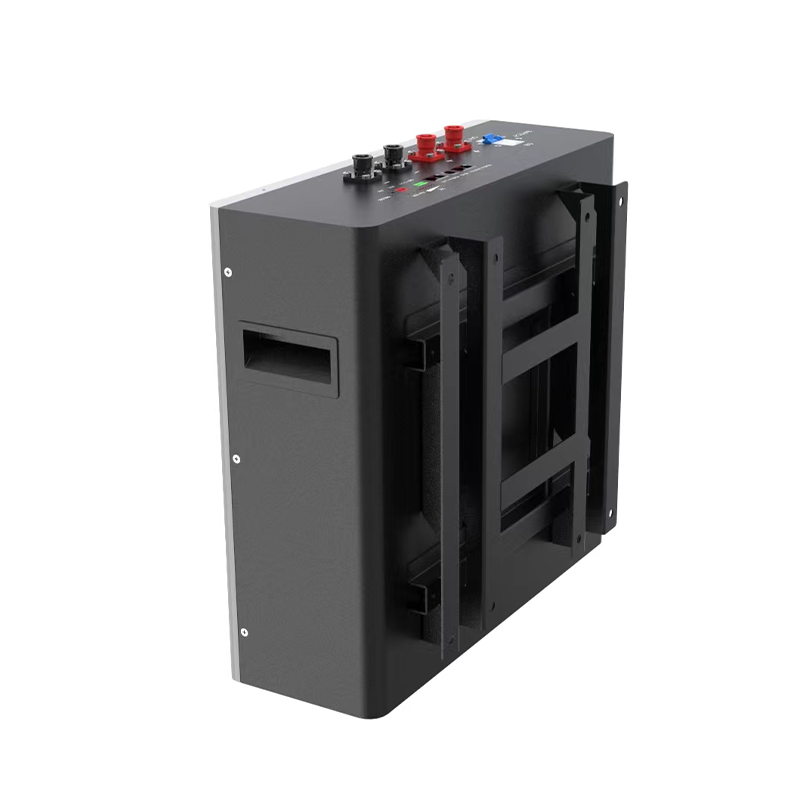
RV deep cycle batteries are a vital component for any recreational vehicle, providing reliable power for various appliances and systems. These batteries are specifically designed to deliver a consistent amount of energy over an extended period, making them ideal for camping, road trips, and off-grid adventures. Understanding the intricacies of RV deep cycle batteries can significantly enhance your experience on the road.
One of the key attributes of RV deep cycle batteries is their ability to discharge deeply while maintaining longevity. Unlike starting batteries, which provide a quick burst of energy to start engines, deep cycle batteries are engineered to be drawn down to a lower state of charge repeatedly. This makes them perfect for powering lights, refrigerators, and other essential equipment in your RV.
When selecting an RV deep cycle battery, consider the different types available. Lead-acid batteries are the most traditional option, available in flooded and sealed varieties. Flooded batteries require regular maintenance, including checking the water levels, whereas sealed batteries, including absorbed glass mat (AGM) and gel types, are maintenance-free and can be mounted in various orientations. Lithium-ion batteries are also gaining popularity due to their lightweight nature, faster charging capabilities, and longer lifespan, though they typically come at a higher initial cost.
Another important factor to consider is the capacity of the battery, measured in amp-hours (Ah). The higher the amp-hour rating, the longer the battery will last before needing a recharge. It's essential to calculate your power requirements based on the devices you plan to use and the duration of your trips. This will help ensure you select a battery with sufficient capacity to meet your needs.
Charging your RV deep cycle battery correctly is crucial for optimal performance and longevity. Regularly monitor the state of charge and use a charger designed for deep cycle batteries to avoid overcharging or undercharging, both of which can significantly reduce the battery's lifespan. Utilizing solar panels can also be an effective way to maintain the charge while on the road, offering a sustainable power source.
Maintenance plays a vital role in extending the life of your RV deep cycle battery. Regularly cleaning the terminals and checking for corrosion can prevent performance issues. It's also a good practice to cycle your battery periodically, allowing it to discharge and recharge fully, as this helps maintain its overall health.
In summary, RV deep cycle batteries are indispensable for ensuring a comfortable and enjoyable experience in your recreational vehicle. By understanding their features, types, and maintenance requirements, you can make informed decisions that enhance your adventures. Whether you opt for traditional lead-acid or modern lithium-ion batteries, proper care will ensure your power source remains reliable for all your travels.
One of the key attributes of RV deep cycle batteries is their ability to discharge deeply while maintaining longevity. Unlike starting batteries, which provide a quick burst of energy to start engines, deep cycle batteries are engineered to be drawn down to a lower state of charge repeatedly. This makes them perfect for powering lights, refrigerators, and other essential equipment in your RV.
When selecting an RV deep cycle battery, consider the different types available. Lead-acid batteries are the most traditional option, available in flooded and sealed varieties. Flooded batteries require regular maintenance, including checking the water levels, whereas sealed batteries, including absorbed glass mat (AGM) and gel types, are maintenance-free and can be mounted in various orientations. Lithium-ion batteries are also gaining popularity due to their lightweight nature, faster charging capabilities, and longer lifespan, though they typically come at a higher initial cost.
Another important factor to consider is the capacity of the battery, measured in amp-hours (Ah). The higher the amp-hour rating, the longer the battery will last before needing a recharge. It's essential to calculate your power requirements based on the devices you plan to use and the duration of your trips. This will help ensure you select a battery with sufficient capacity to meet your needs.
Charging your RV deep cycle battery correctly is crucial for optimal performance and longevity. Regularly monitor the state of charge and use a charger designed for deep cycle batteries to avoid overcharging or undercharging, both of which can significantly reduce the battery's lifespan. Utilizing solar panels can also be an effective way to maintain the charge while on the road, offering a sustainable power source.
Maintenance plays a vital role in extending the life of your RV deep cycle battery. Regularly cleaning the terminals and checking for corrosion can prevent performance issues. It's also a good practice to cycle your battery periodically, allowing it to discharge and recharge fully, as this helps maintain its overall health.
In summary, RV deep cycle batteries are indispensable for ensuring a comfortable and enjoyable experience in your recreational vehicle. By understanding their features, types, and maintenance requirements, you can make informed decisions that enhance your adventures. Whether you opt for traditional lead-acid or modern lithium-ion batteries, proper care will ensure your power source remains reliable for all your travels.
Key words:


Online consultation

Free consultation
All rights reserved©UNIQUE
Business License
Power by:www.300.cn | SEO | Privacy Policy