Welcome to UNIQUE!
Maximizing Efficiency: The Role of Energy Storage Batteries in Forklifts
In the world of material handling, forklifts play a crucial role in warehouse and manufacturing operations. To ensure these machines operate efficiently, energy storage batteries are essential. These batteries provide the necessary power to keep forklifts running smoothly, reducing downtime and increasing productivity. Understanding the different types of energy storage batteries available for for
2025-09-18
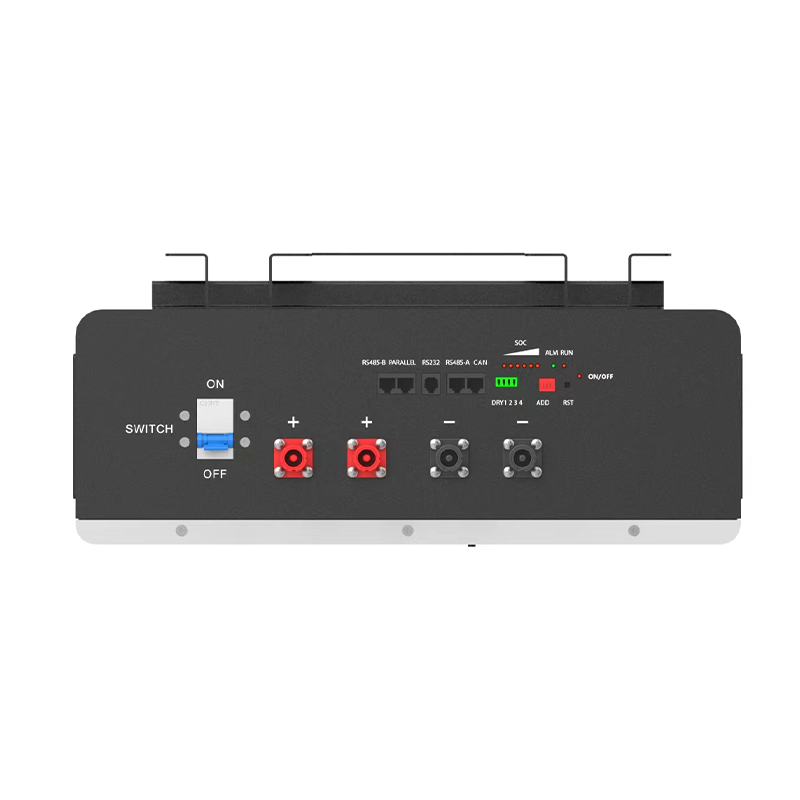
In the world of material handling, forklifts play a crucial role in warehouse and manufacturing operations. To ensure these machines operate efficiently, energy storage batteries are essential. These batteries provide the necessary power to keep forklifts running smoothly, reducing downtime and increasing productivity. Understanding the different types of energy storage batteries available for forklifts and their advantages is vital for businesses aiming to optimize their operations.
Energy storage batteries for forklifts come in various types, including lead-acid, lithium-ion, and nickel-metal hydride (NiMH). Lead-acid batteries have been the traditional choice due to their affordability and reliability. However, they require regular maintenance, such as watering and equalization, to ensure optimal performance. Additionally, lead-acid batteries can take a long time to recharge, which may lead to extended downtime during shifts.
In contrast, lithium-ion batteries are gaining popularity in the forklift industry for their numerous benefits. They offer a faster charging time, allowing forklifts to be ready for use more quickly. Furthermore, lithium-ion batteries have a longer lifespan and require less maintenance compared to their lead-acid counterparts. This can translate to lower total cost of ownership over time, as businesses spend less on replacement batteries and maintenance costs.
Another factor to consider is the environmental impact of energy storage batteries. Lithium-ion batteries, while initially more expensive, can be more sustainable in the long run due to their efficiency and recyclability. As the industry moves towards greener practices, adopting energy storage solutions with lower environmental footprints is becoming increasingly important. Companies that invest in modern battery technology not only enhance their operational efficiency but also contribute positively to their corporate social responsibility goals.
When selecting an energy storage battery for forklifts, it’s essential to evaluate the specific needs of your operations. Consider factors such as the duration of use, charging infrastructure, and maintenance capabilities. A thoughtful battery selection process can lead to significant productivity gains and cost savings.
In summary, energy storage batteries are a crucial component in forklift operations, providing reliable power and contributing to overall efficiency. By understanding the various types of batteries available and their respective advantages, businesses can make informed decisions that align with their operational goals and sustainability efforts. Ultimately, the right energy storage battery can enhance productivity, reduce costs, and support a greener future in material handling.
Energy storage batteries for forklifts come in various types, including lead-acid, lithium-ion, and nickel-metal hydride (NiMH). Lead-acid batteries have been the traditional choice due to their affordability and reliability. However, they require regular maintenance, such as watering and equalization, to ensure optimal performance. Additionally, lead-acid batteries can take a long time to recharge, which may lead to extended downtime during shifts.
In contrast, lithium-ion batteries are gaining popularity in the forklift industry for their numerous benefits. They offer a faster charging time, allowing forklifts to be ready for use more quickly. Furthermore, lithium-ion batteries have a longer lifespan and require less maintenance compared to their lead-acid counterparts. This can translate to lower total cost of ownership over time, as businesses spend less on replacement batteries and maintenance costs.
Another factor to consider is the environmental impact of energy storage batteries. Lithium-ion batteries, while initially more expensive, can be more sustainable in the long run due to their efficiency and recyclability. As the industry moves towards greener practices, adopting energy storage solutions with lower environmental footprints is becoming increasingly important. Companies that invest in modern battery technology not only enhance their operational efficiency but also contribute positively to their corporate social responsibility goals.
When selecting an energy storage battery for forklifts, it’s essential to evaluate the specific needs of your operations. Consider factors such as the duration of use, charging infrastructure, and maintenance capabilities. A thoughtful battery selection process can lead to significant productivity gains and cost savings.
In summary, energy storage batteries are a crucial component in forklift operations, providing reliable power and contributing to overall efficiency. By understanding the various types of batteries available and their respective advantages, businesses can make informed decisions that align with their operational goals and sustainability efforts. Ultimately, the right energy storage battery can enhance productivity, reduce costs, and support a greener future in material handling.
Key words:


Online consultation

Free consultation
All rights reserved©UNIQUE
Business License
Power by:www.300.cn | SEO | Privacy Policy