Welcome to UNIQUE!
76.8V Lithium Batteries: The Smart Choice for Modern Motorcycles
76.8V Lithium Batteries: The Smart Choice for Modern Motorcycles
Table of Contents
1. Introduction to 76.8V Lithium Batteries
2. Advantages of 76.8V Lithium Batteries for Motorcycles
3. Performance Characteristics of 76.8V Lithium Batteries
3.1 Energy Density and Weight
3.2 Discharge Rate and Efficiency
4. Comparing Lithium to Traditional Lead-Acid Batteries
5. Understanding the Technology Behind
2026-04-30
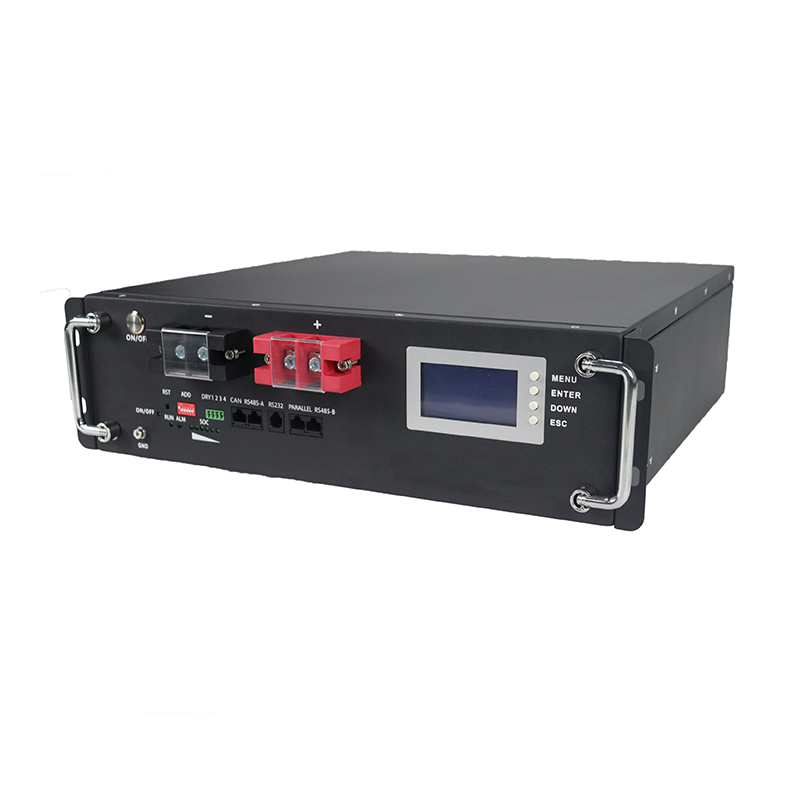
76.8V Lithium Batteries: The Smart Choice for Modern Motorcycles
Table of Contents
1. Introduction to 76.8V Lithium Batteries
2. Advantages of 76.8V Lithium Batteries for Motorcycles
3. Performance Characteristics of 76.8V Lithium Batteries
3.1 Energy Density and Weight
3.2 Discharge Rate and Efficiency
4. Comparing Lithium to Traditional Lead-Acid Batteries
5. Understanding the Technology Behind Lithium Batteries
5.1 Battery Management Systems (BMS)
5.2 Thermal Management and Safety Features
6. Installation and Maintenance of 76.8V Lithium Batteries
7. Frequently Asked Questions (FAQs)
8. Conclusion
1. Introduction to 76.8V Lithium Batteries
The advent of **76.8V lithium batteries** marks a significant advancement in motorcycle technology. These batteries are engineered to deliver high performance and longer life cycles, enhancing the riding experience for motorcyclists worldwide. As electric motorcycles gain popularity, understanding the benefits and features of these batteries is crucial for any rider considering an upgrade.
2. Advantages of 76.8V Lithium Batteries for Motorcycles
The benefits of using **76.8V lithium batteries** in motorcycles are manifold. First and foremost, they offer superior energy density compared to traditional lead-acid batteries, allowing for more power in a lighter package. This translates to improved agility and handling on the road, which every motorcycle enthusiast craves.
In addition to their lightweight nature, lithium batteries have a longer lifespan. While traditional batteries may last 2-3 years, lithium alternatives can often last over 10 years with proper care. This longevity not only saves money in the long run but also reduces waste and environmental impact.
3. Performance Characteristics of 76.8V Lithium Batteries
When evaluating a battery for your motorcycle, performance is paramount. Here, we delve deeper into the specific characteristics that make 76.8V lithium batteries stand out.
3.1 Energy Density and Weight
One of the most significant advantages of lithium batteries is their **energy density**. A **76.8V lithium battery** can store more energy in a smaller, lighter package compared to lead-acid batteries. This characteristic is a game-changer for motorcyclists who prioritize performance and maneuverability.
3.2 Discharge Rate and Efficiency
Lithium batteries also feature an impressive discharge rate. They provide a consistent power output, which is crucial for high-performance motorcycles. The efficiency of these batteries means less energy is wasted during usage, allowing riders to travel longer distances on a single charge.
4. Comparing Lithium to Traditional Lead-Acid Batteries
The comparison between lithium and traditional **lead-acid batteries** reveals substantial differences in performance and usability. While lead-acid batteries are often more affordable upfront, the long-term costs associated with maintenance and replacement can outweigh the initial savings.
Lithium batteries, on the other hand, provide a more reliable solution. They require minimal maintenance, have faster charging times, and can withstand deeper discharges without damage, making them a more practical choice for modern motorcyclists.
5. Understanding the Technology Behind Lithium Batteries
To appreciate the benefits of **76.8V lithium batteries**, it's essential to understand the technology that powers them.
5.1 Battery Management Systems (BMS)
One of the critical components of lithium batteries is the **Battery Management System (BMS)**. This system monitors the battery’s condition, ensuring optimal performance and enhancing safety. It protects against overcharging, overheating, and short-circuits, thus prolonging battery life.
5.2 Thermal Management and Safety Features
Thermal management is another vital aspect of lithium battery technology. By maintaining an optimal operating temperature, these batteries can perform efficiently and safely. Safety features, such as thermal fuses and cell balancing, further enhance their reliability.
6. Installation and Maintenance of 76.8V Lithium Batteries
Installing a **76.8V lithium battery** in your motorcycle is generally straightforward, but it requires attention to detail. Proper installation ensures that the battery operates efficiently and safely. Here are some tips for installation and maintenance:
1. **Follow Manufacturer Guidelines**: Always refer to the manufacturer’s instructions when installing your new battery.
2. **Use the Right Tools**: Ensure you have the necessary tools for installation, including wrenches and connectors.
3. **Regular Checks**: Periodically check your battery’s connections and overall condition to ensure optimal performance.
4. **Avoid Overcharging**: Use a compatible charger designed for lithium batteries to prevent overcharging.
7. Frequently Asked Questions (FAQs)
What is the lifespan of a 76.8V lithium battery?
A well-maintained **76.8V lithium battery** can last over 10 years, depending on usage and care.
How does a lithium battery compare to a lead-acid battery in terms of weight?
Lithium batteries are significantly lighter than lead-acid batteries, offering better performance and handling.
Can I install a 76.8V lithium battery in any motorcycle?
While many motorcycles can accommodate lithium batteries, it’s essential to check compatibility with your specific model.
How long does it take to charge a 76.8V lithium battery?
Charging times can vary, but a **76.8V lithium battery** typically charges faster than lead-acid batteries, often within a few hours.
Are there safety concerns with lithium batteries?
While lithium batteries are generally safe, proper installation and use of a Battery Management System (BMS) are crucial to prevent issues like overheating and overcharging.
8. Conclusion
In summary, **76.8V lithium batteries** represent a significant advancement in motorcycle technology, providing numerous benefits over traditional battery types. Their lightweight design, long lifespan, and superior performance make them the best choice for modern motorcyclists looking for reliability and efficiency. As the electric motorcycle market continues to grow, the 76.8V lithium battery stands out as a smart, forward-thinking option for riders seeking to enhance their experience on the road. Investing in this advanced technology not only elevates your ride but also contributes to a more sustainable future in motorcycling.
Key words:
Related News


Online consultation

Free consultation
All rights reserved©UNIQUE
Business License
Power by:www.300.cn | SEO | Privacy Policy