Welcome to UNIQUE!
Understanding the Importance of RV Deep Cycle Batteries for Your Adventures
When it comes to powering your recreational vehicle (RV), understanding the nuances of RV deep cycle batteries is crucial for ensuring a seamless and enjoyable journey. Unlike standard car batteries, deep cycle batteries are designed to provide a steady amount of power over an extended period, making them ideal for RV applications where power needs to be drawn for extended durations.
One of the pr
2026-04-08
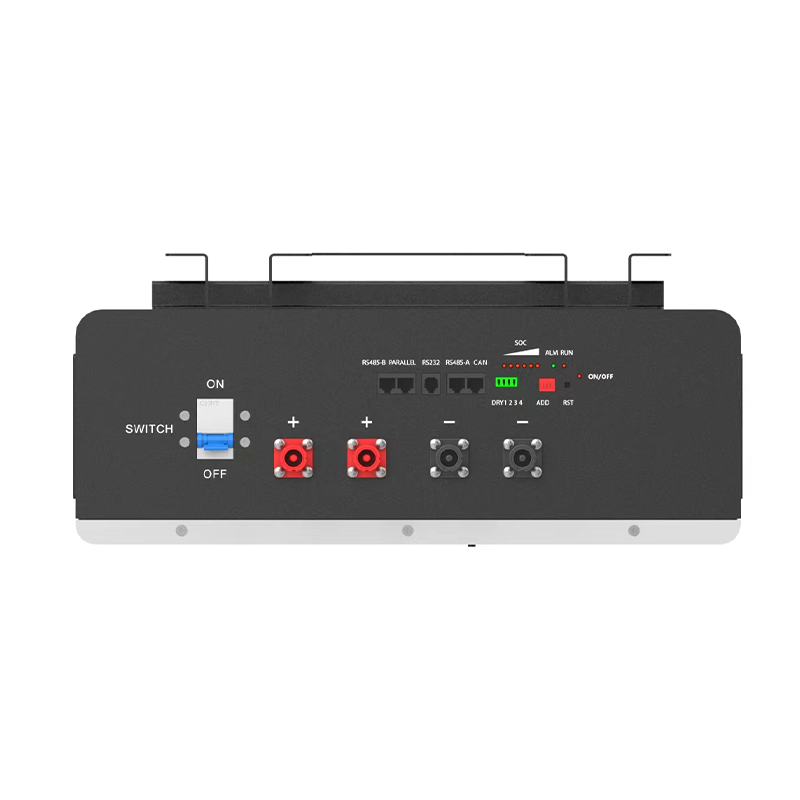
When it comes to powering your recreational vehicle (RV), understanding the nuances of RV deep cycle batteries is crucial for ensuring a seamless and enjoyable journey. Unlike standard car batteries, deep cycle batteries are designed to provide a steady amount of power over an extended period, making them ideal for RV applications where power needs to be drawn for extended durations.
One of the primary advantages of RV deep cycle batteries is their ability to be discharged and recharged multiple times without significant damage. This characteristic is essential for RV enthusiasts who rely on battery power for various systems, such as lighting, refrigeration, and other essential appliances. By utilizing deep cycle batteries, you can enjoy all the comforts of home while on the road.
Additionally, deep cycle batteries come in different types, including flooded lead-acid, gel, and lithium-ion. Flooded lead-acid batteries are the most common and cost-effective option, although they require regular maintenance and ventilation due to the release of gases during charging. Gel batteries, on the other hand, offer a sealed design that reduces maintenance and increases safety, making them suitable for tighter spaces in RVs. Lithium-ion batteries, although more expensive, provide superior performance, longer lifespan, and reduced weight, making them an attractive choice for serious RVers.
Proper maintenance of your RV deep cycle battery is essential to prolong its lifespan and maintain optimal performance. Regularly checking the battery’s water levels, cleaning terminals, and ensuring proper connections can prevent premature failure. Additionally, it’s advisable to use a quality charger designed for deep cycle batteries to facilitate efficient charging and prevent overcharging, which can lead to reduced battery life.
When selecting an RV deep cycle battery, consider factors such as capacity (measured in amp-hours), discharge rate, and weight. It's crucial to choose a battery that meets your power demands while fitting within the weight limitations of your RV. Many RV owners also opt for dual battery setups to ensure they have adequate power for extended trips, allowing for the simultaneous use of multiple appliances without the fear of depleting their battery.
In summary, RV deep cycle batteries are a vital component for ensuring a reliable power source during your travels. By understanding their features, maintenance needs, and the various types available, you can make informed choices that enhance your outdoor experiences. Whether you're embarking on a weekend getaway or a months-long expedition, the right deep cycle battery will keep your RV running smoothly and your adventures powered up.
One of the primary advantages of RV deep cycle batteries is their ability to be discharged and recharged multiple times without significant damage. This characteristic is essential for RV enthusiasts who rely on battery power for various systems, such as lighting, refrigeration, and other essential appliances. By utilizing deep cycle batteries, you can enjoy all the comforts of home while on the road.
Additionally, deep cycle batteries come in different types, including flooded lead-acid, gel, and lithium-ion. Flooded lead-acid batteries are the most common and cost-effective option, although they require regular maintenance and ventilation due to the release of gases during charging. Gel batteries, on the other hand, offer a sealed design that reduces maintenance and increases safety, making them suitable for tighter spaces in RVs. Lithium-ion batteries, although more expensive, provide superior performance, longer lifespan, and reduced weight, making them an attractive choice for serious RVers.
Proper maintenance of your RV deep cycle battery is essential to prolong its lifespan and maintain optimal performance. Regularly checking the battery’s water levels, cleaning terminals, and ensuring proper connections can prevent premature failure. Additionally, it’s advisable to use a quality charger designed for deep cycle batteries to facilitate efficient charging and prevent overcharging, which can lead to reduced battery life.
When selecting an RV deep cycle battery, consider factors such as capacity (measured in amp-hours), discharge rate, and weight. It's crucial to choose a battery that meets your power demands while fitting within the weight limitations of your RV. Many RV owners also opt for dual battery setups to ensure they have adequate power for extended trips, allowing for the simultaneous use of multiple appliances without the fear of depleting their battery.
In summary, RV deep cycle batteries are a vital component for ensuring a reliable power source during your travels. By understanding their features, maintenance needs, and the various types available, you can make informed choices that enhance your outdoor experiences. Whether you're embarking on a weekend getaway or a months-long expedition, the right deep cycle battery will keep your RV running smoothly and your adventures powered up.
Key words:
Previous:
Related News


Online consultation

Free consultation
All rights reserved©UNIQUE
Business License
Power by:www.300.cn | SEO | Privacy Policy