Welcome to UNIQUE!
Understanding the Advantages of 76.8V Motorcycle Lithium Batteries
The 76.8V motorcycle lithium battery represents a significant advancement in the field of electric vehicle technology, particularly for motorcycles. As the demand for efficient and high-performance energy storage solutions grows, lithium batteries have emerged as a preferred choice for many manufacturers and riders alike. Here’s a closer look at why 76.8V lithium batteries are becoming increasingl
2025-08-03
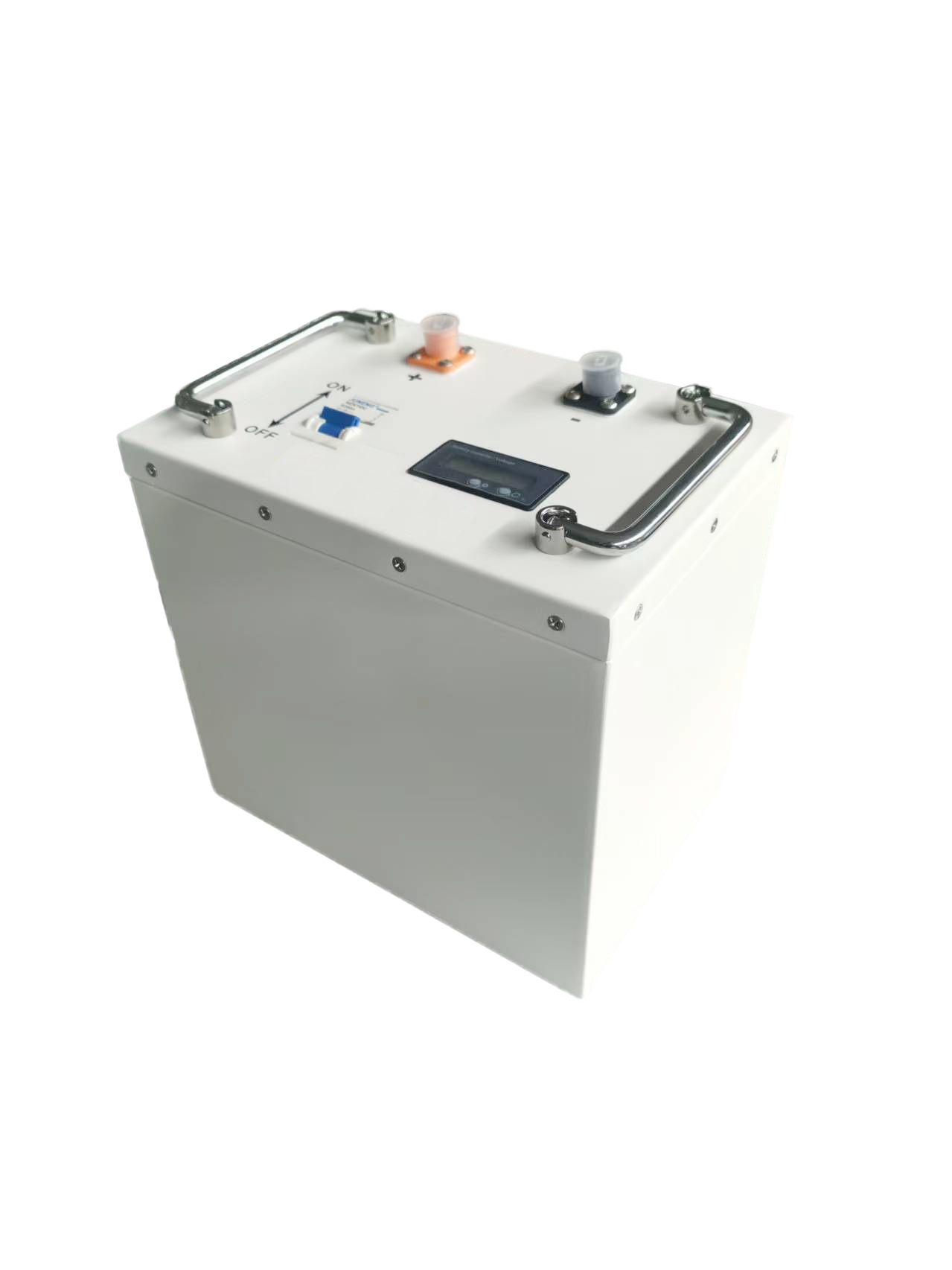
The 76.8V motorcycle lithium battery represents a significant advancement in the field of electric vehicle technology, particularly for motorcycles. As the demand for efficient and high-performance energy storage solutions grows, lithium batteries have emerged as a preferred choice for many manufacturers and riders alike. Here’s a closer look at why 76.8V lithium batteries are becoming increasingly popular in the motorcycle industry.
One of the primary benefits of a 76.8V lithium battery is its remarkable energy density. Lithium batteries can store more energy relative to their weight and size compared to traditional lead-acid batteries. This higher energy density allows electric motorcycles to achieve longer ranges on a single charge, enhancing their practicality for everyday use. Riders can travel further without the constant need for recharging, making these batteries ideal for both urban commuting and longer journeys.
Another significant advantage of 76.8V lithium batteries is their lightweight nature. The reduction in weight translates to improved handling and performance for motorcycles. Riders can experience better acceleration and maneuverability, as well as reduced strain on the motorcycle’s frame and suspension. This lightweight characteristic also contributes to better overall efficiency, as less energy is required to move the vehicle.
In addition to weight and energy density, 76.8V motorcycle lithium batteries offer enhanced lifespan and durability. Unlike traditional batteries, lithium batteries are less prone to sulfation and have a lower self-discharge rate. This means that they can hold their charge for longer periods when not in use, making them more reliable for riders who may not use their motorcycles frequently. Furthermore, lithium batteries typically have a longer cycle life, meaning they can withstand more charge and discharge cycles before their performance begins to degrade.
Safety is another critical factor in choosing a 76.8V lithium battery. While all batteries have associated risks, modern lithium batteries come equipped with advanced battery management systems (BMS) that monitor and regulate their performance. These systems help prevent overcharging, overheating, and short circuits, providing an additional layer of safety for riders.
From a charging perspective, 76.8V lithium batteries also support faster charging times than traditional battery types. This capability allows riders to quickly recharge their motorcycles, making them more convenient for daily use. Many modern charging solutions are designed to be user-friendly, often featuring plug-and-play systems that simplify the process.
In conclusion, the 76.8V motorcycle lithium battery stands out for its energy efficiency, lightweight design, longevity, safety features, and rapid charging capabilities. As electric motorcycle technology continues to evolve, these batteries are likely to play a pivotal role in shaping the future of transportation, making them a smart choice for both manufacturers and riders seeking reliable, high-performance energy solutions.
One of the primary benefits of a 76.8V lithium battery is its remarkable energy density. Lithium batteries can store more energy relative to their weight and size compared to traditional lead-acid batteries. This higher energy density allows electric motorcycles to achieve longer ranges on a single charge, enhancing their practicality for everyday use. Riders can travel further without the constant need for recharging, making these batteries ideal for both urban commuting and longer journeys.
Another significant advantage of 76.8V lithium batteries is their lightweight nature. The reduction in weight translates to improved handling and performance for motorcycles. Riders can experience better acceleration and maneuverability, as well as reduced strain on the motorcycle’s frame and suspension. This lightweight characteristic also contributes to better overall efficiency, as less energy is required to move the vehicle.
In addition to weight and energy density, 76.8V motorcycle lithium batteries offer enhanced lifespan and durability. Unlike traditional batteries, lithium batteries are less prone to sulfation and have a lower self-discharge rate. This means that they can hold their charge for longer periods when not in use, making them more reliable for riders who may not use their motorcycles frequently. Furthermore, lithium batteries typically have a longer cycle life, meaning they can withstand more charge and discharge cycles before their performance begins to degrade.
Safety is another critical factor in choosing a 76.8V lithium battery. While all batteries have associated risks, modern lithium batteries come equipped with advanced battery management systems (BMS) that monitor and regulate their performance. These systems help prevent overcharging, overheating, and short circuits, providing an additional layer of safety for riders.
From a charging perspective, 76.8V lithium batteries also support faster charging times than traditional battery types. This capability allows riders to quickly recharge their motorcycles, making them more convenient for daily use. Many modern charging solutions are designed to be user-friendly, often featuring plug-and-play systems that simplify the process.
In conclusion, the 76.8V motorcycle lithium battery stands out for its energy efficiency, lightweight design, longevity, safety features, and rapid charging capabilities. As electric motorcycle technology continues to evolve, these batteries are likely to play a pivotal role in shaping the future of transportation, making them a smart choice for both manufacturers and riders seeking reliable, high-performance energy solutions.
Key words:


Online consultation

Free consultation
All rights reserved©UNIQUE
Business License
Power by:www.300.cn | SEO | Privacy Policy