Welcome to UNIQUE!
How to Choose the Best RV Lithium Battery for Your Camping Needs
How to Choose the Best RV Lithium Battery for Your Camping Needs
When planning a camping trip in your RV, having a reliable power source is paramount. The right lithium battery can significantly enhance your experience, providing the energy you need for all your electronic devices and appliances. In this comprehensive guide, we will delve into the essential aspects of selecting the best RV lithium
2025-08-02
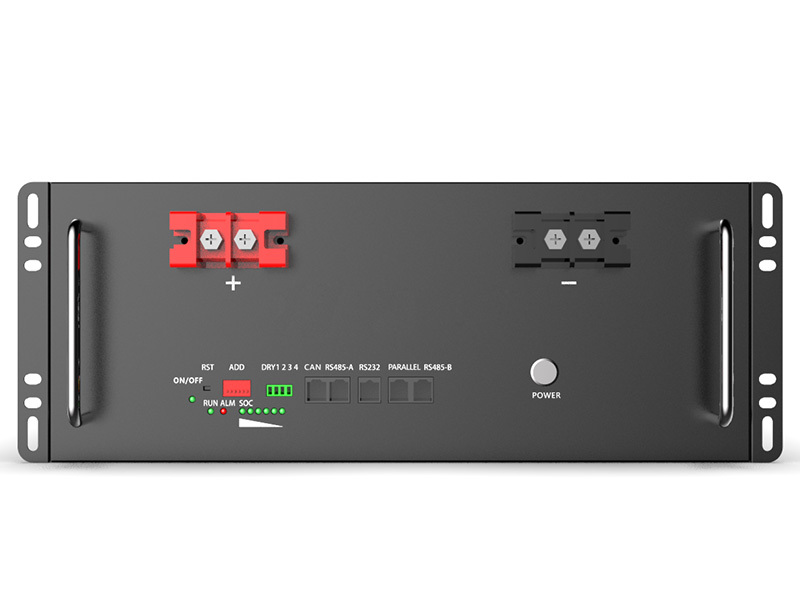
How to Choose the Best RV Lithium Battery for Your Camping Needs
When planning a camping trip in your RV, having a reliable power source is paramount. The right lithium battery can significantly enhance your experience, providing the energy you need for all your electronic devices and appliances. In this comprehensive guide, we will delve into the essential aspects of selecting the best RV lithium battery, ensuring you make an informed decision tailored to your specific needs.
Table of Contents
1. Understanding RV Lithium Batteries
2. Why Choose Lithium Batteries Over Traditional Lead-Acid Batteries?
3. Key Factors to Consider When Choosing an RV Lithium Battery
3.1 Battery Capacity and Amp Hours
3.2 Weight and Size
3.3 Cycle Life and Lifespan
3.4 Charging Efficiency and Time
3.5 Safety Features
4. Types of Lithium Batteries Suitable for RVs
4.1 Lithium Iron Phosphate (LiFePO4)
4.2 Lithium Nickel Manganese Cobalt (NMC)
5. Compatibility with RV Systems
6. Cost Considerations and Budgeting
7. Installation Tips for Your RV Lithium Battery
8. Frequently Asked Questions (FAQs)
9. Conclusion
1. Understanding RV Lithium Batteries
RV lithium batteries are a modern power solution ideal for camping enthusiasts. They store energy efficiently and are designed to provide reliable performance over extended periods. Unlike traditional lead-acid batteries, lithium batteries have a higher energy density, making them lightweight and capable of holding a charge for longer durations. This section will explain the technology behind lithium batteries and how it benefits RV users.
2. Why Choose Lithium Batteries Over Traditional Lead-Acid Batteries?
Lithium batteries have surged in popularity due to their numerous advantages over traditional lead-acid batteries. Here are a few compelling reasons to consider lithium for your RV:
- **Longer Lifespan**: Lithium batteries can last up to 10 years or more with proper care, compared to lead-acid batteries, which may need replacement every 3-5 years.
- **Lightweight Design**: Lithium batteries tend to be significantly lighter than their lead-acid counterparts, making them easier to install and transport.
- **Faster Charging**: Most lithium batteries can be charged much more quickly, allowing for less downtime during your camping adventures.
- **Deeper Discharge**: Lithium batteries can be discharged to a lower state without damage, providing you with more usable power.
3. Key Factors to Consider When Choosing an RV Lithium Battery
Selecting the right lithium battery for your RV involves evaluating several critical factors. Below, we outline the most important considerations to keep in mind.
3.1 Battery Capacity and Amp Hours
Battery capacity is measured in amp-hours (Ah), which indicates how much energy the battery can store. For RV usage, consider your power consumption needs. A higher Ah rating means more stored energy, which translates to longer usage between charges. Assess your appliances and devices to determine an appropriate capacity.
3.2 Weight and Size
The dimensions and weight of the battery are crucial for RV installation. Ensure that you have adequate space for the battery in your RV's designated battery compartment. A lighter battery can also enhance your RV's overall handling and fuel efficiency.
3.3 Cycle Life and Lifespan
Cycle life refers to the number of complete charge and discharge cycles a battery can undergo before its capacity significantly diminishes. Opt for batteries with a higher cycle life, as this indicates durability and reliability over time.
3.4 Charging Efficiency and Time
Evaluate how quickly the battery can be charged and its overall charging efficiency. Lithium batteries typically charge faster than conventional types. Look for batteries that offer higher efficiency ratings to maximize your power usage.
3.5 Safety Features
Safety should always be a priority when choosing a battery. Look for batteries equipped with built-in safety features such as over-voltage protection, short-circuit protection, and thermal regulation mechanisms. These features can prevent potential hazards and ensure a safe camping experience.
4. Types of Lithium Batteries Suitable for RVs
When selecting an RV lithium battery, it's essential to understand the different types available on the market.
4.1 Lithium Iron Phosphate (LiFePO4)
LiFePO4 batteries are known for their stability, safety, and longevity. They are an excellent choice for RV users due to their enhanced thermal stability and low risk of combustion. Their longer life cycle makes them a preferred option for those seeking long-term power solutions.
4.2 Lithium Nickel Manganese Cobalt (NMC)
NMC batteries offer a balance between performance and cost. They are generally lighter and can provide higher energy densities, making them suitable for various RV applications. However, they may have a shorter life cycle compared to LiFePO4 batteries.
5. Compatibility with RV Systems
Ensure that the lithium battery you choose is compatible with your RV’s electrical system. Pay close attention to the voltage requirements and existing setup. Most RVs operate on 12V systems, but it’s crucial to confirm this to avoid any operational issues.
6. Cost Considerations and Budgeting
Lithium batteries tend to have a higher upfront cost than traditional lead-acid batteries. However, considering their longevity, efficiency, and low maintenance requirements, they often prove to be more cost-effective in the long run. Set a budget that takes into account your immediate needs and long-term savings.
7. Installation Tips for Your RV Lithium Battery
Installing a lithium battery in your RV can be straightforward, but it’s essential to follow proper procedures to ensure optimal performance and safety:
- **Read the Manual**: Always consult the manufacturer’s manual for specific installation guidelines.
- **Use Proper Connectors**: Ensure you use connectors that are rated for the battery’s current and voltage.
- **Secure the Battery**: Properly secure the battery to prevent movement during travel.
- **Double-Check Polarity**: Confirm that you connect the positive and negative terminals correctly to avoid damage.
8. Frequently Asked Questions (FAQs)
1. How long do RV lithium batteries last?
Lithium batteries can last up to 10 years or more with proper care and maintenance.
2. Are lithium batteries worth the investment for RVs?
Yes, despite the higher initial cost, their longevity and efficiency often result in long-term savings.
3. Can I use a lithium battery with my existing RV system?
Yes, as long as the battery’s voltage matches your RV’s electrical system, it should be compatible.
4. Do I need a special charger for lithium batteries?
Yes, a charger specifically designed for lithium batteries is recommended to ensure safe and efficient charging.
5. What maintenance do lithium batteries require?
Lithium batteries require minimal maintenance, but it's essential to keep an eye on their charge levels and perform periodic inspections.
9. Conclusion
Choosing the best RV lithium battery for your camping needs is crucial for ensuring a comfortable and efficient outdoor experience. By considering factors such as capacity, weight, lifespan, charging efficiency, and safety features, you can make an informed decision that suits your power requirements. The right lithium battery not only enhances your camping adventures but also provides peace of mind knowing you have a reliable energy source at your fingertips. Embrace the freedom of the open road, powered by a dependable lithium battery tailored to your RV lifestyle.
Key words:


Online consultation

Free consultation
All rights reserved©UNIQUE
Business License
Power by:www.300.cn | SEO | Privacy Policy