Welcome to UNIQUE!
Maximizing Performance: How Lithium Batteries Enhance Forklift Operations
Maximizing Performance: How Lithium Batteries Enhance Forklift Operations
Table of Contents
1. Introduction to Lithium Batteries in Forklift Operations
2. The Benefits of Lithium Batteries Over Traditional Lead-Acid Batteries
3. Enhancing Efficiency with Lithium Technology
3.1. Faster Charging Times
3.2. Extended Lifespan
4. Cost Efficiency and Return on Investment
4.1. Lower Maintenance Costs
4.2
2026-04-22
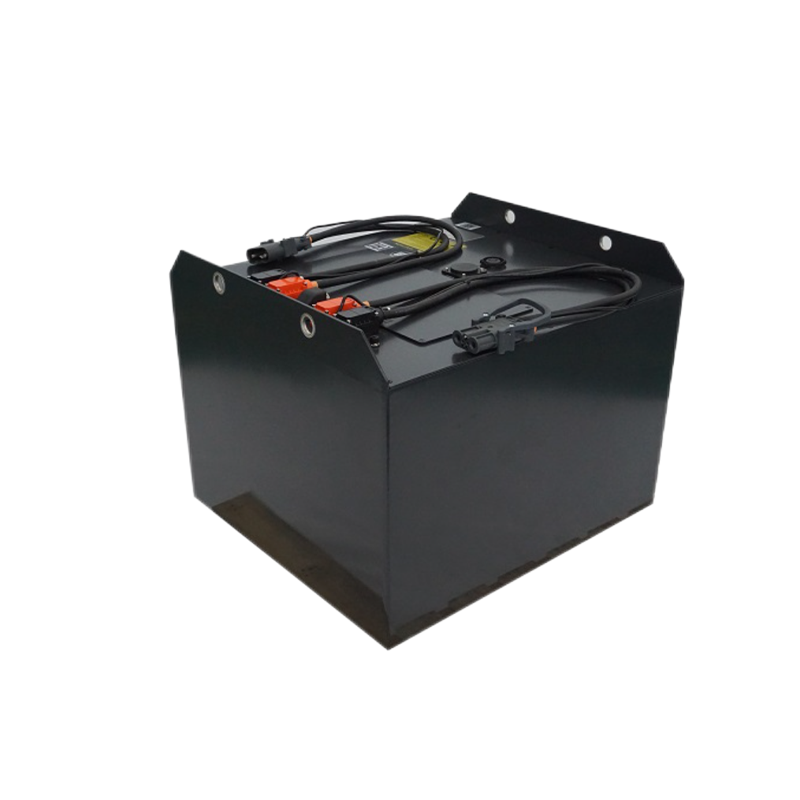
Maximizing Performance: How Lithium Batteries Enhance Forklift Operations
Table of Contents
1. Introduction to Lithium Batteries in Forklift Operations
2. The Benefits of Lithium Batteries Over Traditional Lead-Acid Batteries
3. Enhancing Efficiency with Lithium Technology
3.1. Faster Charging Times
3.2. Extended Lifespan
4. Cost Efficiency and Return on Investment
4.1. Lower Maintenance Costs
4.2. Increased Productivity
5. Environmental Impact of Lithium Batteries
6. Safety Features of Lithium Batteries
7. Real-World Applications of Lithium Battery-Powered Forklifts
8. Frequently Asked Questions (FAQs)
9. Conclusion
1. Introduction to Lithium Batteries in Forklift Operations
In today's fast-paced industrial environment, maximizing efficiency and productivity is vital for success. Lithium batteries have emerged as a revolutionary power source for forklifts, transforming how businesses operate. Unlike traditional lead-acid batteries, lithium batteries offer a range of advantages that enhance performance and extend operational capabilities.
2. The Benefits of Lithium Batteries Over Traditional Lead-Acid Batteries
The shift from lead-acid to lithium batteries in forklift operations is not just a trend; it’s a necessity driven by performance demands. Here are some compelling benefits of lithium batteries:
2.1. Weight and Size Considerations
Lithium batteries are typically lighter and more compact than their lead-acid counterparts. This reduction in weight allows for higher lifting capacities and improved maneuverability, enhancing overall forklift performance.
2.2. Energy Density
Lithium batteries provide a higher energy density, meaning they can store more energy in a smaller space. This efficiency is crucial for operations requiring extended runtime without frequent recharging.
3. Enhancing Efficiency with Lithium Technology
Lithium batteries are not just about being lighter; they redefine efficiency in several key ways:
3.1. Faster Charging Times
One of the standout features of lithium batteries is their rapid charging capability. Most lithium batteries can be charged in 1-2 hours, compared to the 8-12 hours required for lead-acid batteries. This quick turnaround time means forklifts spend less time idle and more time in operation.
3.2. Extended Lifespan
Lithium batteries typically last 2-3 times longer than lead-acid batteries. This longevity not only reduces replacement frequency but also translates to lower costs over time, making lithium a more sustainable choice.
4. Cost Efficiency and Return on Investment
Investing in lithium battery technology yields significant cost savings for businesses.
4.1. Lower Maintenance Costs
Lithium batteries require minimal maintenance compared to lead-acid batteries, which need regular water refills and equalizing charges. The reduction in required maintenance translates to lower operational costs.
4.2. Increased Productivity
With faster charging and longer lifespans, lithium batteries keep forklifts operational, leading to increased productivity. Fewer downtimes mean more goods can be moved, enhancing overall efficiency in warehouse operations.
5. Environmental Impact of Lithium Batteries
As businesses increasingly focus on sustainability, the environmental benefits of lithium batteries are noteworthy. They contain fewer toxic materials than lead-acid batteries, making them a greener choice. Additionally, lithium batteries are often recyclable, contributing to a reduced carbon footprint.
6. Safety Features of Lithium Batteries
Safety is paramount in industrial settings. Lithium batteries come equipped with several safety features that mitigate risks associated with battery failure:
6.1. Integrated Battery Management Systems (BMS)
Most lithium batteries include a BMS that monitors the battery's health, ensuring optimal performance and safety. This system protects against overcharging, overheating, and short circuits.
6.2. Fire Resistance
Lithium batteries are designed to withstand extreme conditions, significantly reducing the risk of fire compared to traditional batteries.
7. Real-World Applications of Lithium Battery-Powered Forklifts
Many industries are already reaping the benefits of lithium battery technology in their forklift operations:
7.1. Warehousing and Distribution Centers
In high-demand environments like warehouses, lithium-powered forklifts are an ideal solution. Their quick recharging abilities and long-lasting performance ensure that operations run smoothly, even during peak hours.
7.2. Manufacturing Facilities
Manufacturers benefit from the operational efficiencies provided by lithium batteries. The reduced downtime and maintenance needs allow for continuous production runs, which is essential for meeting market demands.
8. Frequently Asked Questions (FAQs)
8.1. How long do lithium batteries last in forklifts?
Lithium batteries typically last between 5 to 10 years, depending on usage and maintenance.
8.2. Are lithium batteries safe to use in industrial applications?
Yes, lithium batteries come with advanced safety features, including Battery Management Systems and fire-resistant designs, making them safe for industrial use.
8.3. Can lithium batteries be used in all types of forklifts?
Most modern forklifts can be adapted to use lithium batteries, but it’s essential to consult with the manufacturer for compatibility.
8.4. What are the charging requirements for lithium batteries?
Lithium batteries require a dedicated charger, typically capable of fast charging in 1-2 hours.
8.5. What is the environmental impact of disposing of lithium batteries?
Lithium batteries have a lower environmental impact compared to lead-acid batteries and are often recyclable, which helps reduce waste.
9. Conclusion
Lithium batteries represent a significant advancement in forklift technology, offering numerous benefits that enhance operational efficiency, safety, and environmental sustainability. The transition from traditional lead-acid batteries to lithium technology is not just an upgrade; it is a strategic investment that can lead to substantial cost savings and improved productivity. As industries continue to evolve, embracing lithium battery-powered forklifts will undoubtedly be a key factor in maximizing performance and staying competitive in the market. Embracing this technology today can prepare businesses for the challenges of tomorrow.
Key words:


Online consultation

Free consultation
All rights reserved©UNIQUE
Business License
Power by:www.300.cn | SEO | Privacy Policy