Welcome to UNIQUE!
Camp Longer and Smarter with Efficient RV Lithium Batteries: The Ultimate Guide
2026-03-29
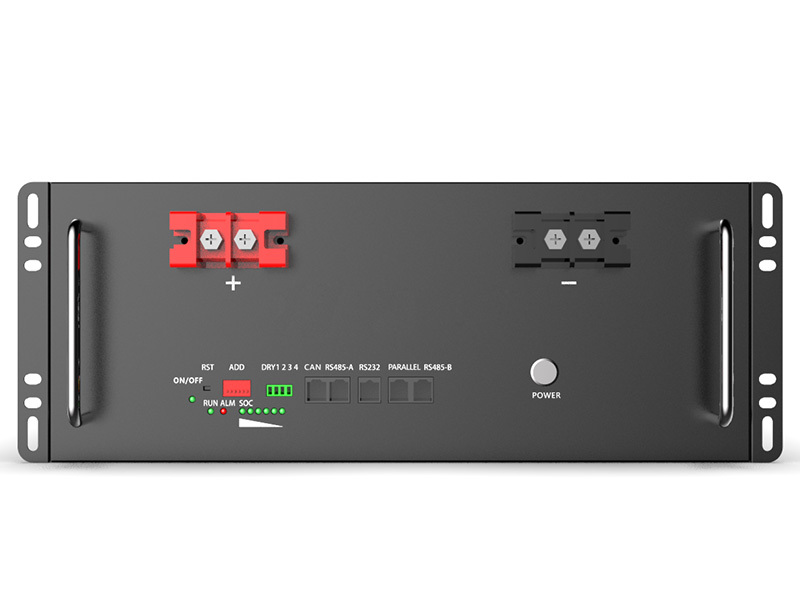
Camp Longer and Smarter with Efficient RV Lithium Batteries
Camping enthusiasts and RV owners are increasingly turning to lithium batteries to enhance their outdoor experiences. In this detailed guide, we will explore the advantages of using efficient RV lithium batteries, how they outperform traditional lead-acid batteries, installation tips, maintenance, and much more. Let’s dive into the world of lithium batteries and discover how they can enable you to camp longer and smarter.
Understanding the Basics of RV Lithium Batteries
What Are RV Lithium Batteries?
RV lithium batteries are rechargeable batteries that utilize lithium-ion technology. They offer a lightweight, compact design with a higher energy density than traditional lead-acid batteries. This means that lithium batteries can provide more power and longer life, making them ideal for RV use.
How Do Lithium Batteries Work?
The functioning of lithium batteries differs significantly from lead-acid counterparts. They rely on lithium salts dissolved in an organic solvent to store and release energy. This technology allows for faster charging times, improved efficiency, and a longer lifespan. Additionally, lithium batteries can sustain a deeper discharge without damaging the cells, enabling users to utilize more of their stored energy.
Key Components of an RV Lithium Battery
Understanding the primary components of lithium batteries can help you make informed decisions:
- Cell Chemistry: Lithium iron phosphate (LiFePO4) is a popular choice for RV batteries due to its thermal stability and safety.
- Battery Management System (BMS): A crucial component that protects the battery from overcharging, overheating, and short circuits.
- Capacity: Measured in amp-hours (Ah), it dictates how much energy the battery can store and provide.
The Advantages of Using Lithium Batteries in Your RV
Increased Energy Efficiency
One of the standout features of lithium batteries is their superior energy efficiency. Unlike lead-acid batteries, which can only utilize about 50% of their capacity, lithium batteries can discharge up to 80-100% of their stored energy. This means more power for appliances, lights, and gadgets during your camping trips.
Longer Lifespan and Durability
Investing in lithium batteries means accessing a longer lifespan, typically ranging from 10 to 15 years. In contrast, lead-acid batteries may last only 3 to 5 years. This longevity translates to fewer replacements and lower long-term costs, making lithium batteries a more economical choice for RV owners.
Lightweight and Compact Design
Lithium batteries are significantly lighter than traditional batteries. This weight reduction can enhance your RV's fuel efficiency, allowing for easier handling and installation. A lithium battery can weigh up to 60% less than a comparable lead-acid battery, giving you valuable space and weight savings.
Fast Charging Capabilities
Another remarkable benefit of lithium batteries is their ability to charge quickly. Most lithium batteries can reach a full charge in just a few hours, compared to the longer charging times required by lead-acid batteries. This feature is particularly useful for RV owners who may need to recharge between camping sites.
Installation of RV Lithium Batteries
Preparing for the Installation
Before installing lithium batteries in your RV, proper preparation is essential. Here are steps to ensure a smooth installation process:
- Assess Your Power Needs: Calculate the wattage of the appliances you plan to use and determine the capacity you'll need.
- Check Compatibility: Ensure your RV's existing electrical system is compatible with lithium batteries.
- Gather Necessary Tools: You'll typically need a socket set, wire cutters, and safety gear for the installation.
Step-by-Step Installation Guide
Follow these steps for installing your new RV lithium batteries:
- Disconnect the Old Battery: Safely disconnect and remove any existing lead-acid batteries.
- Install Battery Holders: If necessary, install battery holders or brackets to secure the new lithium batteries.
- Connect Wiring: Carefully connect the positive and negative wires to the corresponding terminals on the lithium battery, ensuring secure and tight connections.
- Install the Battery Management System: If your battery comes with a BMS, ensure it is correctly integrated into your system.
- Test the System: Once installed, power up the system and check all connections to ensure everything operates smoothly.
Maintaining Your RV Lithium Batteries
Regular Maintenance Tips
Maintaining your lithium battery is crucial for optimal performance and longevity. Here are some essential tips:
- Keep Connections Clean: Regularly inspect and clean the terminals and connections to prevent corrosion.
- Monitor Battery Levels: Use a battery monitor to keep track of your charge levels and ensure you don’t over-discharge.
- Store Properly: If storing your RV, keep the battery at a moderate temperature and charge it to 50% before storage.
Understanding Warranty and Lifespan
Most lithium batteries come with warranties ranging from 5 to 10 years. Familiarize yourself with the warranty terms and conditions to ensure that you understand what is covered. Proper maintenance and usage can significantly extend the lifespan of your battery.
Cost Considerations of RV Lithium Batteries
Initial Investment vs. Long-Term Savings
While the initial cost of lithium batteries can be higher than that of lead-acid batteries, it’s essential to consider the long-term savings. The longevity, efficiency, and decreased frequency of replacement batteries make lithium batteries a cost-effective choice over time.
Finding the Right Battery for Your RV
When selecting the right lithium battery for your RV, consider the following aspects:
- Brand Reputation: Opt for reputable brands that offer quality products and customer support.
- Battery Capacity: Choose a battery with a capacity that meets your power needs for your specific RV usage.
- BMS Features: Ensure that the battery has a reliable Battery Management System for optimal protection.
Common Misconceptions About Lithium Batteries
Debunking Myths
Several myths surround lithium batteries that can lead to misconceptions:
- Myth 1: Lithium batteries are too expensive. Truth: While the upfront cost is higher, long-term savings can outweigh initial investments.
- Myth 2: Lithium batteries are dangerous. Truth: With the proper BMS, lithium batteries are safe and reliable.
- Myth 3: Lithium batteries are not suitable for cold weather. Truth: Although performance can decrease in extreme cold, many lithium batteries are designed for a range of temperatures.
Frequently Asked Questions (FAQs)
1. What is the average lifespan of an RV lithium battery?
The average lifespan of an RV lithium battery can range from 10 to 15 years, depending on usage and maintenance.
2. Can I replace my lead-acid battery with a lithium battery directly?
Yes, you can replace a lead-acid battery with a lithium battery, but ensure your RV’s electrical system is compatible with the new battery.
3. Are lithium batteries safe for RV use?
Yes, when used with a proper Battery Management System, lithium batteries are safe and reliable.
4. How do I maintain my RV lithium battery?
Regularly check connections, monitor battery levels, and store them properly to extend their lifespan.
5. Can I use lithium batteries for my RV’s solar power system?
Absolutely! Lithium batteries are excellent for solar power systems due to their efficiency and fast charging capabilities.
Conclusion
In conclusion, switching to efficient RV lithium batteries can significantly enhance your camping experience. With their superior energy efficiency, longer lifespan, and lightweight design, lithium batteries enable you to maximize your power usage while minimizing maintenance and weight concerns. As you prepare for your next adventure, consider upgrading to lithium technology and enjoy the freedom of camping longer and smarter. The future of RV power is here, and it’s time to embrace it!
Key words:


Online consultation

Free consultation
All rights reserved©UNIQUE
Power by:www.300.cn | SEO | Privacy Policy