Welcome to UNIQUE!
Exploring the Benefits of RV Deep Cycle Batteries for Your Adventures
When it comes to powering your RV, understanding the significance of deep cycle batteries is crucial for your adventurous lifestyle. RV deep cycle batteries are specifically designed to provide a steady amount of power over an extended period, making them ideal for camping trips, tailgating, and off-grid living. Unlike standard car batteries, which deliver short bursts of energy for starting the e
2026-03-23
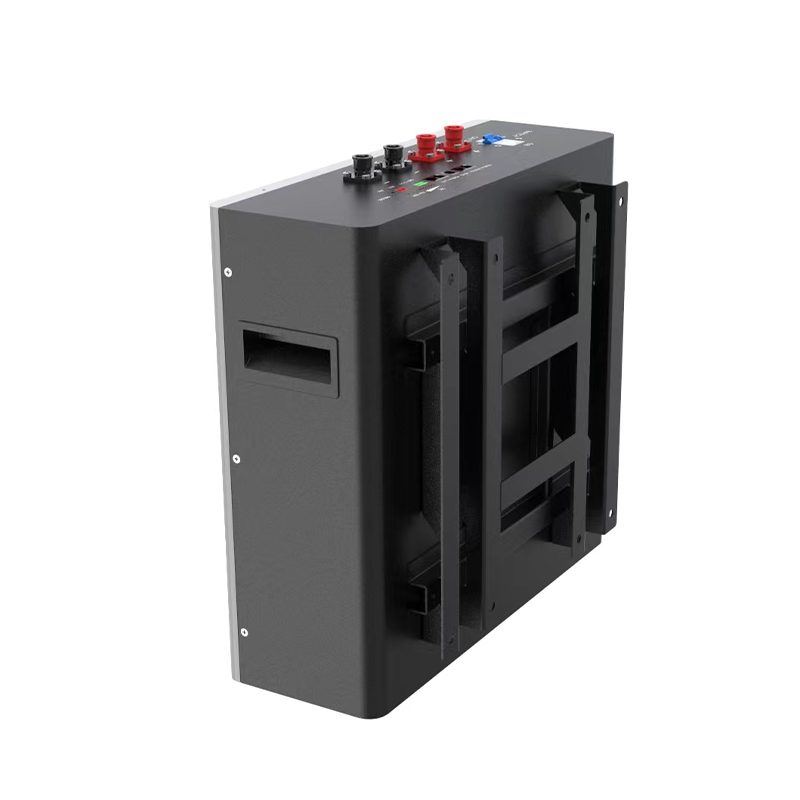
When it comes to powering your RV, understanding the significance of deep cycle batteries is crucial for your adventurous lifestyle. RV deep cycle batteries are specifically designed to provide a steady amount of power over an extended period, making them ideal for camping trips, tailgating, and off-grid living. Unlike standard car batteries, which deliver short bursts of energy for starting the engine, deep cycle batteries can be discharged and recharged numerous times without significant wear and tear.
One of the primary features of RV deep cycle batteries is their capacity to maintain voltage levels throughout the discharge cycle. This means that you can run appliances, lights, and other electrical devices without worrying about sudden power drops. The design of deep cycle batteries enables them to be used repeatedly, as they can be discharged to a lower state of charge while still being recharged effectively. This is particularly beneficial for RV users who may rely on solar panels or generators for recharging.
When selecting an RV deep cycle battery, it's essential to consider the type that best suits your needs. There are generally three types: flooded lead-acid, absorbed glass mat (AGM), and gel batteries. Flooded lead-acid batteries are the most common and cost-effective option but require regular maintenance and proper ventilation. AGM batteries are maintenance-free and have a lower risk of leakage, making them a popular choice for users looking for convenience. Gel batteries offer similar maintenance-free benefits but generally have a longer lifespan and better performance in extreme temperatures, though they tend to be more expensive.
Proper maintenance of your RV deep cycle battery is key to maximizing its lifespan and performance. Always ensure that the battery terminals are clean and free from corrosion, as this can impact connectivity. Regularly check the water levels in flooded batteries and top them off with distilled water as needed. For AGM and gel batteries, ensure that they are charged appropriately, as overcharging can lead to reduced capacity and lifespan.
In conclusion, RV deep cycle batteries are an essential component for any RV owner looking to enhance their travel experience. Their ability to provide sustained power makes them perfect for a wide range of applications, from powering lights to running appliances. By understanding their features, types, and maintenance requirements, you can ensure that your RV adventures are powered seamlessly, allowing you to focus on enjoying your time in the great outdoors.
One of the primary features of RV deep cycle batteries is their capacity to maintain voltage levels throughout the discharge cycle. This means that you can run appliances, lights, and other electrical devices without worrying about sudden power drops. The design of deep cycle batteries enables them to be used repeatedly, as they can be discharged to a lower state of charge while still being recharged effectively. This is particularly beneficial for RV users who may rely on solar panels or generators for recharging.
When selecting an RV deep cycle battery, it's essential to consider the type that best suits your needs. There are generally three types: flooded lead-acid, absorbed glass mat (AGM), and gel batteries. Flooded lead-acid batteries are the most common and cost-effective option but require regular maintenance and proper ventilation. AGM batteries are maintenance-free and have a lower risk of leakage, making them a popular choice for users looking for convenience. Gel batteries offer similar maintenance-free benefits but generally have a longer lifespan and better performance in extreme temperatures, though they tend to be more expensive.
Proper maintenance of your RV deep cycle battery is key to maximizing its lifespan and performance. Always ensure that the battery terminals are clean and free from corrosion, as this can impact connectivity. Regularly check the water levels in flooded batteries and top them off with distilled water as needed. For AGM and gel batteries, ensure that they are charged appropriately, as overcharging can lead to reduced capacity and lifespan.
In conclusion, RV deep cycle batteries are an essential component for any RV owner looking to enhance their travel experience. Their ability to provide sustained power makes them perfect for a wide range of applications, from powering lights to running appliances. By understanding their features, types, and maintenance requirements, you can ensure that your RV adventures are powered seamlessly, allowing you to focus on enjoying your time in the great outdoors.
Key words:


Online consultation

Free consultation
All rights reserved©UNIQUE
Business License
Power by:www.300.cn | SEO | Privacy Policy