Welcome to UNIQUE!
Unleash the Power: RV Lithium Batteries for Extended Camping Trips
2026-01-08
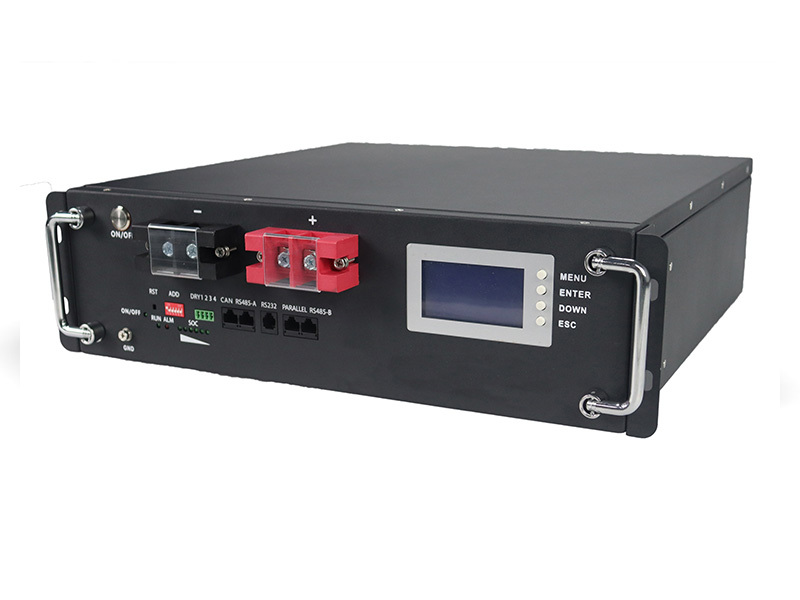
Unleash the Power: RV Lithium Batteries for Extended Camping Trips
As outdoor enthusiasts, we know the thrill of spending time in nature, far away from the hustle and bustle of daily life. However, to enjoy an extended camping trip, having a reliable power source is essential. Enter RV lithium batteries – the game changer for modern campers. Below, we will explore every facet of RV lithium batteries, discussing their advantages, features, installation, and maintenance, ensuring you are well-equipped for your next adventure.
The Rise of RV Lithium Batteries: Why They Matter
In recent years, lithium batteries have gained immense popularity among RV owners. Unlike traditional lead-acid batteries, lithium batteries are lightweight, have a longer lifespan, and provide more efficient energy storage. These advantages make them the preferred choice for RV enthusiasts seeking independence and flexibility on extended trips.
Understanding Lithium Technology
At the heart of the popularity of lithium batteries lies advanced technology. Lithium-ion batteries utilize lithium salts in their electrolyte and have a higher energy density compared to lead-acid batteries. This means they can store more energy in a smaller and lighter package, allowing RV owners to maximize their available space without compromising power.
Key Benefits of RV Lithium Batteries
1. **Lifespan**: Lithium batteries can last up to 10 times longer than traditional batteries, offering significant cost savings over time.
2. **Weight**: With a weight reduction of up to 70%, lithium batteries are easier to install and transport.
3. **Efficiency**: Lithium batteries charge faster and have a higher depth of discharge, allowing you to use more of their capacity.
4. **Temperature Resilience**: They perform better in extreme temperatures, making them ideal for varied camping conditions.
5. **Low Maintenance**: No watering or equalization is needed, reducing the hassle of upkeep.
Choosing the Right RV Lithium Battery
When searching for the perfect lithium battery for your RV, several factors come into play. Understanding your power requirements and the various types of lithium batteries will help you make an informed decision.
Assessing Your Power Needs
The first step in choosing a lithium battery is to determine your energy needs. Consider the following elements:
- **Appliances**: List all the electrical devices you plan to use while camping (e.g., lights, refrigerator, heater).
- **Usage Time**: Estimate how many hours each device will be in use during your trip.
- **Power Consumption**: Calculate the total watt-hours needed for your appliances. This will guide you in selecting a battery with adequate capacity.
Types of RV Lithium Batteries
There are different types of lithium batteries available, and understanding them can help you choose the best one for your RV:
- **Lithium Iron Phosphate (LiFePO4)**: Known for safety and stability, LiFePO4 batteries are popular for RV use due to their long lifespan and thermal stability.
- **Lithium Nickel Manganese Cobalt (NMC)**: Often used in high-performance applications, NMC batteries offer a good balance of energy density and thermal stability but may not be as common in RV setups.
Installation of RV Lithium Batteries
Installing lithium batteries in your RV may seem daunting, but it's a straightforward process if you follow the right steps. Here’s how to do it safely and effectively:
Gathering the Necessary Tools
Before beginning the installation process, ensure that you have the following tools and materials:
- **Battery terminals**
- **Wrenches**
- **Wire connectors**
- **Fuses**
- **Multimeter**
Steps for Installation
1. **Safety First**: Ensure your RV is off and disconnected from any external power sources.
2. **Remove Old Batteries**: Take out any existing batteries carefully, noting how they are connected.
3. **Install Battery Management System (BMS)**: If your lithium battery comes with a BMS, install it according to the manufacturer's instructions.
4. **Connect the Lithium Battery**: Connect the positive and negative terminals of the new lithium battery to the RV's power system, following the same configuration as the old battery.
5. **Test the Connection**: Use a multimeter to ensure the connections are secure and the voltage is correct before sealing everything up.
Maintaining Your RV Lithium Battery
To ensure your lithium battery continues to perform at its best, proper maintenance is crucial. Here are some maintenance tips:
Regular Monitoring
Keep an eye on the battery's state of charge (SOC) using a battery monitor. This will help you manage your power usage and avoid over-discharging.
Temperature Checks
Store your batteries in a temperature-controlled environment when not in use. Extreme heat or cold can degrade battery performance.
Cleaning Connections
Regularly check the battery terminals for corrosion and clean them to ensure a secure connection.
Common Myths About RV Lithium Batteries
Despite their growing popularity, there are still myths surrounding lithium batteries. Let’s debunk some of these misconceptions:
Myth 1: Lithium Batteries Are Too Expensive
While the upfront cost may be higher than lead-acid batteries, the overall lifespan and efficiency of lithium batteries translate to significant savings in the long run.
Myth 2: Lithium Batteries Are Dangerous
When properly maintained and installed, lithium batteries are safe. They often have built-in safety features to prevent overheating and overcharging.
Myth 3: Lithium Batteries Require Special Chargers
Most lithium batteries can be charged with standard RV chargers, provided they are compatible with lithium technology.
Frequently Asked Questions (FAQs)
1. How long do RV lithium batteries last?
RV lithium batteries typically last between 10 to 15 years, depending on usage and maintenance.
2. Can I use my RV lithium battery for home applications?
Yes, RV lithium batteries can be used in home applications, but ensure they are compatible with your specific home power needs.
3. What is the best size lithium battery for my RV?
The best size depends on your power requirements. Calculate your total watt-hours needed and select a battery that meets or exceeds this amount.
4. Are lithium batteries safe in cold weather?
Yes, lithium batteries perform well in cold conditions, but it's best to keep them insulated to maintain efficiency.
5. Can I install a lithium battery myself?
Yes, if you follow the manufacturer’s guidelines and take necessary safety precautions, you can install a lithium battery yourself.
Conclusion: Embrace the Freedom of Lithium Power
In conclusion, RV lithium batteries are the key to unlocking an unparalleled camping experience. With their numerous benefits, from longevity to low maintenance, they provide the power and versatility needed for extended trips in nature. By understanding your power needs, choosing the right battery, and following proper installation and maintenance procedures, you can ensure that your RV is equipped for any adventure. Embrace the freedom of off-grid living and enjoy the great outdoors with confidence, knowing you have a reliable power source at your fingertips.
Key words:


Online consultation

Free consultation
All rights reserved©UNIQUE
Power by:www.300.cn | SEO | Privacy Policy