Welcome to UNIQUE!
The Ultimate Guide to RV Lithium Batteries for Outdoor Enthusiasts
The Ultimate Guide to RV Lithium Batteries for Outdoor Enthusiasts
Table of Contents
1. Introduction to RV Lithium Batteries
2. Benefits of Lithium Batteries for RVs
3. How RV Lithium Batteries Work
4. Choosing the Right Lithium Battery for Your RV
5. Installation Tips for Lithium Batteries
6. Maintenance of Lithium Batteries
7. Safety Precautions When Using Lithium Ba
2025-11-25
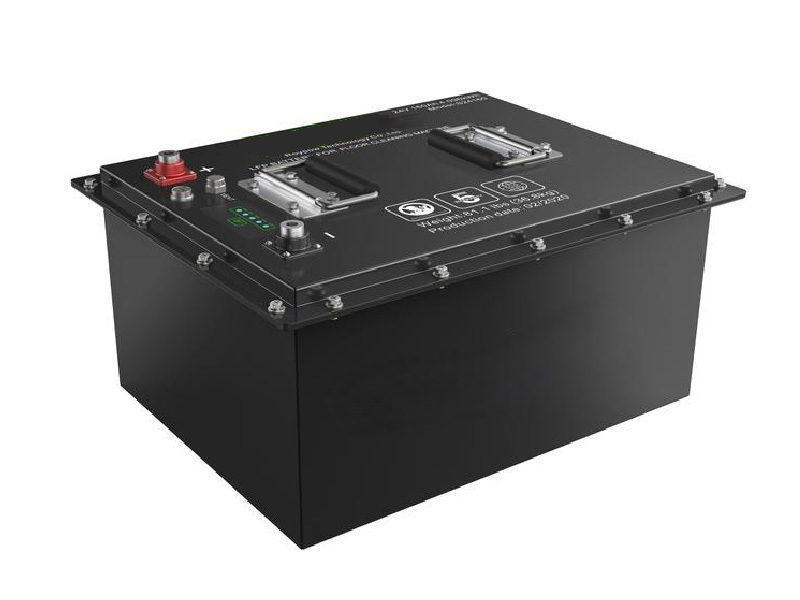
The Ultimate Guide to RV Lithium Batteries for Outdoor Enthusiasts
Table of Contents
- 1. Introduction to RV Lithium Batteries
- 2. Benefits of Lithium Batteries for RVs
- 3. How RV Lithium Batteries Work
- 4. Choosing the Right Lithium Battery for Your RV
- 5. Installation Tips for Lithium Batteries
- 6. Maintenance of Lithium Batteries
- 7. Safety Precautions When Using Lithium Batteries
- 8. The Future of Lithium Battery Technology in RVs
- 9. Frequently Asked Questions
- 10. Conclusion
1. Introduction to RV Lithium Batteries
In recent years, **lithium batteries** have revolutionized the recreational vehicle (RV) sector. Known for their efficiency and reliability, these batteries are becoming the preferred choice for outdoor enthusiasts. Unlike traditional lead-acid batteries, lithium batteries offer superior performance, longer life spans, and lightweight construction, making them ideal for RV applications.
Understanding the essentials of RV lithium batteries helps enthusiasts make informed decisions, enhancing their outdoor experience. This guide delves into the fascinating world of lithium battery technology, exploring its benefits, functionality, installation, and maintenance, ensuring you’re fully equipped for your next adventure.
2. Benefits of Lithium Batteries for RVs
Lithium batteries are quickly gaining popularity among RV owners and outdoor enthusiasts. Here are some key benefits that highlight their superiority over traditional battery types:
2.1 Longer Lifespan
One of the most significant advantages of lithium batteries is their impressive lifespan. While lead-acid batteries typically last around **3 to 5 years**, lithium batteries can last up to **10 years** or more with proper care. This longevity translates to fewer replacements and lower long-term costs.
2.2 Faster Charging Times
Lithium batteries can be charged much faster than their lead-acid counterparts. They can typically reach a full charge in **2 to 4 hours**, compared to **8 to 12 hours** for traditional batteries. This efficiency allows RV owners to maximize their time spent enjoying the great outdoors.
2.3 Lightweight Design
Lithium batteries are significantly lighter than lead-acid batteries, making them easier to handle and install. This weight difference is crucial for RVs, where every pound matters. The reduced weight contributes to better fuel efficiency and performance while driving.
2.4 Greater Depth of Discharge
Lithium batteries allow for a greater depth of discharge (DoD)—up to **80%** or more—meaning you can use a larger portion of the battery's capacity without damaging it. In contrast, lead-acid batteries should only be discharged to **50%** to avoid reducing their lifespan.
2.5 Improved Efficiency
Lithium batteries have a higher charge and discharge efficiency, typically around **95%**, compared to **70-80%** for lead-acid batteries. This increased efficiency means more usable power for your RV's electrical systems, ensuring you have the energy needed for your adventures.
3. How RV Lithium Batteries Work
Understanding the inner workings of lithium batteries is essential for any RV owner. These batteries use **lithium-ion technology**, which involves the movement of lithium ions between the positive and negative electrodes during charging and discharging.
3.1 Battery Composition
A lithium-ion battery comprises several key components:
- **Anode**: Usually made of graphite, this is where lithium ions are stored during charging.
- **Cathode**: Often made from materials such as lithium cobalt oxide or lithium iron phosphate, this is where lithium ions move to during discharge.
- **Electrolyte**: This liquid or gel substance facilitates the movement of lithium ions between the anode and cathode.
- **Separator**: A porous membrane that prevents direct contact between the anode and cathode while allowing lithium ions to pass through.
3.2 Charging and Discharging Process
During charging, electrical energy is converted into chemical energy, causing lithium ions to migrate from the cathode to the anode. When discharging, this process reverses, releasing energy as the ions move back to the cathode.
Lithium batteries also feature sophisticated **battery management systems (BMS)** that monitor and control various parameters, ensuring optimal performance and safety. The BMS protects the battery from overcharging, overheating, and deep discharge, further enhancing its longevity.
4. Choosing the Right Lithium Battery for Your RV
Selecting the right lithium battery for your RV is crucial for ensuring compatibility and performance. Here are some factors to consider:
4.1 Capacity
Battery capacity is measured in **amp-hours (Ah)**, which indicates how much energy the battery can store. Consider your energy consumption needs, including appliances, lights, and accessories, to determine the appropriate capacity for your RV.
4.2 Voltage
Most RVs operate on a **12V** system, but ensure the lithium battery you choose matches your RV's voltage requirements. Some systems may require **24V** or **48V** batteries, especially for larger setups.
4.3 Brand and Quality
Investing in a reputable brand is essential for ensuring reliability and performance. Look for batteries with good reviews and warranties, indicating quality and customer satisfaction.
4.4 Battery Management System (BMS)
A robust BMS is crucial for the longevity and safety of your lithium battery. Make sure the battery comes equipped with a BMS that offers overcharge protection, temperature regulation, and cell balancing features.
4.5 Budget
While lithium batteries tend to have a higher upfront cost than lead-acid batteries, their longevity and efficiency can result in long-term savings. Assess your budget and consider the total cost of ownership over the battery's lifespan.
5. Installation Tips for Lithium Batteries
Once you've selected the perfect lithium battery for your RV, the next step is installation. Here are some essential tips to ensure a successful setup:
5.1 Gather Necessary Tools and Materials
Before beginning the installation, gather all necessary tools and materials, including:
- Wrenches and screwdrivers
- Battery cables
- Fuse or circuit breaker
- Mounting brackets or battery box
5.2 Discharge Existing Batteries
If you're replacing existing batteries, ensure they are fully discharged before removal. This step is crucial for safety and helps avoid any electrical shocks.
5.4 Connect the Battery Properly
Follow the manufacturer's instructions for connecting the lithium battery. Typically, the positive terminal is connected first, followed by the negative terminal. Ensure all connections are tight and secure to prevent issues.
5.5 Use Appropriate Fuses or Circuit Breakers
Incorporate a fuse or circuit breaker in your system to protect against overcurrent situations. This safety measure is vital for preventing battery damage and protecting your RV's electrical systems.
5.6 Test the System
After installation, test the system to ensure everything is functioning correctly. Check voltage levels and ensure that all appliances and systems operate smoothly.
6. Maintenance of Lithium Batteries
Proper maintenance is essential for ensuring the longevity and performance of your lithium battery. Here are some maintenance tips to follow:
6.1 Regular Checkups
Perform regular checkups on your battery system. Inspect connections, cables, and terminals for corrosion or damage. Keeping everything clean and secure prolongs the battery's life.
6.2 Monitor Charge Levels
Use a battery monitoring system to keep track of charge levels and overall battery health. Maintaining optimal charge levels is crucial for preventing damage.
6.3 Temperature Control
Store and operate your lithium battery within the recommended temperature range. Extreme temperatures can affect performance and longevity. If possible, avoid exposing the battery to temperatures below **32°F** or above **140°F**.
6.4 Cleaning
Keep the battery and surrounding area clean from dust and debris. Use a damp cloth to wipe down the battery but avoid getting moisture in the terminals.
6.5 Follow Manufacturer Guidelines
Always refer to the manufacturer's guidelines for specific maintenance and care instructions. Each battery may have unique requirements that are essential for optimal performance.
7. Safety Precautions When Using Lithium Batteries
While lithium batteries offer many benefits, it's essential to prioritize safety. Here are crucial safety precautions to observe:
7.1 Proper Ventilation
Ensure proper ventilation when charging and discharging lithium batteries. Adequate airflow reduces the risk of overheating and potential hazards.
7.2 Avoid Overcharging
Overcharging can lead to battery damage or failure. Always use a compatible charger and monitor the charging process to prevent overvoltage situations.
7.3 Use Quality Equipment
Invest in quality charging equipment and accessories. Substandard products can harm the battery and pose safety risks.
7.4 Store Correctly
If storing the battery for an extended period, ensure it's at a moderate charge level (around **50%**) and in a cool, dry place. This precaution helps maintain battery health during storage.
7.5 Be Prepared for Emergencies
Always have an emergency plan in place. Familiarize yourself with the signs of a malfunctioning battery and know how to disconnect it safely if needed.
8. The Future of Lithium Battery Technology in RVs
The future of lithium battery technology is bright, with continuous advancements promising even better performance, safety, and sustainability. Here are some trends to watch:
8.1 Enhanced Energy Density
Ongoing research aims to improve energy density, allowing batteries to store more energy in the same physical space. Higher energy density translates to lighter batteries with longer runtimes.
8.2 Sustainable Production Methods
As environmental concerns grow, manufacturers are exploring sustainable methods for producing lithium batteries. This includes recycling programs and utilizing eco-friendly materials.
8.3 Smart Battery Management Systems
The integration of **smart technology** in battery management systems will enhance monitoring, diagnostics, and performance optimization, making it easier for users to manage their power needs effectively.
8.4 Integration with Renewable Energy Sources
As more RV owners turn to renewable energy solutions, the synergy between lithium batteries and solar power systems will grow. This combination will allow for off-grid adventures with minimal environmental impact.
8.5 Improved Safety Features
Future lithium batteries will likely feature advanced safety technologies to minimize risks, such as fire and explosion hazards, ensuring peace of mind for users.
9. Frequently Asked Questions
9.1 What is the lifespan of a lithium battery in an RV?
A well-maintained lithium battery can last **10 years** or more, significantly longer than traditional lead-acid batteries.
9.2 Are lithium batteries safe for RV use?
Yes, when installed and maintained correctly, lithium batteries are safe for RV use. They come with built-in management systems for added safety.
9.3 Can I use a lithium battery with my existing RV system?
Yes, as long as the voltage and capacity match your RV's system requirements. Consult a professional if unsure.
9.4 How do I know when my lithium battery needs replacement?
Monitor the battery's performance regularly. If you notice a significant drop in capacity or frequent failures to hold a charge, it may be time for a replacement.
9.5 What are the best practices for charging lithium batteries?
Use a compatible charger, avoid overcharging, and charge at moderate temperatures for optimal battery health.
10. Conclusion
RV lithium batteries represent a game-changing evolution for outdoor enthusiasts looking for reliable, efficient energy solutions. With their extended lifespan, lightweight design, and superior performance, these batteries are well-suited for the demands of modern RV living. By understanding the benefits, installation techniques, maintenance requirements, and safety precautions, RV owners can make the most of their adventures.
As technology continues to advance, the future of lithium batteries promises even more innovative solutions, allowing enthusiasts to explore the great outdoors with confidence and sustainability. Invest wisely in your battery system, and enjoy the freedom that comes with knowing you have a reliable power source at your fingertips.
Key words:


Online consultation

Free consultation
All rights reserved©UNIQUE
Business License
Power by:www.300.cn | SEO | Privacy Policy