Welcome to UNIQUE!
Understanding RV Deep Cycle Batteries: Essential Insights for Your Next Adventure
When it comes to powering your recreational vehicle (RV), deep cycle batteries are a crucial component. Unlike standard car batteries, which are designed to deliver a quick burst of energy for starting engines, RV deep cycle batteries are engineered to provide sustained power over extended periods. This makes them ideal for operating appliances, lights, and other electrical systems within your RV,
2025-10-14
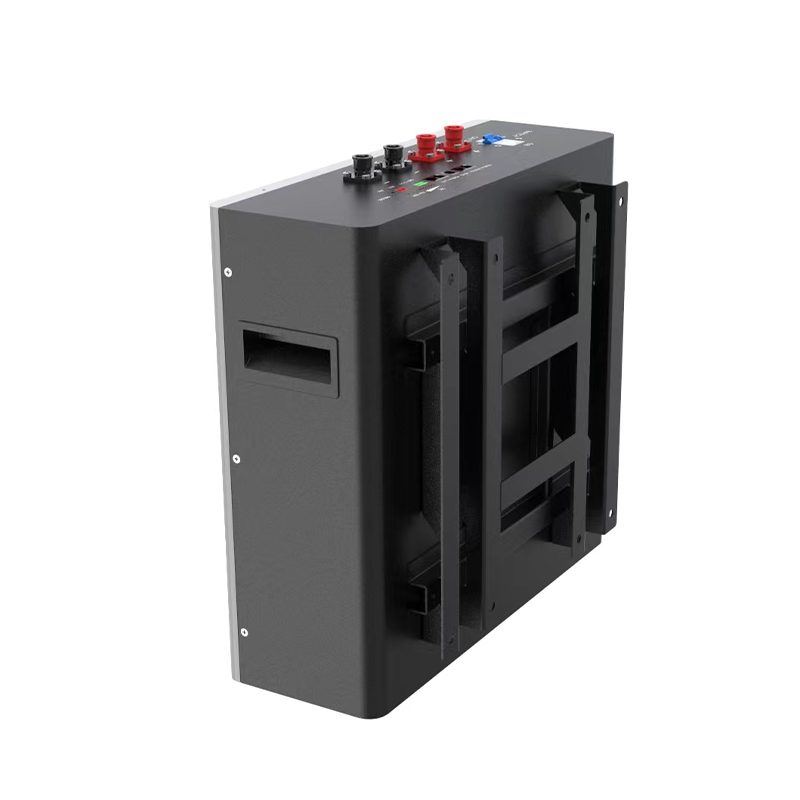
When it comes to powering your recreational vehicle (RV), deep cycle batteries are a crucial component. Unlike standard car batteries, which are designed to deliver a quick burst of energy for starting engines, RV deep cycle batteries are engineered to provide sustained power over extended periods. This makes them ideal for operating appliances, lights, and other electrical systems within your RV, especially during off-grid camping or when plugged into limited power sources.
One of the primary characteristics of RV deep cycle batteries is their ability to be discharged and recharged multiple times without significant damage. This durability is essential for RV users, as it allows for long-term use without the need for frequent replacements. Deep cycle batteries are available in various chemistries, including lead-acid, AGM (Absorbent Glass Mat), and lithium. Each type has its pros and cons, making it important to consider your specific needs when selecting a battery.
Lead-acid batteries are often the most affordable option and are widely used in RVs. They come in two varieties: flooded and sealed. Flooded batteries require regular maintenance, including checking water levels, while sealed batteries are maintenance-free but can be more expensive. On the other hand, AGM batteries offer greater efficiency and longer lifespan, making them a popular choice for RV enthusiasts who prioritize performance. Lithium batteries, while initially pricier, provide significant weight savings and longer cycle life, making them an attractive option for those seeking modern solutions.
When choosing an RV deep cycle battery, it's essential to consider capacity, measured in amp-hours (Ah). A higher Ah rating means the battery can provide power for a longer duration. Additionally, the discharge rate is crucial. Most RV deep cycle batteries can be safely discharged to around 50% of their total capacity. However, going beyond this can shorten their lifespan, so understanding your power requirements and managing battery usage is critical.
Charging your RV deep cycle battery correctly is equally important. A smart charger or solar power system can help ensure that your battery is charged efficiently and safely. Regularly monitoring the battery's state of charge can prevent overcharging and deep discharging, which can damage the battery over time.
In conclusion, RV deep cycle batteries are indispensable for anyone looking to enjoy the freedom of the open road with their recreational vehicle. Understanding the various types, capacities, and charging practices can significantly enhance your RV experience, ensuring you have the power you need for all your adventures.
One of the primary characteristics of RV deep cycle batteries is their ability to be discharged and recharged multiple times without significant damage. This durability is essential for RV users, as it allows for long-term use without the need for frequent replacements. Deep cycle batteries are available in various chemistries, including lead-acid, AGM (Absorbent Glass Mat), and lithium. Each type has its pros and cons, making it important to consider your specific needs when selecting a battery.
Lead-acid batteries are often the most affordable option and are widely used in RVs. They come in two varieties: flooded and sealed. Flooded batteries require regular maintenance, including checking water levels, while sealed batteries are maintenance-free but can be more expensive. On the other hand, AGM batteries offer greater efficiency and longer lifespan, making them a popular choice for RV enthusiasts who prioritize performance. Lithium batteries, while initially pricier, provide significant weight savings and longer cycle life, making them an attractive option for those seeking modern solutions.
When choosing an RV deep cycle battery, it's essential to consider capacity, measured in amp-hours (Ah). A higher Ah rating means the battery can provide power for a longer duration. Additionally, the discharge rate is crucial. Most RV deep cycle batteries can be safely discharged to around 50% of their total capacity. However, going beyond this can shorten their lifespan, so understanding your power requirements and managing battery usage is critical.
Charging your RV deep cycle battery correctly is equally important. A smart charger or solar power system can help ensure that your battery is charged efficiently and safely. Regularly monitoring the battery's state of charge can prevent overcharging and deep discharging, which can damage the battery over time.
In conclusion, RV deep cycle batteries are indispensable for anyone looking to enjoy the freedom of the open road with their recreational vehicle. Understanding the various types, capacities, and charging practices can significantly enhance your RV experience, ensuring you have the power you need for all your adventures.
Key words:


Online consultation

Free consultation
All rights reserved©UNIQUE
Business License
Power by:www.300.cn | SEO | Privacy Policy