Welcome to UNIQUE!
The Ultimate Guide to Choosing a 48V Lithium Battery for Your Golf Cart
2025-10-09
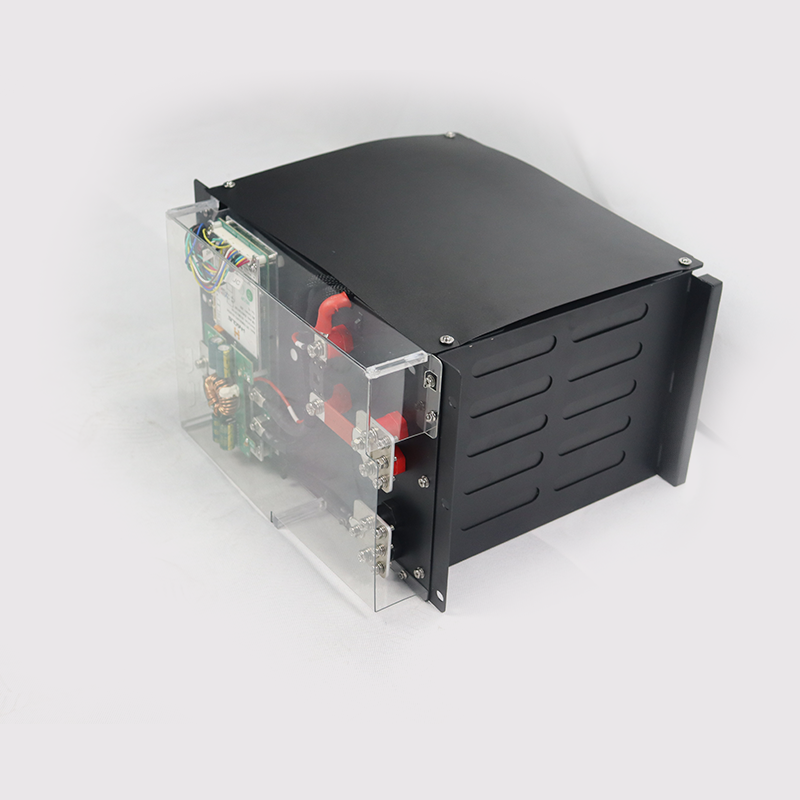
The Ultimate Guide to Choosing a 48V Lithium Battery for Your Golf Cart
Choosing the right lithium battery for your golf cart is crucial for performance, longevity, and efficiency. With so many options on the market, understanding the specifics of a 48V lithium battery can significantly enhance your golfing experience. In this comprehensive guide, we will explore everything from the characteristics of lithium batteries to installation and maintenance tips, ensuring you have all the information needed to make the best choice.
Table of Contents
- 1. Benefits of Using a 48V Lithium Battery in Golf Carts
- 2. Key Features to Look for in a 48V Lithium Battery
- 3. Types of Lithium Batteries Suitable for Golf Carts
- 4. Installation Guide for 48V Lithium Batteries
- 5. Maintenance Tips for Longevity
- 6. Common Issues and Troubleshooting
- 7. Comparing Lithium Batteries to Lead-Acid Batteries
- 8. Frequently Asked Questions about 48V Lithium Batteries
1. Benefits of Using a 48V Lithium Battery in Golf Carts
When it comes to powering your golf cart, opting for a 48V lithium battery offers numerous advantages. Here are some key benefits:
1.1 Lightweight and Compact
Compared to traditional lead-acid batteries, lithium batteries are significantly lighter and more compact. This means your golf cart will have a reduced overall weight, leading to better efficiency and handling.
1.2 Longer Lifespan
A quality 48V lithium battery can last up to 10 years or more with proper maintenance, compared to the typical 3-5 years for lead-acid batteries. This longevity translates into lower replacement costs and less hassle over time.
1.3 Faster Charging Times
Charging a 48V lithium battery is much quicker than charging lead-acid alternatives. Most lithium batteries can be charged to full capacity in just a few hours, allowing you to get back on the course sooner.
1.4 Improved Performance
With a lithium battery, your golf cart will experience better acceleration and overall performance. The power delivery is more consistent, ensuring you won’t face sluggishness during your rounds.
1.5 Environmentally Friendly
Lithium batteries are generally considered more eco-friendly than lead-acid batteries because they can be recycled more easily and produce fewer harmful emissions when manufactured and disposed of.
2. Key Features to Look for in a 48V Lithium Battery
When selecting a 48V lithium battery, consider the following features to ensure you are making a wise investment:
2.1 Battery Management System (BMS)
A robust BMS is essential for protecting your battery from overcharging, overheating, and deep discharging. It enhances safety and extends the battery’s lifespan.
2.2 Capacity and Amp Hour Rating
Choose a battery with a suitable capacity (measured in amp hours, Ah) depending on how much power you typically consume during your outings. A higher Ah rating means longer run times.
2.3 Warranty Period
A generous warranty can provide peace of mind. Look for manufacturers that offer at least a 5-year warranty, indicating confidence in the product's reliability.
2.4 Cool Temperature Performance
Golfing often involves different weather conditions. Ensure your battery performs well in both cold and warm temperatures to avoid performance drops.
2.5 Durability and Build Quality
Consider batteries that are resistant to vibrations, shocks, and various weather conditions. A rugged design will ensure longevity and reliability.
3. Types of Lithium Batteries Suitable for Golf Carts
Understanding the types of lithium batteries available can help you make a more informed decision:
3.1 Lithium Iron Phosphate (LiFePO4)
Known for their safety and thermal stability, LiFePO4 batteries are a popular choice for golf carts. They deliver a steady output and are less prone to overheating.
3.2 Lithium Cobalt Oxide (LiCoO2)
These batteries provide excellent energy density but tend to be more expensive. They are more commonly found in portable electronics than in golf carts.
3.3 Lithium Nickel Manganese Cobalt (NMC)
NMC batteries offer a useful balance between power output, lifespan, and cost. They are versatile and increasingly popular in various applications, including golf carts.
4. Installation Guide for 48V Lithium Batteries
Proper installation of your 48V lithium battery is critical for safe and efficient operation. Follow these steps:
4.1 Gather Necessary Tools
You will need basic tools such as a wrench, screwdrivers, and battery connectors. An insulated toolkit is recommended for safety.
4.2 Disconnect the Old Battery
Start by safely disconnecting the old battery. Ensure the golf cart is turned off, and remove any connectors before taking out the old battery.
4.3 Install the New Battery
Place the lithium battery in the designated compartment, ensuring it fits securely. Connect the positive and negative terminals, following the manufacturer's color code.
4.4 Check Connections
Double-check all connections to ensure they are tight and secure. A loose connection can lead to poor performance or safety hazards.
4.5 Test the Battery
Turn on your golf cart to test the new battery. Check for any warning lights and ensure the battery performs as expected.
5. Maintenance Tips for Longevity
Maintenance is key to maximizing the lifespan of your 48V lithium battery. Consider these tips:
5.1 Regular Charging
Keep your battery charged regularly, and avoid letting it discharge completely. Frequent shallow discharges are better than deep cycling the battery.
5.2 Clean Terminals
Keep battery terminals clean and free of corrosion. Use a mixture of baking soda and water to clean them if necessary, and ensure connections are tight.
5.3 Store Properly
If you plan to store the battery for an extended period, ensure it is charged to about 50% and stored in a cool, dry place away from direct sunlight.
5.4 Monitor Temperature
Check the battery’s temperature, especially during charging. Ensure it operates within the recommended temperature range to avoid damage.
5.5 Use a Quality Charger
Invest in a charger specifically designed for lithium batteries. This ensures optimal charging and prolongs the battery life.
6. Common Issues and Troubleshooting
Despite their reliability, lithium batteries can encounter issues. Here are some common problems and solutions:
6.1 Battery Not Charging
If your battery isn’t charging, check the charger and connections. Ensure the charger is compatible and not damaged.
6.2 Short Run Time
A decrease in run time could indicate a battery nearing the end of its lifespan or a problem with the BMS. Consider testing the battery’s capacity if issues persist.
6.3 Overheating
If the battery becomes excessively hot, discontinue use immediately. Check for proper ventilation and ensure it isn’t exposed to high temperatures during charging or operation.
6.4 Swelling or Bulging
This can be a sign of a serious issue. If you notice swelling, discontinue use and consult a professional for assessment and potential replacement.
7. Comparing Lithium Batteries to Lead-Acid Batteries
When making a choice between lithium and lead-acid batteries for your golf cart, consider the following comparisons:
7.1 Weight
Lithium batteries are much lighter, making them a more attractive option for enhancing the overall efficiency of your golf cart.
7.2 Lifespan
Lithium batteries last significantly longer than lead-acid batteries, providing better value over time.
7.3 Cost
While the upfront cost of lithium batteries is higher, their lifespan and lower maintenance costs often make them the more economical choice in the long term.
7.4 Performance
Lithium batteries deliver consistent power and performance throughout their charge cycle, whereas lead-acid batteries often show reduced performance as they deplete.
8. Frequently Asked Questions about 48V Lithium Batteries
8.1 What is the average lifespan of a 48V lithium battery?
A well-maintained 48V lithium battery can last between 8 to 10 years.
8.2 Can I upgrade my existing golf cart battery to a lithium battery?
Yes, upgrading to a lithium battery is possible, but ensure compatibility with your cart’s electrical system.
8.3 Are lithium batteries safe for golf carts?
Yes, when used correctly and with a suitable BMS, lithium batteries are safe and efficient for golf carts.
8.4 How do I know when to replace my lithium battery?
Signs include a significant drop in run time, swelling, or failure to hold a charge. Regular capacity testing helps monitor battery health.
8.5 What charger should I use for my 48V lithium battery?
Always use a charger specifically designed for lithium batteries to ensure safe and efficient charging.
Conclusion
Selecting the right 48V lithium battery for your golf cart is essential for enhancing your performance on the course. By considering the benefits, key features, types, installation processes, and maintenance tips outlined in this guide, you can make an informed decision that will keep your golf cart running efficiently for years to come. Remember to prioritize safety, invest in quality products, and enjoy the many advantages that come with a high-quality lithium battery.
Key words:
Previous:


Online consultation

Free consultation
All rights reserved©UNIQUE
Power by:www.300.cn | SEO | Privacy Policy