Welcome to UNIQUE!
Understanding RV Deep Cycle Batteries: Essential Knowledge for Every Enthusiast
When it comes to powering your recreational vehicle (RV), the importance of a reliable energy source cannot be overstated. RV deep cycle batteries are a popular choice among enthusiasts for their unique characteristics tailored for extended use. Unlike standard car batteries that provide a quick burst of energy to start an engine, deep cycle batteries are designed to discharge a significant amount
2025-10-06
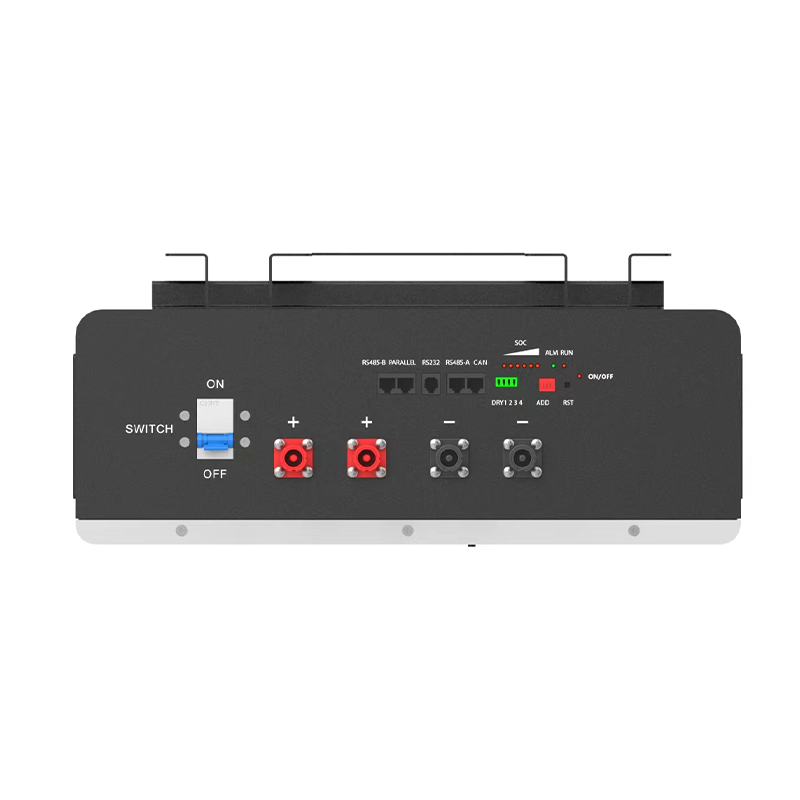
When it comes to powering your recreational vehicle (RV), the importance of a reliable energy source cannot be overstated. RV deep cycle batteries are a popular choice among enthusiasts for their unique characteristics tailored for extended use. Unlike standard car batteries that provide a quick burst of energy to start an engine, deep cycle batteries are designed to discharge a significant amount of energy over a prolonged period, making them ideal for powering appliances and accessories while camping or on the road.
One of the primary features of an RV deep cycle battery is its ability to withstand repeated charging and discharging cycles without suffering significant damage. This resilience is crucial for RV users who rely on their batteries for essential functions such as lighting, water pumps, and even entertainment systems. The robust construction of deep cycle batteries allows them to maintain their performance even after numerous cycles, providing a dependable energy source for your adventures.
There are generally two types of RV deep cycle batteries: flooded lead-acid and sealed (AGM or gel). Flooded lead-acid batteries are more traditional and often more affordable, but they require regular maintenance, including checking water levels and ensuring proper ventilation. On the other hand, sealed batteries like AGM (Absorbent Glass Mat) and gel types are maintenance-free and offer better performance in terms of discharge rates and longevity. However, they tend to come with a higher upfront cost.
When choosing an RV deep cycle battery, it’s essential to consider factors such as capacity, voltage, and the specific power needs of your RV. The capacity is typically measured in amp-hours (Ah), indicating how much energy a battery can provide over a certain period. It's advisable to calculate your energy consumption based on the appliances you plan to use and select a battery that meets or exceeds your needs. Additionally, understanding the voltage requirements of your RV system will help ensure compatibility with your selected battery.
Lastly, proper maintenance and care can significantly extend the lifespan of your RV deep cycle battery. Regularly checking the battery's charge level, keeping it clean, and ensuring it is stored correctly can help prevent premature failure. Additionally, investing in a quality charger designed for deep cycle batteries can optimize charging efficiency and performance.
In conclusion, RV deep cycle batteries are a vital component for any traveling enthusiast looking to enjoy the comforts of home on the road. With a solid understanding of their features, types, and maintenance requirements, you can make informed decisions that enhance your RV experience. Always prioritize quality and compatibility to ensure your battery serves you well on every journey.
One of the primary features of an RV deep cycle battery is its ability to withstand repeated charging and discharging cycles without suffering significant damage. This resilience is crucial for RV users who rely on their batteries for essential functions such as lighting, water pumps, and even entertainment systems. The robust construction of deep cycle batteries allows them to maintain their performance even after numerous cycles, providing a dependable energy source for your adventures.
There are generally two types of RV deep cycle batteries: flooded lead-acid and sealed (AGM or gel). Flooded lead-acid batteries are more traditional and often more affordable, but they require regular maintenance, including checking water levels and ensuring proper ventilation. On the other hand, sealed batteries like AGM (Absorbent Glass Mat) and gel types are maintenance-free and offer better performance in terms of discharge rates and longevity. However, they tend to come with a higher upfront cost.
When choosing an RV deep cycle battery, it’s essential to consider factors such as capacity, voltage, and the specific power needs of your RV. The capacity is typically measured in amp-hours (Ah), indicating how much energy a battery can provide over a certain period. It's advisable to calculate your energy consumption based on the appliances you plan to use and select a battery that meets or exceeds your needs. Additionally, understanding the voltage requirements of your RV system will help ensure compatibility with your selected battery.
Lastly, proper maintenance and care can significantly extend the lifespan of your RV deep cycle battery. Regularly checking the battery's charge level, keeping it clean, and ensuring it is stored correctly can help prevent premature failure. Additionally, investing in a quality charger designed for deep cycle batteries can optimize charging efficiency and performance.
In conclusion, RV deep cycle batteries are a vital component for any traveling enthusiast looking to enjoy the comforts of home on the road. With a solid understanding of their features, types, and maintenance requirements, you can make informed decisions that enhance your RV experience. Always prioritize quality and compatibility to ensure your battery serves you well on every journey.
Key words:


Online consultation

Free consultation
All rights reserved©UNIQUE
Business License
Power by:www.300.cn | SEO | Privacy Policy