Welcome to UNIQUE!
Unlocking Efficiency: The Role of Energy Storage Batteries in Forklift Operations
In today’s fast-paced industrial environment, the demand for efficiency and sustainability is paramount. This is where energy storage batteries for forklifts come into play. These batteries are crucial for powering electric forklifts, providing a reliable and efficient energy source that meets the rigorous demands of warehouse operations.
Energy storage batteries for forklifts typically utilize li
2025-10-04
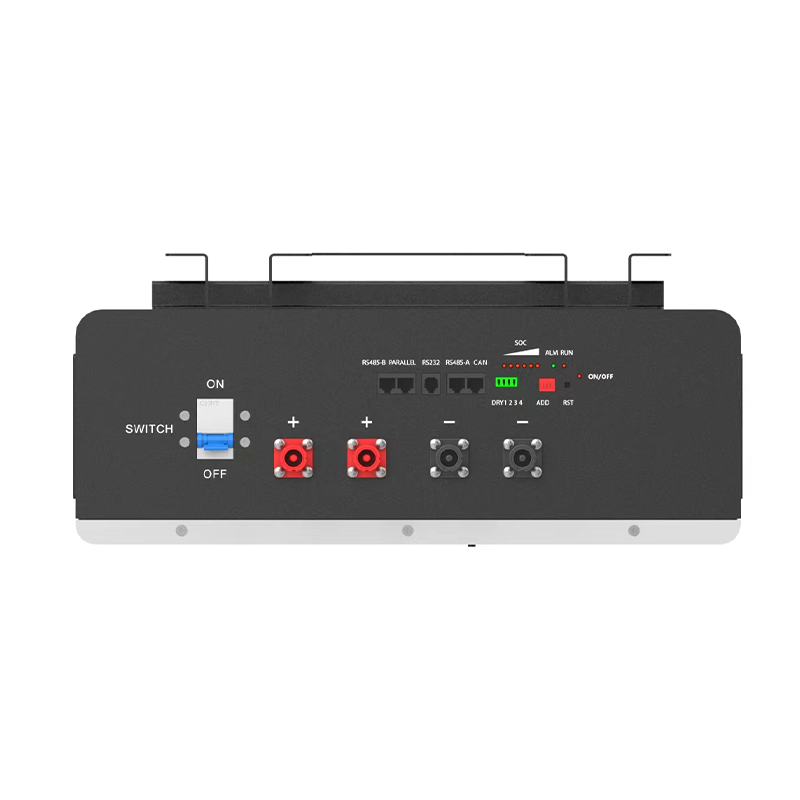
In today’s fast-paced industrial environment, the demand for efficiency and sustainability is paramount. This is where energy storage batteries for forklifts come into play. These batteries are crucial for powering electric forklifts, providing a reliable and efficient energy source that meets the rigorous demands of warehouse operations.
Energy storage batteries for forklifts typically utilize lithium-ion or lead-acid technology. Each type has its specific advantages. Lithium-ion batteries, for example, are known for their higher energy density, longer lifespan, and faster charging capabilities. They can also operate at a wider temperature range, making them ideal for various working conditions. On the other hand, lead-acid batteries are more traditional and are often more cost-effective upfront, although they may require more maintenance and have a shorter overall lifespan.
One significant advantage of using energy storage batteries in forklifts is their contribution to reducing operating costs. Electric forklifts powered by batteries tend to have lower energy costs compared to their internal combustion counterparts. Additionally, because electric forklifts produce zero emissions at the point of use, they are a more environmentally friendly option, which is increasingly important as businesses seek to enhance their sustainability practices.
Moreover, the use of energy storage batteries allows for greater operational flexibility. With advancements in battery technology, many modern batteries offer quick charging capabilities, enabling forklifts to be back in operation within a shorter time frame. This is particularly beneficial in environments where time is critical, such as in busy warehouses or during peak operational hours.
When selecting an energy storage battery for a forklift, there are several key factors to consider. First, assess the specific power requirements of your forklift model. The battery must be compatible in terms of voltage and capacity to ensure optimal performance. Additionally, consider the charging infrastructure available. Some facilities may already have equipment for lead-acid batteries, while others may need to invest in new chargers for lithium-ion batteries.
Another important aspect is the total cost of ownership. While upfront prices may differ between battery types, it’s essential to evaluate the long-term costs associated with maintenance, lifespan, and energy consumption.
In conclusion, energy storage batteries for forklifts are pivotal in enhancing productivity and sustainability in industrial operations. With various options available, businesses can select the battery type that best suits their needs, ultimately leading to improved efficiency and reduced operational costs. Embracing this technology not only supports business growth but also contributes positively to environmental stewardship in the logistics sector.
Energy storage batteries for forklifts typically utilize lithium-ion or lead-acid technology. Each type has its specific advantages. Lithium-ion batteries, for example, are known for their higher energy density, longer lifespan, and faster charging capabilities. They can also operate at a wider temperature range, making them ideal for various working conditions. On the other hand, lead-acid batteries are more traditional and are often more cost-effective upfront, although they may require more maintenance and have a shorter overall lifespan.
One significant advantage of using energy storage batteries in forklifts is their contribution to reducing operating costs. Electric forklifts powered by batteries tend to have lower energy costs compared to their internal combustion counterparts. Additionally, because electric forklifts produce zero emissions at the point of use, they are a more environmentally friendly option, which is increasingly important as businesses seek to enhance their sustainability practices.
Moreover, the use of energy storage batteries allows for greater operational flexibility. With advancements in battery technology, many modern batteries offer quick charging capabilities, enabling forklifts to be back in operation within a shorter time frame. This is particularly beneficial in environments where time is critical, such as in busy warehouses or during peak operational hours.
When selecting an energy storage battery for a forklift, there are several key factors to consider. First, assess the specific power requirements of your forklift model. The battery must be compatible in terms of voltage and capacity to ensure optimal performance. Additionally, consider the charging infrastructure available. Some facilities may already have equipment for lead-acid batteries, while others may need to invest in new chargers for lithium-ion batteries.
Another important aspect is the total cost of ownership. While upfront prices may differ between battery types, it’s essential to evaluate the long-term costs associated with maintenance, lifespan, and energy consumption.
In conclusion, energy storage batteries for forklifts are pivotal in enhancing productivity and sustainability in industrial operations. With various options available, businesses can select the battery type that best suits their needs, ultimately leading to improved efficiency and reduced operational costs. Embracing this technology not only supports business growth but also contributes positively to environmental stewardship in the logistics sector.
Key words:


Online consultation

Free consultation
All rights reserved©UNIQUE
Business License
Power by:www.300.cn | SEO | Privacy Policy