Welcome to UNIQUE!
Understanding RV Deep Cycle Batteries: Essential Power Solutions for Your Adventures
RV deep cycle batteries are a critical component for any recreational vehicle owner looking to venture into the great outdoors. Unlike standard car batteries designed for short bursts of power, deep cycle batteries are engineered to provide a steady amount of current over an extended period. This makes them particularly suitable for applications where sustained energy is necessary, such as powerin
2025-08-17
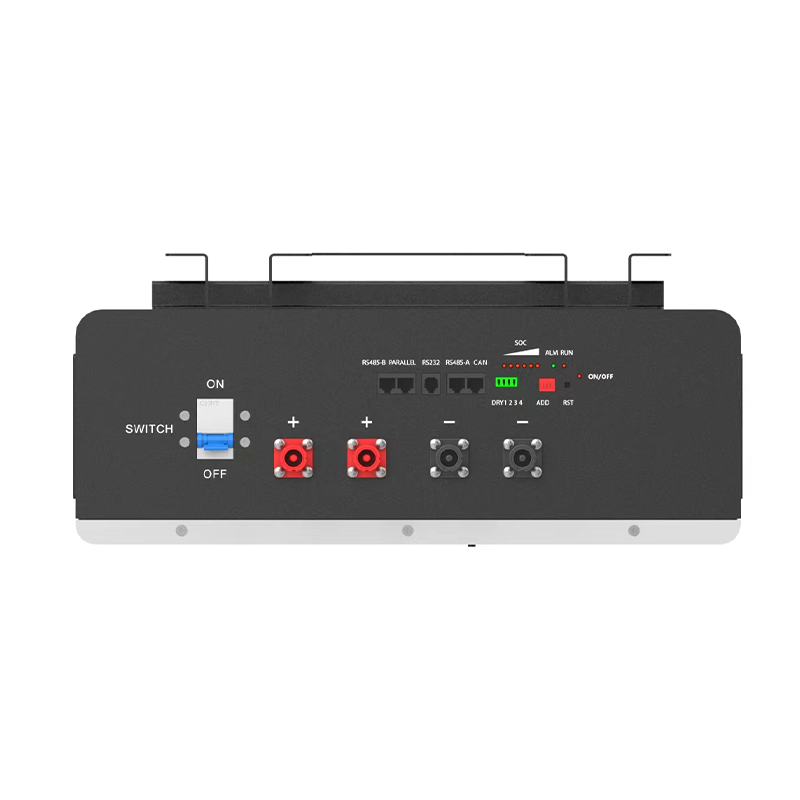
RV deep cycle batteries are a critical component for any recreational vehicle owner looking to venture into the great outdoors. Unlike standard car batteries designed for short bursts of power, deep cycle batteries are engineered to provide a steady amount of current over an extended period. This makes them particularly suitable for applications where sustained energy is necessary, such as powering lights, appliances, and other electronics in your RV.
One of the primary characteristics of RV deep cycle batteries is their ability to be deeply discharged and recharged many times without significant loss of capacity. This feature is particularly beneficial for RV enthusiasts who often rely on their batteries for prolonged periods when off the grid. Typically made from lead-acid or lithium, these batteries come in various sizes and capacities, allowing users to select the best fit for their power needs.
Lead-acid deep cycle batteries are often the more traditional choice due to their reliability and lower initial costs. However, lithium deep cycle batteries are gaining popularity for their lighter weight, longer lifespan, and faster charging capabilities. When choosing between the two, consider factors such as weight, space, and how frequently you plan to use your RV.
To maximize the lifespan and performance of your RV deep cycle battery, proper maintenance is essential. Regularly checking the battery's fluid levels, cleaning the terminals, and ensuring it is securely mounted can prevent common issues. Additionally, utilizing a smart charger can help maintain optimal charging levels, preventing overcharging or undercharging, which can damage the battery over time.
It's also vital to understand the concept of "depth of discharge" (DoD), which refers to how much of the battery’s capacity is used. For lead-acid batteries, it's advisable to limit the DoD to around 50% to prolong their lifespan, whereas lithium batteries can handle a deeper discharge, often up to 80-90%. This difference influences how you plan your power usage during your trips.
In conclusion, RV deep cycle batteries are indispensable for powering your adventures. By understanding their features and implementing proper care practices, you can ensure that your trips are powered smoothly and efficiently. Investing time in choosing the right battery and maintaining it will significantly enhance your RVing experience, allowing you to focus on creating unforgettable memories.
One of the primary characteristics of RV deep cycle batteries is their ability to be deeply discharged and recharged many times without significant loss of capacity. This feature is particularly beneficial for RV enthusiasts who often rely on their batteries for prolonged periods when off the grid. Typically made from lead-acid or lithium, these batteries come in various sizes and capacities, allowing users to select the best fit for their power needs.
Lead-acid deep cycle batteries are often the more traditional choice due to their reliability and lower initial costs. However, lithium deep cycle batteries are gaining popularity for their lighter weight, longer lifespan, and faster charging capabilities. When choosing between the two, consider factors such as weight, space, and how frequently you plan to use your RV.
To maximize the lifespan and performance of your RV deep cycle battery, proper maintenance is essential. Regularly checking the battery's fluid levels, cleaning the terminals, and ensuring it is securely mounted can prevent common issues. Additionally, utilizing a smart charger can help maintain optimal charging levels, preventing overcharging or undercharging, which can damage the battery over time.
It's also vital to understand the concept of "depth of discharge" (DoD), which refers to how much of the battery’s capacity is used. For lead-acid batteries, it's advisable to limit the DoD to around 50% to prolong their lifespan, whereas lithium batteries can handle a deeper discharge, often up to 80-90%. This difference influences how you plan your power usage during your trips.
In conclusion, RV deep cycle batteries are indispensable for powering your adventures. By understanding their features and implementing proper care practices, you can ensure that your trips are powered smoothly and efficiently. Investing time in choosing the right battery and maintaining it will significantly enhance your RVing experience, allowing you to focus on creating unforgettable memories.
Key words:
Previous:


Online consultation

Free consultation
All rights reserved©UNIQUE
Business License
Power by:www.300.cn | SEO | Privacy Policy