Welcome to UNIQUE!
The Future of Camping: Exploring RV Lithium Battery Technology
The Future of Camping: Exploring RV Lithium Battery Technology
Camping enthusiasts are continually seeking ways to enhance their outdoor experiences. The advent of lithium battery technology has marked a significant shift in how we power our recreational vehicles (RVs), leading to more sustainable, efficient, and enjoyable camping trips. This article delves into the intricacies of RV lithium batte
2025-08-14
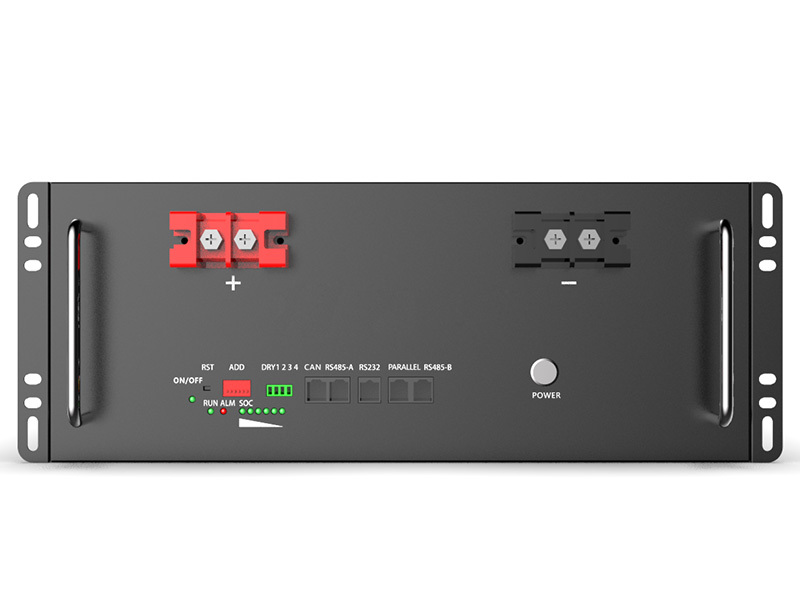
The Future of Camping: Exploring RV Lithium Battery Technology
Camping enthusiasts are continually seeking ways to enhance their outdoor experiences. The advent of lithium battery technology has marked a significant shift in how we power our recreational vehicles (RVs), leading to more sustainable, efficient, and enjoyable camping trips. This article delves into the intricacies of RV lithium battery technology, exploring its advantages, innovations, and future trends, while addressing common questions surrounding this game-changing technology.
Table of Contents
1. Introduction to RV Lithium Battery Technology
2. Advantages of Lithium Batteries for RVs
2.1 Longer Lifespan and Cycle Durability
2.2 Lightweight and Compact Design
2.3 Faster Charging Times
2.4 Enhanced Energy Efficiency
3. Comparing Lithium Batteries to Traditional Lead-Acid Batteries
3.1 Cost Analysis
3.2 Performance Metrics
4. Key Innovations in Lithium Battery Technology
4.1 Smart Battery Management Systems (BMS)
4.2 Integration with Solar Power Systems
5. Installation and Maintenance of Lithium Batteries in RVs
5.1 Installation Process Overview
5.2 Maintenance Tips for Longevity
6. The Environmental Impact of Lithium Batteries
7. Future Trends in RV Lithium Battery Technology
7.1 Enhanced Battery Capacity
7.2 Eco-Friendly Manufacturing Practices
7.3 Integration with Smart Technologies
8. FAQs About RV Lithium Battery Technology
9. Conclusion
1. Introduction to RV Lithium Battery Technology
Lithium batteries have emerged as a revolutionary power source for various applications, especially in the world of camping and RVing. Unlike traditional lead-acid batteries, lithium batteries offer numerous advantages that significantly improve the experience of camping. As outdoor enthusiasts seek longer trips with fewer limitations, the demand for energy-efficient, lightweight, and reliable power sources continues to rise.
2. Advantages of Lithium Batteries for RVs
The transition to lithium batteries is driven by several compelling advantages, making them the preferred choice for many RV owners.
2.1 Longer Lifespan and Cycle Durability
Lithium batteries typically have a lifespan of over 10 years, with up to 5000 charge cycles. This longevity is a stark contrast to lead-acid batteries, which generally last between 2 to 5 years and offer only around 300 to 500 cycles. The longer lifespan of lithium batteries means less frequent replacements, resulting in significant cost savings over time.
2.2 Lightweight and Compact Design
One of the most appealing features of lithium batteries is their lightweight and compact design. Lithium batteries weigh approximately 50% less than their lead-acid counterparts, making them easier to install and transport. This reduction in weight allows RV owners to maximize their cargo capacity without compromising on power.
2.3 Faster Charging Times
Lithium batteries can be charged significantly faster than lead-acid batteries. While traditional batteries may require 8 to 12 hours to reach a full charge, lithium batteries can often be fully charged in just 2 to 4 hours. This rapid charging capability ensures that campers can quickly replenish their power supply and get back to enjoying their outdoor adventures.
2.4 Enhanced Energy Efficiency
Lithium batteries operate at a higher energy efficiency level, typically around 95%, compared to 80% for lead-acid batteries. This means that more energy is utilized during charging and discharging processes, leading to less energy waste and a more efficient power system for RVs.
3. Comparing Lithium Batteries to Traditional Lead-Acid Batteries
Understanding the differences between lithium and lead-acid batteries is essential for RV owners considering an upgrade.
3.1 Cost Analysis
While the upfront cost of lithium batteries is higher—often two to three times that of lead-acid batteries—the long-term savings associated with their durability and efficiency often justify the initial investment. The reduced need for replacements and maintenance contributes to lower overall ownership costs.
3.2 Performance Metrics
Performance is a crucial factor when choosing a battery. Lithium batteries consistently outperform lead-acid batteries in terms of charge retention, discharge rates, and ability to withstand deep cycling. This makes them ideal for RV use, where power demands can vary significantly.
4. Key Innovations in Lithium Battery Technology
The field of lithium battery technology is continually evolving, with several innovations enhancing their utility for RV applications.
4.1 Smart Battery Management Systems (BMS)
Modern lithium batteries often incorporate advanced Battery Management Systems (BMS) that optimize performance, monitor battery health, and prevent overcharging or discharging. These systems ensure that the battery operates efficiently and extends its lifespan.
4.2 Integration with Solar Power Systems
Lithium batteries are highly compatible with solar power systems, allowing RV owners to harness renewable energy for their adventures. This integration not only reduces reliance on traditional power sources but also promotes sustainable camping practices.
5. Installation and Maintenance of Lithium Batteries in RVs
Installing and maintaining lithium batteries requires careful consideration, but the process is straightforward with proper guidance.
5.1 Installation Process Overview
To install a lithium battery in an RV, one must follow these essential steps:
1. Disconnect the RV from all power sources.
2. Remove the existing lead-acid battery, taking care to note the wiring connections.
3. Install the lithium battery in the designated space, ensuring proper alignment with the battery terminals.
4. Connect the battery to the RV’s power system, following the manufacturer’s wiring diagram.
5. Reconnect any other power sources and monitor the battery’s performance for the initial charge cycle.
5.2 Maintenance Tips for Longevity
While lithium batteries require less maintenance than lead-acid batteries, following these tips can help maximize their lifespan:
- Regularly check the battery’s voltage and state of charge.
- Keep the battery clean and free from debris.
- Avoid depleting the battery below its recommended discharge level.
- Store the battery in a cool, dry place when not in use.
6. The Environmental Impact of Lithium Batteries
Sustainability is a growing concern for campers, and lithium batteries offer several environmental advantages. Their longer lifespan reduces waste, while their compatibility with renewable energy sources like solar panels promotes eco-friendly camping. Furthermore, advancements in recycling technology are making it easier to recover valuable materials from spent lithium batteries, reducing the environmental impact associated with battery production and disposal.
7. Future Trends in RV Lithium Battery Technology
The future of lithium battery technology in the RV industry looks promising, with several trends on the horizon.
7.1 Enhanced Battery Capacity
As technology progresses, manufacturers are developing lithium batteries with higher energy densities. This advancement means RV owners can enjoy longer trips without the need for frequent recharging.
7.2 Eco-Friendly Manufacturing Practices
With growing awareness of environmental issues, manufacturers are increasingly focusing on sustainable production methods. This includes using ethically sourced materials and reducing carbon footprints during the manufacturing process.
7.3 Integration with Smart Technologies
The integration of smart technologies, such as smartphone apps and IoT devices, will allow RV owners to monitor and control their battery systems remotely. This connectivity will enhance user experience by providing real-time data on battery health, usage patterns, and charging status.
8. FAQs About RV Lithium Battery Technology
Q1: How long do lithium batteries last in RV applications?
A1: Lithium batteries can last over 10 years with proper care and maintenance, significantly outlasting traditional lead-acid batteries.
Q2: Can lithium batteries be charged with solar power?
A2: Yes, lithium batteries are highly compatible with solar power systems, making them an excellent choice for sustainable camping.
Q3: What is the average cost of lithium batteries for RVs?
A3: The cost of lithium batteries varies based on capacity and brand, but they typically range from $800 to $3000.
Q4: Are lithium batteries safe for RV use?
A4: When manufactured and maintained correctly, lithium batteries are safe for RV applications. They include built-in safety features to prevent overheating and overcharging.
Q5: Do I need to replace my existing wiring when switching to lithium batteries?
A5: In most cases, existing wiring is sufficient; however, it’s essential to ensure that the wiring can handle the higher discharge rates of lithium batteries.
9. Conclusion
The transition to lithium battery technology marks a significant milestone in the evolution of RV camping. With their numerous advantages, including longer lifespan, lightweight design, and enhanced energy efficiency, lithium batteries are set to transform how we experience outdoor adventures. As innovations continue to advance and sustainable practices become more prevalent, the future of camping is undoubtedly bright, powered by lithium technology. Embracing this change not only enhances our camping experiences but also contributes to a more sustainable and eco-friendly way of living.
Key words:


Online consultation

Free consultation
All rights reserved©UNIQUE
Business License
Power by:www.300.cn | SEO | Privacy Policy