Welcome to UNIQUE!
Innovative Advantages of Lithium Batteries for Forklifts: A Modern Solution for Material Handling
Lithium batteries are rapidly becoming the preferred power source for forklifts, largely due to their superior performance characteristics compared to traditional lead-acid batteries. One of the most significant advantages of forklift lithium batteries is their energy density. Lithium batteries provide a higher energy capacity in a smaller, lighter package, which translates into longer run times f
2025-08-11
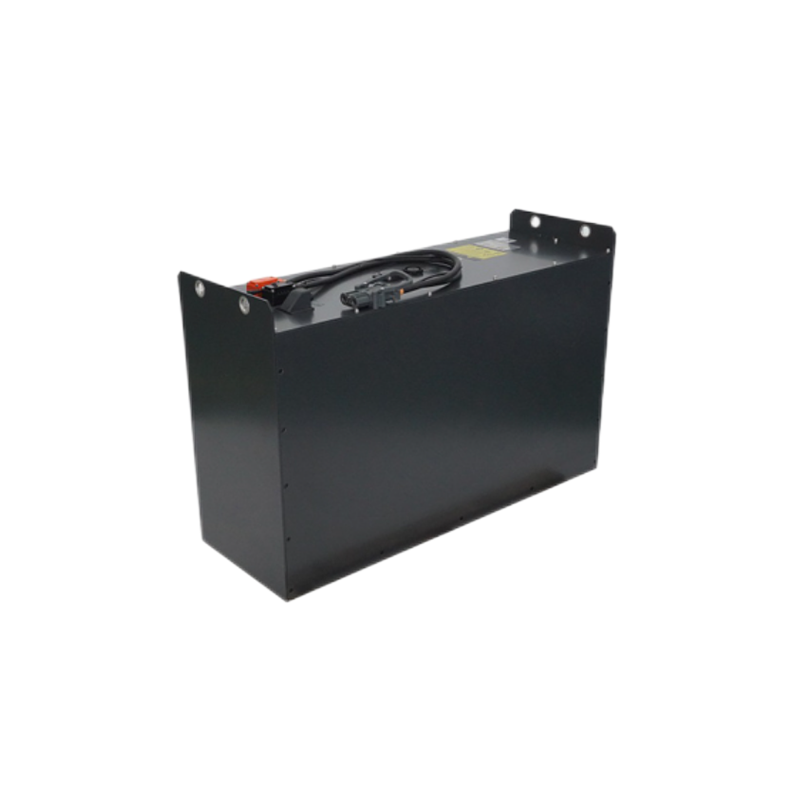
Lithium batteries are rapidly becoming the preferred power source for forklifts, largely due to their superior performance characteristics compared to traditional lead-acid batteries. One of the most significant advantages of forklift lithium batteries is their energy density. Lithium batteries provide a higher energy capacity in a smaller, lighter package, which translates into longer run times for forklifts between charges. This can lead to increased productivity, allowing businesses to operate more efficiently, especially in high-demand environments.
Another key aspect is the fast charging capability of lithium batteries. Unlike lead-acid batteries, which require extended charging times, lithium batteries can be charged to full capacity in a fraction of the time. This quick turnaround allows for opportunity charging, where forklifts can be recharged during breaks or shift changes, maximizing equipment availability and minimizing downtime.
Additionally, lithium batteries boast a much longer lifespan than their lead-acid counterparts. Typically, lithium batteries can endure thousands of charge cycles without significant degradation in performance. This longevity not only reduces the frequency of battery replacements but also leads to lower maintenance costs over time. Moreover, lithium batteries do not suffer from the memory effect, which can hinder the performance of lead-acid batteries if not fully discharged regularly.
From an environmental perspective, the adoption of forklift lithium batteries is also noteworthy. These batteries are generally more efficient and have a smaller carbon footprint compared to lead-acid batteries, which require recycling and proper disposal due to their toxic components. As industries increasingly focus on sustainability, switching to lithium batteries aligns with corporate social responsibility goals and environmental regulations.
One should also consider the integrated technology in many lithium battery systems. Advanced battery management systems (BMS) monitor parameters such as charge levels, temperature, and health status, ensuring optimal performance and safety. These systems provide real-time data that can help in predictive maintenance and enhance the overall operational efficiency of forklifts.
In conclusion, the integration of lithium batteries into forklift operations marks a significant technological advancement in the material handling sector. Their enhanced energy efficiency, rapid charging capabilities, extended lifespan, and reduced environmental impact are driving their adoption across various industries. As businesses continue to seek ways to increase productivity and reduce costs, forklift lithium batteries stand out as a modern solution that effectively meets these demands.
Another key aspect is the fast charging capability of lithium batteries. Unlike lead-acid batteries, which require extended charging times, lithium batteries can be charged to full capacity in a fraction of the time. This quick turnaround allows for opportunity charging, where forklifts can be recharged during breaks or shift changes, maximizing equipment availability and minimizing downtime.
Additionally, lithium batteries boast a much longer lifespan than their lead-acid counterparts. Typically, lithium batteries can endure thousands of charge cycles without significant degradation in performance. This longevity not only reduces the frequency of battery replacements but also leads to lower maintenance costs over time. Moreover, lithium batteries do not suffer from the memory effect, which can hinder the performance of lead-acid batteries if not fully discharged regularly.
From an environmental perspective, the adoption of forklift lithium batteries is also noteworthy. These batteries are generally more efficient and have a smaller carbon footprint compared to lead-acid batteries, which require recycling and proper disposal due to their toxic components. As industries increasingly focus on sustainability, switching to lithium batteries aligns with corporate social responsibility goals and environmental regulations.
One should also consider the integrated technology in many lithium battery systems. Advanced battery management systems (BMS) monitor parameters such as charge levels, temperature, and health status, ensuring optimal performance and safety. These systems provide real-time data that can help in predictive maintenance and enhance the overall operational efficiency of forklifts.
In conclusion, the integration of lithium batteries into forklift operations marks a significant technological advancement in the material handling sector. Their enhanced energy efficiency, rapid charging capabilities, extended lifespan, and reduced environmental impact are driving their adoption across various industries. As businesses continue to seek ways to increase productivity and reduce costs, forklift lithium batteries stand out as a modern solution that effectively meets these demands.
Key words:


Online consultation

Free consultation
All rights reserved©UNIQUE
Business License
Power by:www.300.cn | SEO | Privacy Policy