Welcome to UNIQUE!
The Future of Energy: Comprehensive Insights into 15kWh ESS All-In-One Systems
The Future of Energy: Comprehensive Insights into 15kWh ESS All-In-One Systems
Table of Contents
1. Introduction to 15kWh Energy Storage Systems
2. What is an Energy Storage System (ESS)?
3. Components of 15kWh ESS All-In-One Systems
3.1 Batteries
3.2 Inverters
3.3 Management Systems
4. Benefits of 15kWh ESS All-In-One Systems
5. Applications of 15kWh Energy
2025-08-06
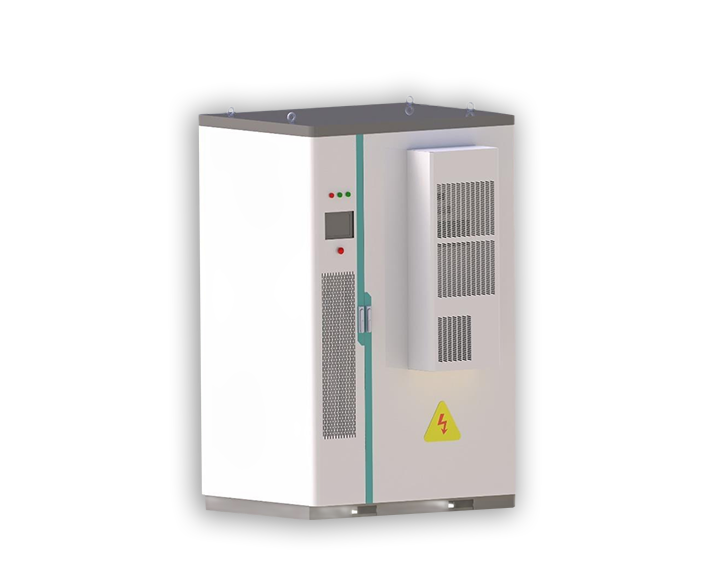
The Future of Energy: Comprehensive Insights into 15kWh ESS All-In-One Systems
Table of Contents
- 1. Introduction to 15kWh Energy Storage Systems
- 2. What is an Energy Storage System (ESS)?
- 3. Components of 15kWh ESS All-In-One Systems
- 4. Benefits of 15kWh ESS All-In-One Systems
- 5. Applications of 15kWh Energy Storage Systems
- 6. The Future of ESS Technology and Innovation
- 7. Challenges and Considerations
- 8. Frequently Asked Questions
- 9. Conclusion
1. Introduction to 15kWh Energy Storage Systems
The quest for sustainable energy solutions has gained unprecedented momentum in recent years. As the world shifts towards renewable energy sources, Energy Storage Systems (ESS) have become vital in managing energy supply and demand. Among these systems, the **15kWh ESS (All-In-One)** solutions stand out for their efficiency and versatility. These systems integrate various components into one package, helping residential and commercial users optimize energy use, reduce costs, and enhance sustainability.
2. What is an Energy Storage System (ESS)?
An Energy Storage System (ESS) is a technology that stores energy for later use. This can be in the form of electrical energy, thermal energy, or mechanical energy. The most common type of ESS utilizes batteries to store electrical energy, which can be used during peak demand times or during outages. The **15kWh ESS** specifically refers to a system capable of storing 15 kilowatt-hours of energy, making it suitable for various applications, particularly in residential solar energy setups.
3. Components of 15kWh ESS All-In-One Systems
Understanding the components of a **15kWh ESS** is crucial in appreciating its functionality and advantages. The all-in-one systems typically combine three primary components: batteries, inverters, and energy management systems.
3.1 Batteries
The battery is the heart of any energy storage system. In a **15kWh ESS**, advanced lithium-ion batteries are commonly used due to their high energy density, efficiency, and longevity. These batteries provide reliable storage, ensuring that energy generated from renewable sources can be stored and utilized effectively.
3.2 Inverters
Inverters play a critical role in converting the stored energy from DC (direct current) to AC (alternating current), which is the standard form of electricity used in homes and businesses. The **inverter** also manages the flow of energy between the battery, the grid, and connected appliances, ensuring a seamless energy supply.
3.3 Management Systems
Energy management systems (EMS) are integral to optimizing the performance of a **15kWh ESS**. These systems monitor energy production, consumption, and storage, allowing users to maximize efficiency. With real-time data and analytics, EMS helps users make informed decisions about energy usage and can even automate processes for optimal performance.
4. Benefits of 15kWh ESS All-In-One Systems
The adoption of **15kWh ESS All-In-One Systems** offers numerous benefits, including:
- **Cost Savings**: By utilizing stored energy during peak hours, users can significantly reduce their energy bills.
- **Energy Independence**: These systems empower users to generate and store their renewable energy, reducing dependence on the grid.
- **Grid Stability**: They contribute to grid stability by providing backup power during outages and reducing stress on the electric grid during peak demand.
- **Environmental Impact**: ESS supports renewable energy use, helping to lower carbon footprints and promote sustainable practices.
5. Applications of 15kWh Energy Storage Systems
**15kWh Energy Storage Systems** are versatile and can be applied in various scenarios:
- **Residential Energy Storage**: Homeowners with solar panels can store excess energy for use during the night or cloudy days.
- **Commercial Use**: Businesses can manage energy costs effectively by using stored energy during high-demand periods.
- **Off-Grid Applications**: In remote areas, ESS can provide reliable power without needing extensive grid infrastructure.
- **Backup Power**: During power outages, these systems can serve as a reliable backup source, ensuring continuity of operations.
6. The Future of ESS Technology and Innovation
The future of **Energy Storage Systems** is bright as technology continues to evolve. Innovations in battery technology, such as solid-state batteries, promise to increase efficiency, reduce costs, and enhance safety. Additionally, the integration of artificial intelligence (AI) and machine learning (ML) in energy management systems will further optimize performance, adapting to users' energy consumption patterns.
Moreover, as the demand for renewable energy increases, the role of ESS in supporting grid stability will become even more crucial, leading to broader adoption across various sectors.
7. Challenges and Considerations
While the benefits of **15kWh ESS** are clear, there are also challenges to consider:
- **Initial Cost**: The upfront investment can be significant, although it often pays off in the long run.
- **Battery Lifespan**: Users should be aware of the lifespan of battery systems and plan for eventual replacements.
- **Space Requirements**: Some systems may require ample space for installation, which can be a concern in smaller properties.
8. Frequently Asked Questions
1. What is the lifespan of a 15kWh ESS battery?
Typically, lithium-ion batteries last between 10 to 15 years, depending on usage and maintenance.
2. How much can I save on my electricity bill with a 15kWh ESS?
Savings vary based on energy consumption and local electricity rates, but many users report reductions of 30% or more.
3. Can I use a 15kWh ESS without solar panels?
Yes, while they are often paired with solar systems, they can also be connected to the grid to store energy during off-peak hours.
4. What happens to my 15kWh ESS during a power outage?
In the event of an outage, most systems can automatically switch to battery power, providing uninterrupted service.
5. Are there government incentives for installing a 15kWh ESS?
Many regions offer tax credits or rebates for energy storage systems, making them more affordable for homeowners and businesses.
9. Conclusion
The **15kWh ESS All-In-One Systems** represent a significant leap forward in energy management and storage technology. With their ability to optimize energy use, provide backup power, and support renewable energy initiatives, these systems are pivotal in shaping the future of energy consumption. As technology advances and costs decrease, the adoption of these systems is expected to rise, paving the way for a more sustainable and energy-independent future.
Investing in a **15kWh ESS** not only enhances energy efficiency but also contributes to a greener planet, making it a wise choice for both current and future energy needs.
Key words:


Online consultation

Free consultation
All rights reserved©UNIQUE
Business License
Power by:www.300.cn | SEO | Privacy Policy