Welcome to UNIQUE!
The Future of Material Handling: Innovative Lithium Battery Solutions for Forklifts
The Future of Material Handling: Innovative Lithium Battery Solutions for Forklifts
Table of Contents
1. Introduction to Lithium Battery Solutions
2. Benefits of Lithium Battery Technology in Forklifts
3. Applications of Lithium Batteries in Material Handling
4. Comparing Lithium Batteries to Traditional Lead-Acid Batteries
5. Charging Technologies and Techniques for Lithium F
2025-07-31
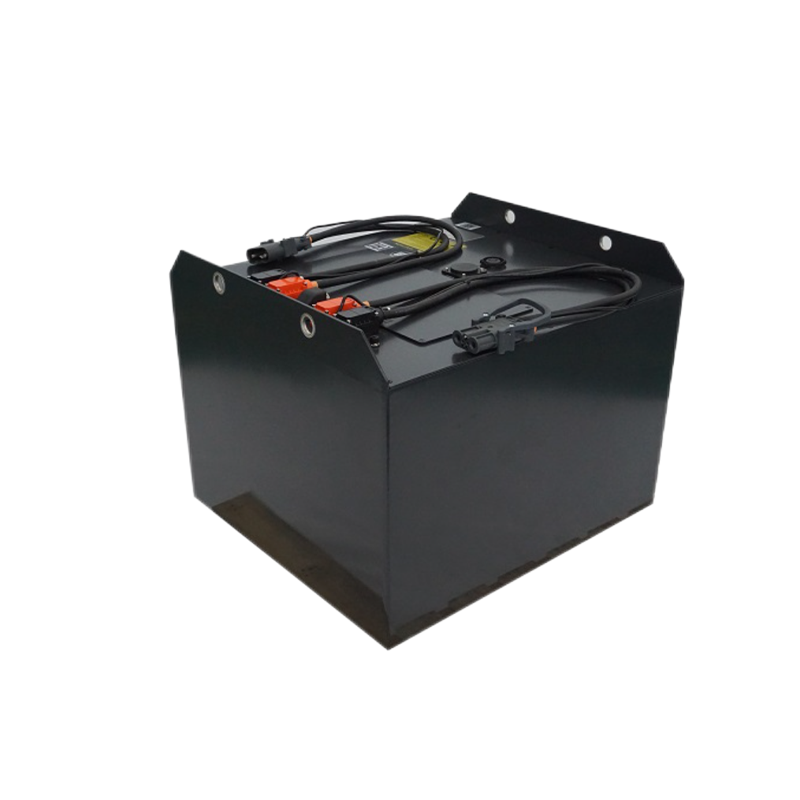
The Future of Material Handling: Innovative Lithium Battery Solutions for Forklifts
Table of Contents
- 1. Introduction to Lithium Battery Solutions
- 2. Benefits of Lithium Battery Technology in Forklifts
- 3. Applications of Lithium Batteries in Material Handling
- 4. Comparing Lithium Batteries to Traditional Lead-Acid Batteries
- 5. Charging Technologies and Techniques for Lithium Forklift Batteries
- 6. Future Trends in Lithium Battery Solutions for Forklifts
- 7. Challenges and Considerations for Lithium Battery Adoption
- 8. Conclusion: Embracing the Future of Material Handling
- 9. FAQs About Lithium Battery Solutions for Forklifts
1. Introduction to Lithium Battery Solutions
The material handling industry is undergoing a significant transformation, largely due to advancements in battery technology. **Lithium batteries** have emerged as a game-changer for forklifts, offering a host of benefits that traditional lead-acid batteries simply cannot match. As businesses strive for greater **efficiency**, **productivity**, and **sustainability**, understanding the potential of lithium battery solutions becomes essential.
In this article, we explore the future of material handling through the lens of lithium battery technology. We will cover the numerous advantages of lithium batteries, their applications in various settings, and how they stack up against traditional battery solutions, ultimately paving the way for a more innovative and efficient future in material handling.
2. Benefits of Lithium Battery Technology in Forklifts
Lithium battery technology offers numerous advantages for forklifts and material handling equipment. Here are some key benefits that highlight why lithium batteries are the preferred choice for many businesses:
2.1 Enhanced Efficiency
Lithium batteries provide higher energy density, which translates to longer run times and increased productivity. This efficiency allows operators to work longer without the need for frequent recharging.
2.2 Reduced Charging Times
Another significant benefit of lithium batteries is their rapid charging capabilities. Unlike lead-acid batteries that can take up to eight hours to fully charge, lithium batteries often require only one to two hours. This reduces downtime and maximizes operational efficiency.
2.3 Longer Lifespan
Lithium batteries can last significantly longer than traditional batteries. With a lifespan of up to 5,000 cycles, these batteries can outlast lead-acid batteries by several years, leading to lower replacement costs and reduced waste.
2.4 Lower Maintenance Requirements
Lithium batteries are virtually maintenance-free. They do not require the regular watering and equalization processes that lead-acid batteries need. This reduced maintenance translates into lower operational costs for businesses.
2.5 Eco-Friendly Solution
Lithium batteries are more environmentally friendly than their lead-acid counterparts. They are lighter, more efficient, and contain fewer harmful materials. This makes them an attractive option for companies looking to reduce their carbon footprint.
3. Applications of Lithium Batteries in Material Handling
The versatility of lithium battery technology allows for a wide range of applications in the material handling industry. Below are some key areas where lithium batteries are making a significant impact:
3.1 Warehousing and Distribution Centers
In warehouses, where efficiency is paramount, lithium batteries power forklifts and other material handling equipment, ensuring that operations run smoothly and quickly. Their fast charging and long life mean that equipment can be in use more often, leading to better throughput.
3.2 Retail Environments
Retailers are increasingly adopting lithium-powered forklifts for inventory management. These batteries allow for swift and efficient movement of goods, making them ideal for busy retail environments that require quick restocking.
3.3 Manufacturing Facilities
In manufacturing, the need for heavy lifting and continuous operation makes lithium batteries an excellent choice. They can power forklifts and automated guided vehicles (AGVs), optimizing production lines and reducing bottlenecks.
3.4 Cold Storage Applications
Lithium batteries perform well in cold environments, making them suitable for cold storage operations. Unlike lead-acid batteries, which often experience reduced capacity in low temperatures, lithium batteries maintain their performance, ensuring reliability in challenging conditions.
3.5 E-commerce and Last-Mile Delivery
The rise of e-commerce has increased the demand for efficient material handling solutions. Lithium-powered forklifts are being deployed in distribution centers to streamline operations and speed up last-mile delivery processes.
4. Comparing Lithium Batteries to Traditional Lead-Acid Batteries
Understanding the differences between lithium and lead-acid batteries is crucial for businesses considering a switch. Here, we explore the key distinctions:
4.1 Energy Density
Lithium batteries have a much higher energy density than lead-acid batteries, meaning they can store more energy in a smaller space. This compact design allows for more flexibility in equipment design and operation.
4.2 Weight
Lithium batteries are significantly lighter than lead-acid batteries. This weight reduction improves the overall efficiency of forklifts, allowing them to lift heavier loads and navigate more easily.
4.3 Cost Considerations
While the initial investment for lithium batteries may be higher, their long lifespan and lower maintenance costs often result in significant savings over time. In contrast, lead-acid batteries require regular replacement and maintenance, which can accumulate higher costs.
4.4 Performance in Extreme Conditions
Lithium batteries excel in extreme temperatures, both hot and cold, maintaining performance levels that lead-acid batteries struggle to achieve. This reliability is crucial for businesses operating in variable conditions.
4.5 Environmental Impact
Lithium batteries have a reduced environmental impact compared to lead-acid batteries. They are more efficient and have fewer hazardous materials, aligning with the sustainability goals of modern businesses.
5. Charging Technologies and Techniques for Lithium Forklift Batteries
Effective charging practices are essential for maximizing the benefits of lithium batteries. Below are some key charging technologies and techniques that enhance their performance:
5.1 Smart Charging Systems
Smart charging systems optimize the charging process by adjusting power levels based on the battery's state of charge (SOC). This leads to faster charging times and longer battery life.
5.2 Opportunity Charging
Opportunity charging allows for quick top-ups during breaks or downtime. This technique enables forklifts to remain operational for longer periods and reduces the need for extensive charging cycles.
5.3 Battery Management Systems (BMS)
A robust BMS monitors the battery's health and performance, ensuring optimal charging and discharging cycles. This system helps in extending battery life and maintaining safety throughout the operation.
6. Future Trends in Lithium Battery Solutions for Forklifts
As technology continues to evolve, several trends are emerging that will shape the future of lithium battery solutions for forklifts:
6.1 Increased Adoption of Automation
With the rise of automated material handling systems, lithium batteries will play a crucial role in powering AGVs and robotic forklifts, enhancing efficiency and reducing labor costs.
6.2 Technological Advancements in Battery Chemistry
Ongoing research into new battery chemistries promises to further enhance the performance and safety of lithium batteries. Innovations such as solid-state batteries could revolutionize the industry.
6.3 Integration with Renewable Energy Sources
The growing focus on sustainability will lead to increased integration of lithium batteries with solar and wind energy solutions, reducing reliance on traditional power sources and lowering operational costs.
6.4 Focus on Recycling and Sustainability
As the demand for lithium batteries increases, so does the emphasis on recycling and sustainable practices. The development of recycling technologies will ensure that lithium batteries have a minimal environmental impact.
6.5 Customization for Specific Industries
The future will likely see more tailored lithium battery solutions designed for specific industries, optimizing performance based on unique operational needs, whether in cold storage, manufacturing, or retail.
7. Challenges and Considerations for Lithium Battery Adoption
While lithium batteries offer numerous benefits, some challenges must be addressed for widespread adoption:
7.1 Initial Cost
The higher upfront cost of lithium batteries can be a barrier for some businesses. However, it's crucial to consider the long-term savings they provide through reduced maintenance and longer lifespans.
7.2 Infrastructure Requirements
Transitioning to lithium battery solutions may require changes to existing charging infrastructure. Businesses need to assess their current setups and invest in the necessary upgrades.
7.3 Training and Education
Employees may require training to understand the operation and maintenance of lithium battery systems. Investing in education is essential for maximizing the technology's benefits.
7.4 Safety Concerns
While lithium batteries are generally safe, they do pose some risks, such as thermal runaway. Implementing proper safety protocols and monitoring systems is vital to mitigate these concerns.
7.5 Supply Chain Stability
The supply chain for lithium and its components can be volatile, potentially impacting availability and pricing. Businesses must stay informed about market trends to make informed decisions.
8. Conclusion: Embracing the Future of Material Handling
The future of material handling lies in embracing innovative lithium battery solutions for forklifts. The numerous benefits these batteries offer—enhanced efficiency, reduced charging times, longer lifespans, and lower maintenance—position them as the ideal choice for modern businesses looking to optimize their operations.
As industries continue to evolve, the integration of lithium technology with automation and renewable energy sources will further solidify their place in the material handling landscape. While challenges exist, the long-term advantages of lithium batteries far outweigh the hurdles, making them a forward-thinking investment for businesses committed to efficiency and sustainability.
9. FAQs About Lithium Battery Solutions for Forklifts
What is the lifespan of a lithium battery used in forklifts?
Lithium batteries can last up to 5,000 cycles, significantly outlasting traditional lead-acid batteries.
How does charging a lithium battery differ from charging a lead-acid battery?
Lithium batteries charge much faster and do not require equalization or watering, making the process simpler and more efficient.
Are lithium batteries more environmentally friendly than lead-acid batteries?
Yes, lithium batteries contain fewer hazardous materials and are more efficient, reducing their overall environmental impact.
What industries can benefit from lithium battery-powered forklifts?
Industries such as warehousing, retail, manufacturing, and cold storage can all benefit from the enhanced performance of lithium battery-powered forklifts.
Will switching to lithium batteries save money in the long run?
Yes, while the initial investment is higher, lower maintenance costs and longer lifespans typically result in significant savings over time.
Key words:
Next:


Online consultation

Free consultation
All rights reserved©UNIQUE
Business License
Power by:www.300.cn | SEO | Privacy Policy